Capacitor with Electrohydrodynamic Flow through Corona Discharge
Industry:
Advanced Physics / Electrohydrodynamics / Experimental Propulsion Systems
Client Type:
Research organization developing electrohydrodynamic propulsion technologies
Service Provided:
Multiphysics simulation and numerical validation
Objective:
Analyze the effect of ground electrode width on propulsion generated by an asymmetric capacitor
Engineering Method:
Coupled electrostatic, fluid dynamics and PDE Modules
Simulation Platform:
COMSOL Multiphysics
Core Focus:
Corona discharge-induced electrohydrodynamic (EHD) airflow and thrust generation
INDUSTRY
Advanced Physics / Electrohydrodynamics / Experimental Propulsion Systems
CLIENT TYPE
Research organization developing electrohydrodynamic propulsion technologies
SERVICE PROVIDED
Multiphysics simulation and numerical validation
OBJECTIVE
Analyze the effect of ground electrode width on propulsion generated by an asymmetric capacitor
ENGINEERING METHOD
Coupled electrostatic, fluid dynamics and PDE Modules
SIMULATION PLATFORM
COMSOL Multiphysics
CORE FOCUS
Corona discharge-induced electrohydrodynamic (EHD) airflow and thrust generation
Industry:
Client Type:
Research organization developing electrohydrodynamic propulsion technologies
Service Provided:
Objective:
Engineering Method:
Simulation Platform:
Core Focus:
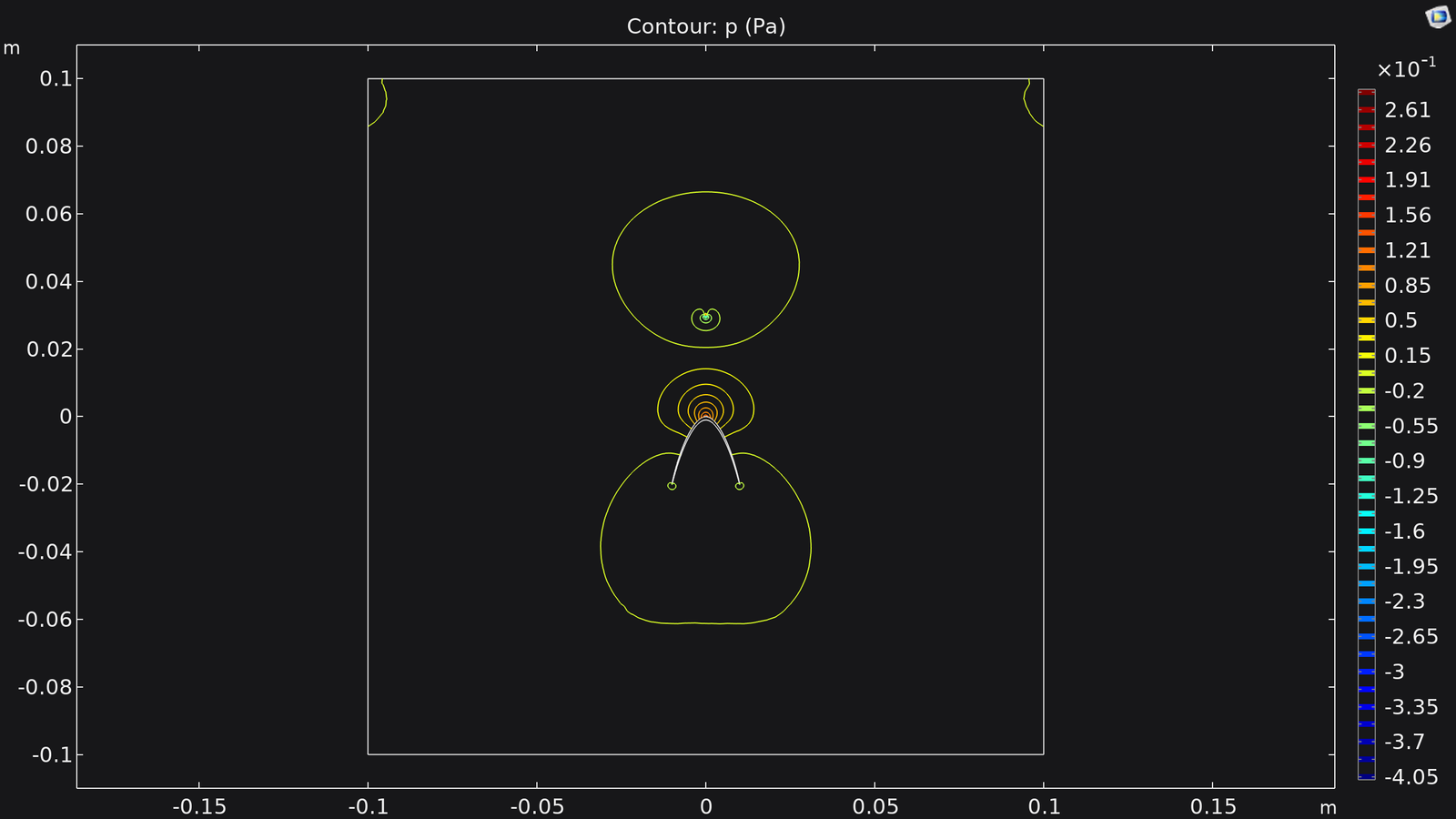
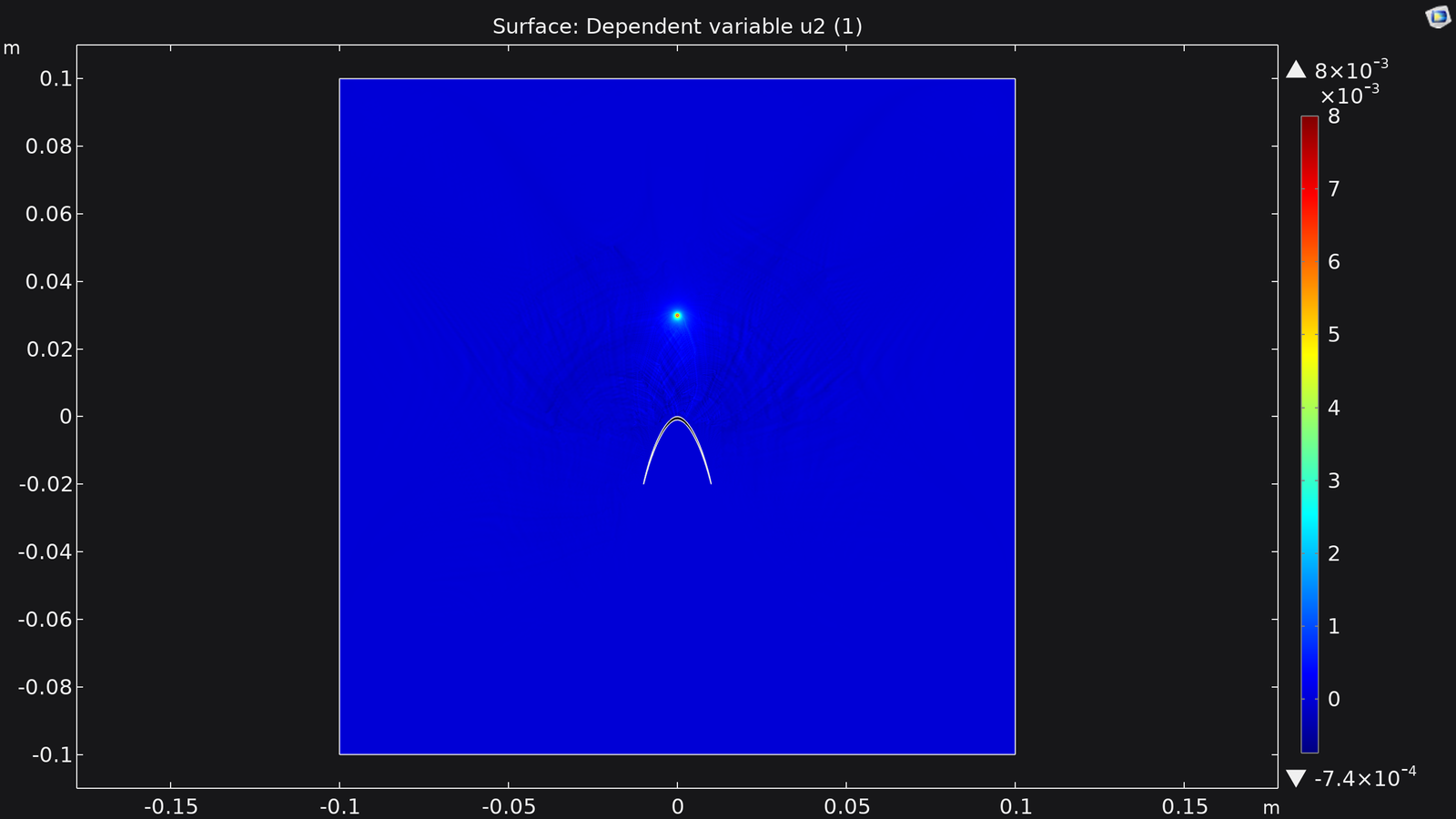
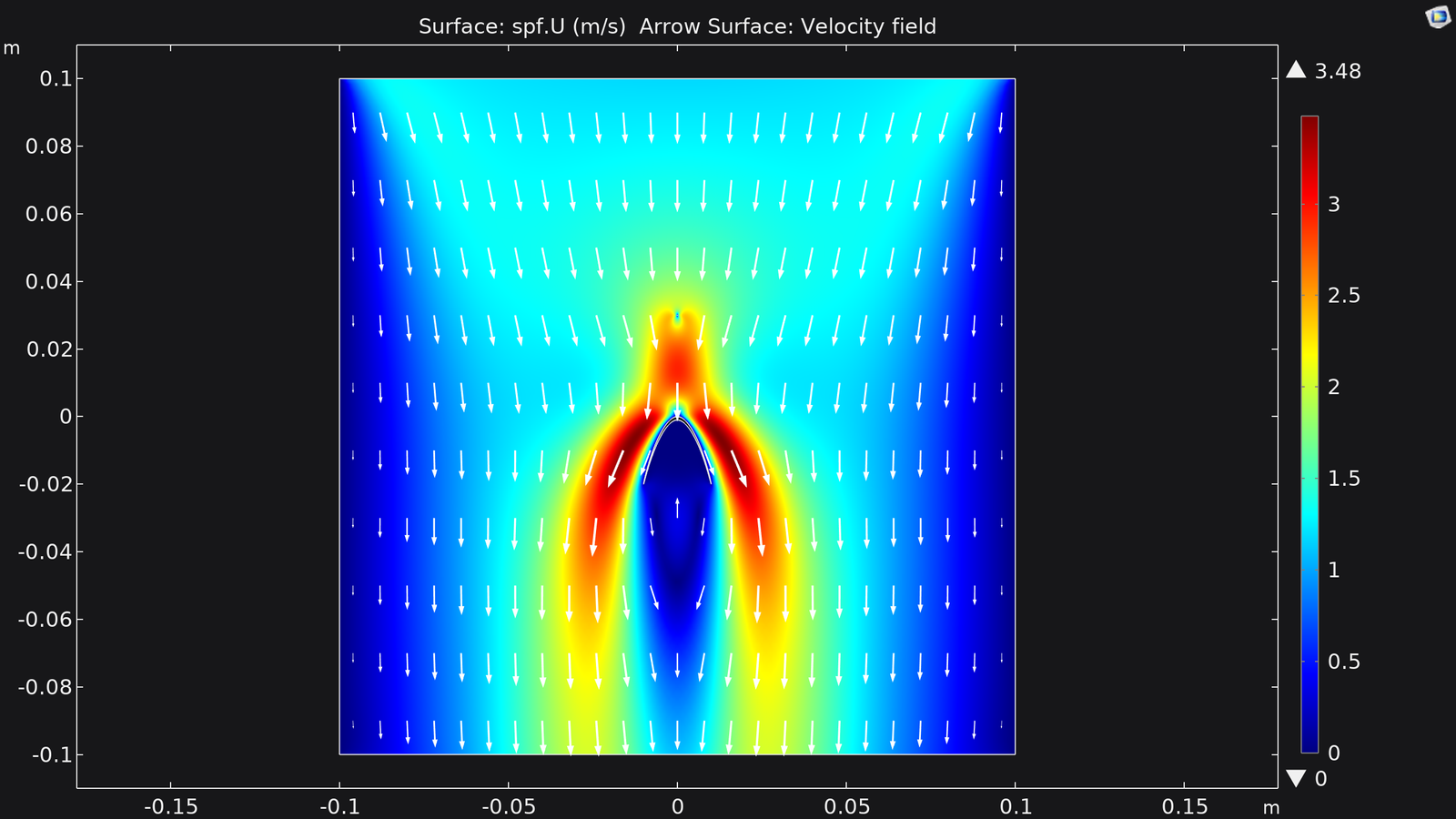
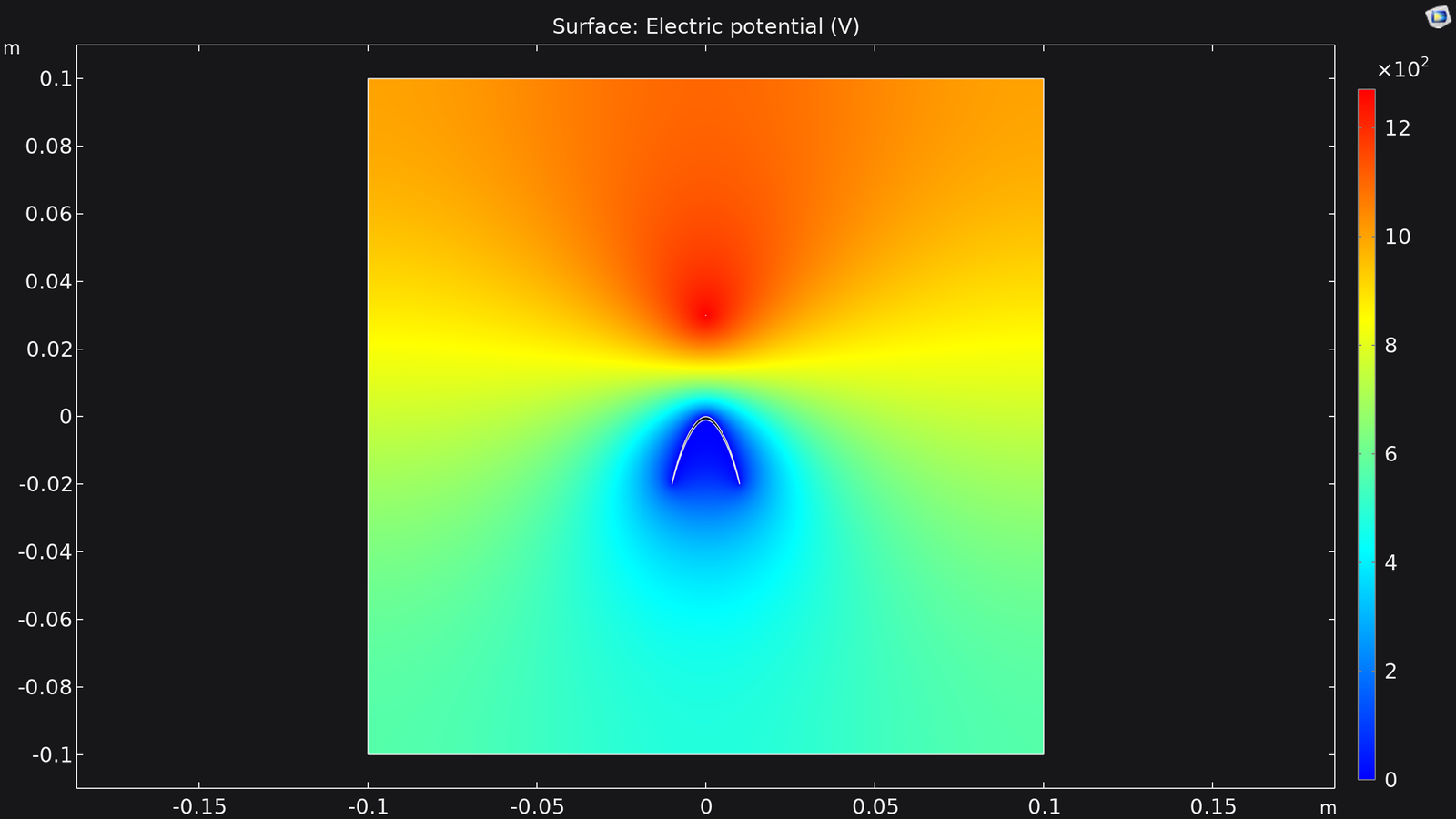
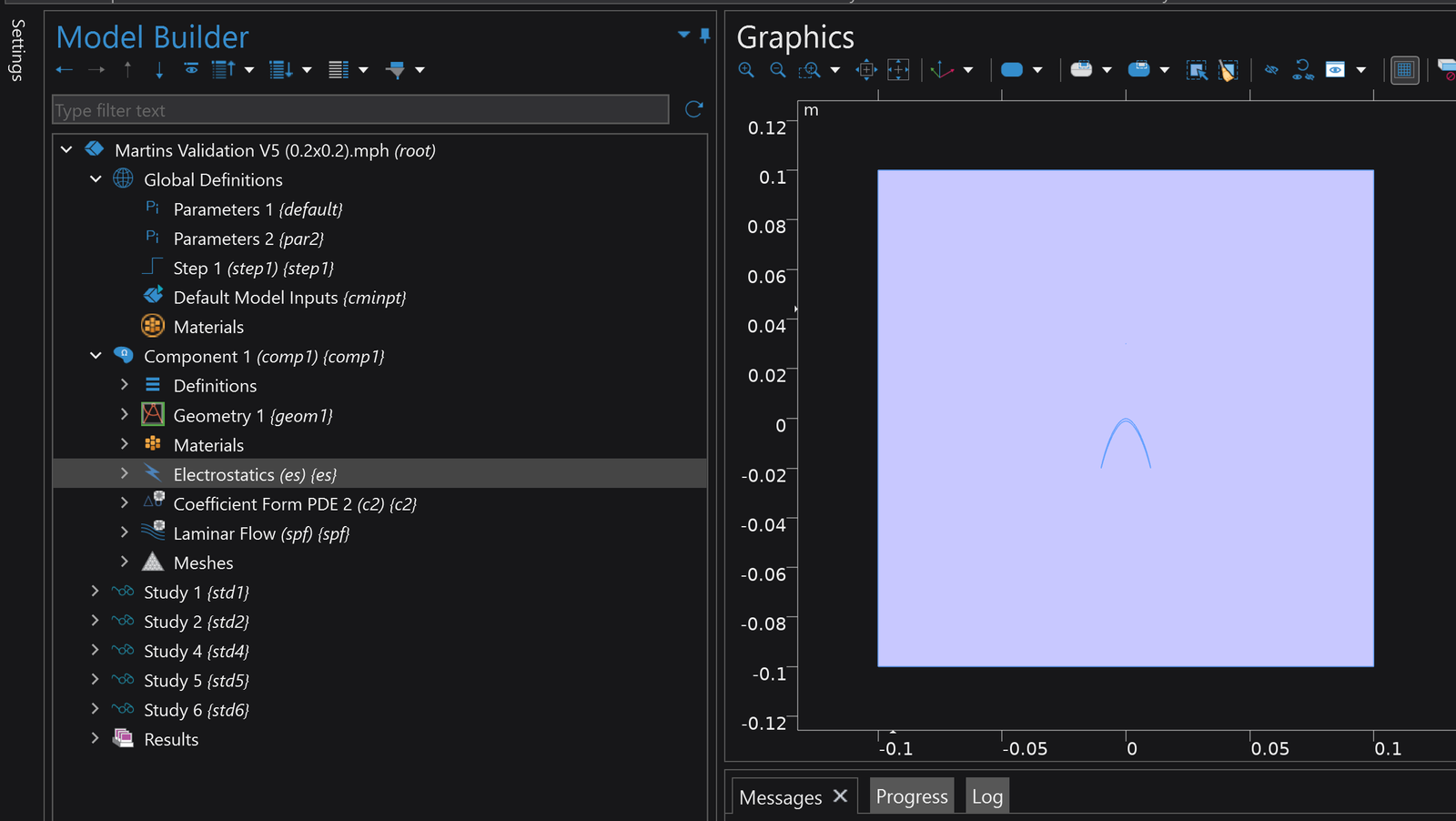
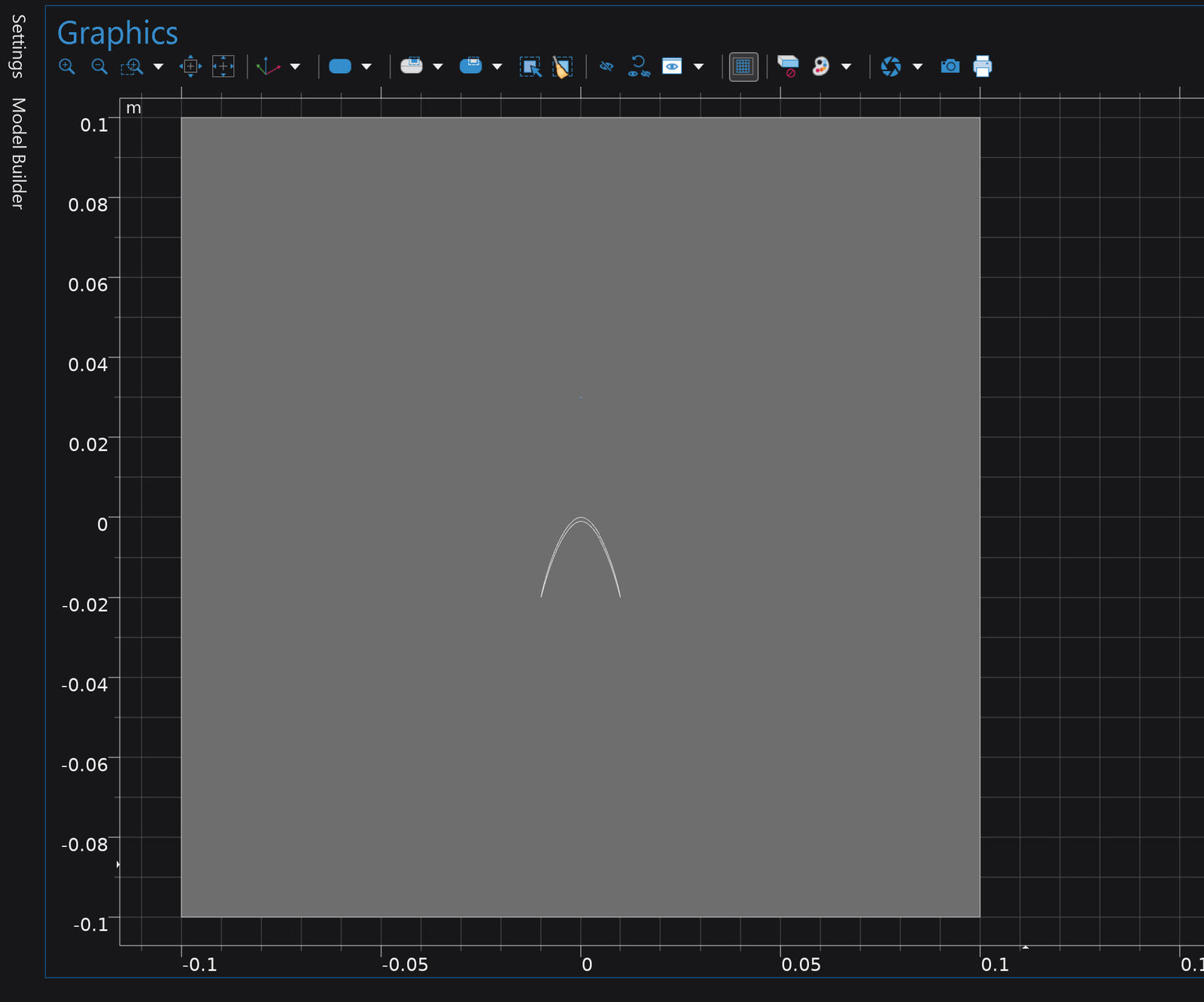
At AWJ Engineering, our team investigated the impact of ground electrode width on propulsion generated by an asymmetric capacitor, which induces electrohydrodynamic (EHD) flow via corona discharge in nitrogen gas at atmospheric pressure. Our numerical model incorporated electrostatic force interactions between electrodes and ion space clouds, momentum exchange with the induced nitrogen flow, pressure forces, and viscous drag, ensuring a comprehensive simulation of real-world dynamics.
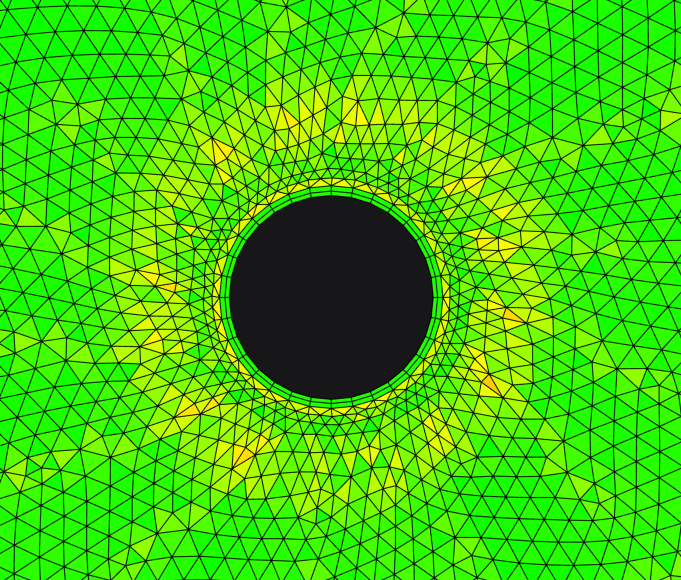
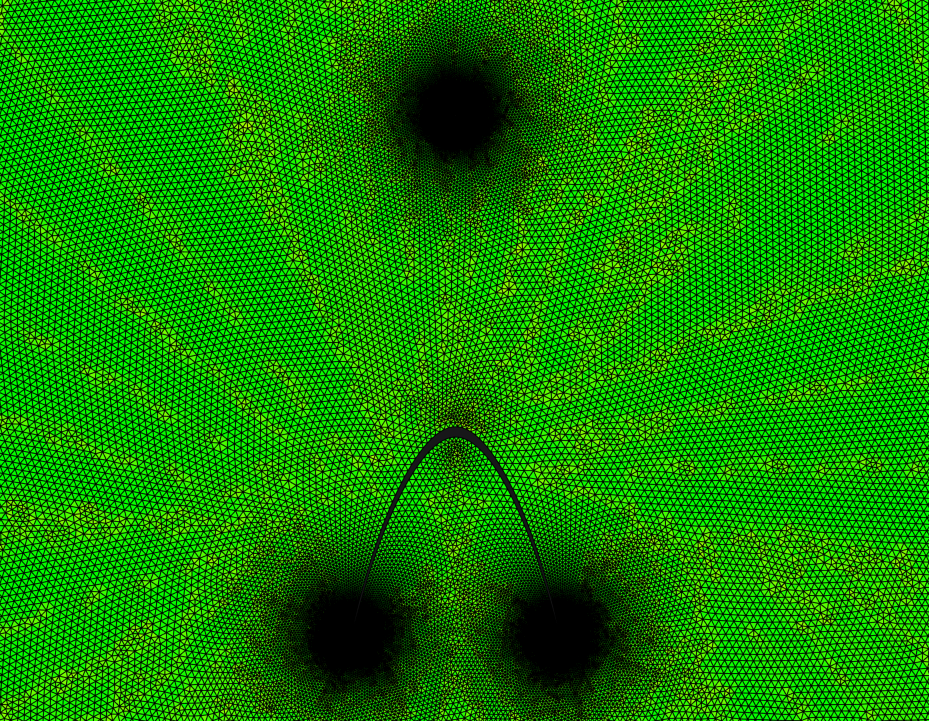
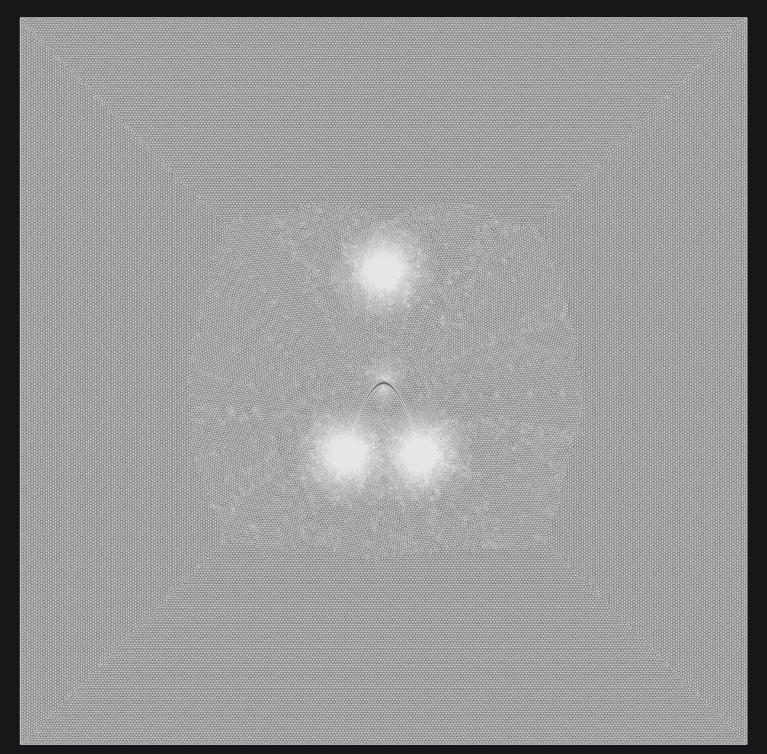
The client provided an initial model plagued by grid-dependent results. We conducted dual parametric sweeps on mesh parameters, including maximum element sizes for FEA and CFD domains, to eliminate grid dependency. By optimizing solver settings, we achieved highly accurate validation against established benchmarks (e.g., Martins’ research).
For details on the grid independence study or to discuss similar challenges, contact us today.
The Client
The client was conducting research into electrohydrodynamic (EHD) propulsion systems, an emerging technology that generates thrust by accelerating ionized air particles through electric fields. In asymmetric capacitor configurations, high-voltage corona discharge creates ion space clouds that interact with surrounding air molecules. As ions accelerate toward the ground electrode, they transfer momentum to neutral gas molecules, producing airflow commonly referred to as ionic wind. This phenomenon has promising applications in:- silent propulsion technology
- advanced airflow control systems
- experimental aerospace research
- energy-efficient cooling mechanisms
The Challenge
Electrohydrodynamic propulsion systems involve complex interactions between electric fields, ion transport, and fluid flow. Key research questions included:- how electrode geometry influences electric field distribution
- how ion space clouds interact with surrounding gas molecules
- how momentum transfer generates airflow and thrust
- how system performance changes as electrode dimensions vary
Engineering Challenge
Modeling EHD propulsion systems requires coupling multiple physical phenomena within a single computational framework. The simulation needed to simultaneously capture:- electrostatic forces between electrodes
- ion transport and charge distribution
- momentum exchange between ions and neutral gas molecules
- airflow behavior induced by ionic wind
- pressure forces and viscous drag within the gas domain
Our Approach
AWJ Engineering implemented a structured simulation and validation workflow to address the client’s modeling challenges.Model Review and Problem Diagnosis
Our team began by reviewing the client’s existing numerical model to identify the source of grid-dependent behavior. Initial analysis revealed that mesh parameters within both the finite element electrostatic domain and the computational fluid dynamics domain were contributing to inconsistent results.Multiphysics Simulation Framework
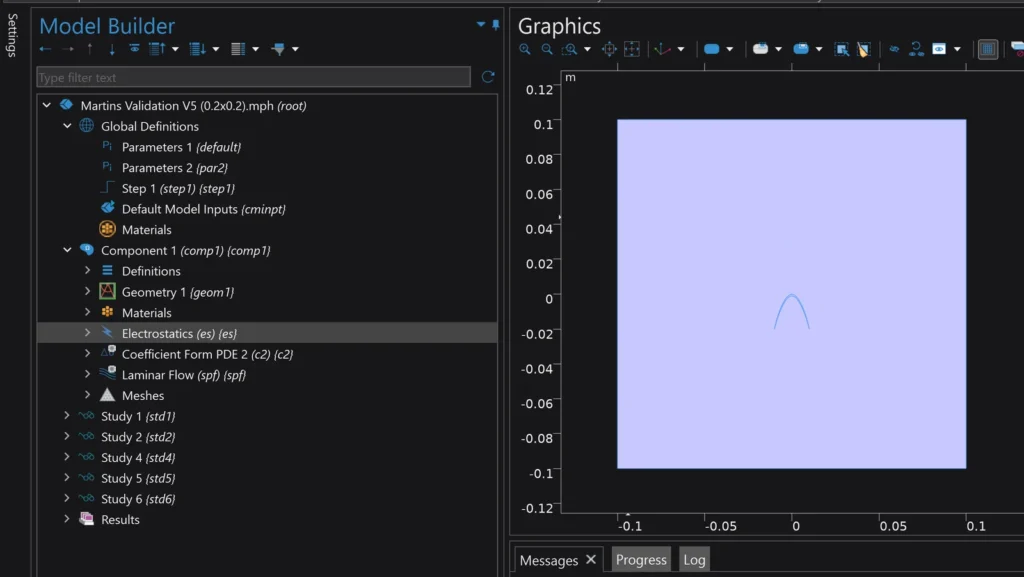
The system was modeled as a coupled Multiphysics problem involving- electrostatic interactions between electrodes
- ion space cloud dynamics
- momentum transfer between charged particles and nitrogen gas
- airflow generation driven by electrohydrodynamic forces
- electrostatic force interactions
- pressure forces within the fluid domain
- viscous drag within the nitrogen flow
Grid Independence Study
To eliminate grid dependence, our team conducted two parametric sweeps on mesh parameters. These sweeps focused on:- maximum element size within the finite element analysis (FEA) domain
- minimum element size within the finite element analysis (FEA) domain
- maximum element size within the computational fluid dynamics (CFD) domain
- minimum element size within the computational fluid dynamics (CFD) domain
Solver Optimization
Beyond mesh adjustments, we optimized solver settings to improve numerical stability and convergence across the coupled physical models. This step was essential for accurately capturing the interactions between electric fields and airflow dynamics.Model Validation
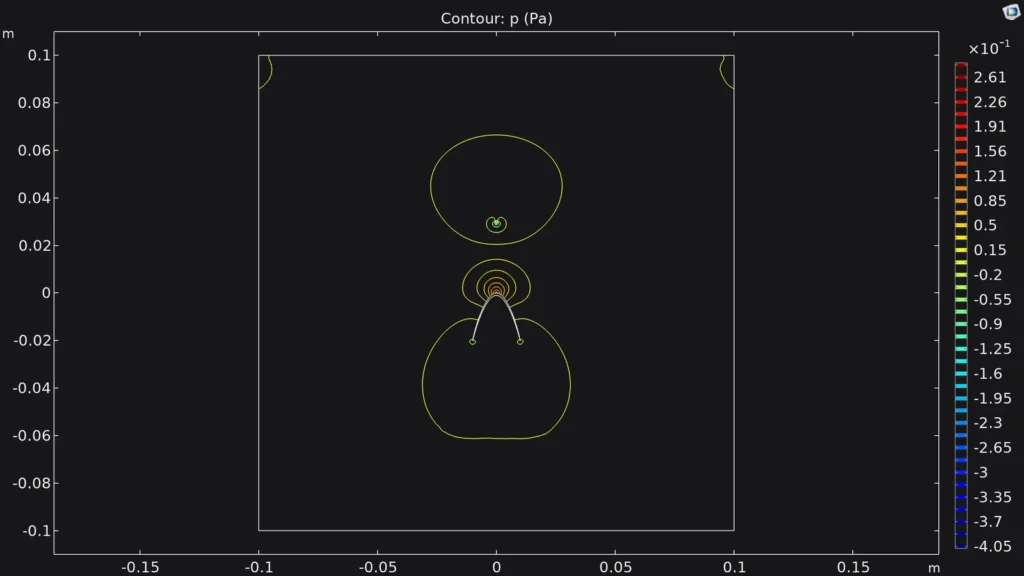
Once grid independence was achieved, the simulation results were compared against established experimental and numerical benchmarks, including research conducted by Martins and other researchers in electrohydrodynamic propulsion. This validation confirmed that the simulation framework produced reliable and physically accurate results.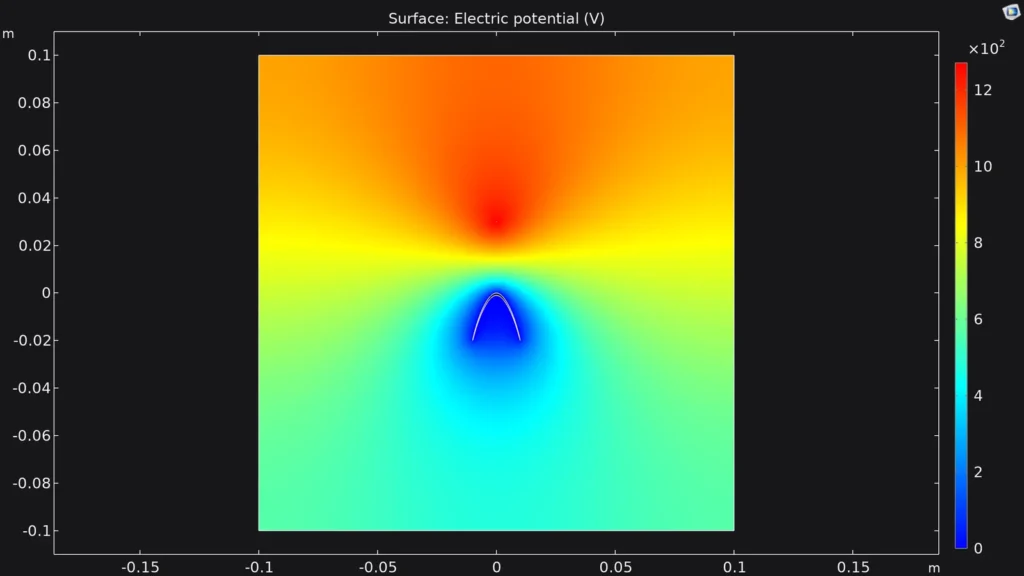
The Solution
Through careful mesh optimization and solver refinement, AWJ Engineering successfully developed a stable Multiphysics simulation of the asymmetric capacitor system.
The final model enabled detailed analysis of:
- electric field distribution across the electrodes
- ion space cloud formation and behavior
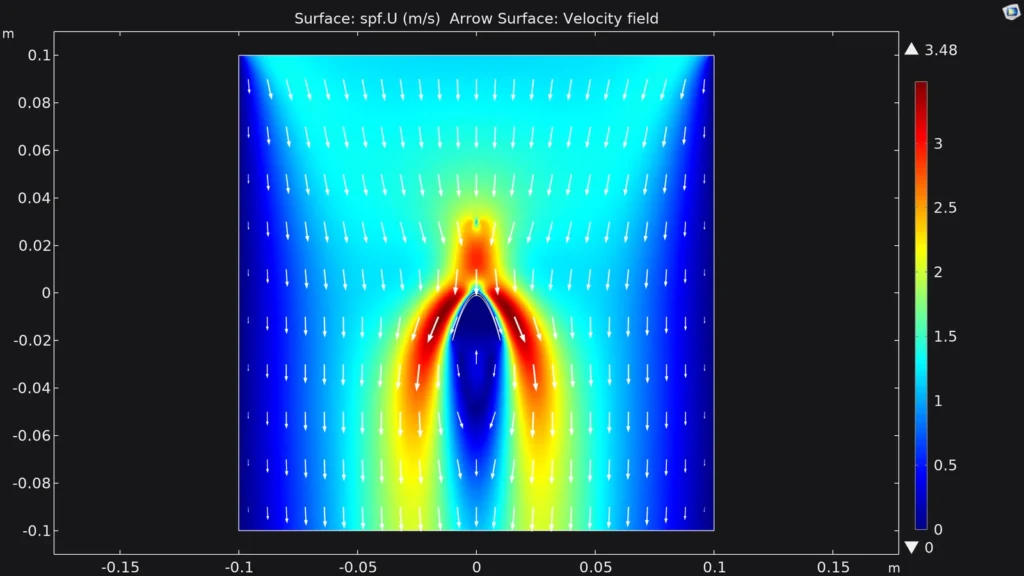
- induced airflow velocity in nitrogen gas
- thrust generation resulting from electrohydrodynamic forces
By resolving the grid dependency issues, the simulation provided the client with a reliable computational framework for studying electrode geometry effects on propulsion performance.
This framework can now be used to explore further design variations and optimize future EHD propulsion systems.
Technologies Used
Multiphysics Modeling: Electrostatic, Fluid Dynamics and PDE Module coupling
Numerical Methods: Finite Element Analysis (FEA), Computational Fluid Dynamics (CFD)
Simulation Focus: Electrohydrodynamic airflow modeling, Ion transport dynamics, Momentum exchange between ions and gas molecules
Validation Method: Benchmark comparison with established electrohydrodynamic research
Technologies Used
Multiphysics Modeling
Electrostatic, Fluid Dynamics and PDE module coupling
Numerical Methods
Finite Element Analysis (FEA) and Computational Fluid Dynamics (CFD)
Simulation Focus
Electrohydrodynamic airflow modeling, ion transport dynamics and momentum exchange
Validation Method
Benchmark comparison with established electrohydrodynamic research
Results & Business Impact
The project delivered a robust and validated simulation model capable of accurately analyzing EHD propulsion systems.
Key outcomes included:
- elimination of grid-dependent simulation behavior
- validated numerical framework for electrohydrodynamic analysis
- improved understanding of airflow generation through corona discharge
- reliable evaluation of electrode geometry effects on propulsion
- enhanced confidence in simulation-based research for EHD technologies
With this improved modeling framework, the client can now investigate new electrode configurations and propulsion concepts with greater accuracy and reduced experimental costs.
Key Takeaways
This project highlights AWJ Engineering’s expertise in advanced Multiphysics simulations involving electrostatics, fluid dynamics, and ion transport phenomena. Our engineering capabilities enable clients to:- solve complex numerical modeling challenges
- eliminate instability in simulation results
- validate experimental research through computational methods
- accelerate development of advanced physical technologies
Need Help with Multiphysics Simulation or Advanced Physics Modeling?
If your project involves complex interactions between electrical fields, fluid dynamics, or particle transport, AWJ Engineering can help you build reliable computational models that deliver actionable engineering insights.
Contact our team today to discuss your simulation challenges.
Related Projects
Hyperelastic Material Analysis of Thermoplastic Polyurethane
Evaluate deformation and stress behavior of Thermoplastic Polyurethane (TPU) under applied load.
Transient Fluid-Structure Interaction (FSI) in Collapsible Elastic Tube
Analyze how fluid flow interacts with the deformation of a thin-walled elastic tube.
Structural Integrity Analysis of Concrete - Steel Strut Joint
Validate structural stability of a concrete-steel strut joint without bolt reinforcement.
Hyperelastic Material Analysis of Thermoplastic Polyurethane
Evaluate deformation and stress behavior of Thermoplastic Polyurethane (TPU) under applied load.
Transient Fluid-Structure Interaction (FSI) in Collapsible Elastic Tube
Analyze how fluid flow interacts with the deformation of a thin-walled elastic tube.
Structural Integrity Analysis of Concrete - Steel Strut Joint
Validate structural stability of a concrete-steel strut joint without bolt reinforcement.