Structural Integrity Analysis of Concrete - Steel Strut Joint
INDUSTRY
Civil/ Structural Engineering
CLIENT TYPE
Infrastructure Project Contractor
SERVICE PROVIDED
Structural Simulation and Integrity analysis
CORE OBJECTIVE
Validate structural stability of a concrete-steel strut joint without bolt reinforcement
ENGINEERING METHOD
3D modelling and structural finite element analysis
SOFTWARE TOOLS
SolidWorks
PROJECT SCOPE
Load-bearing capacity validation and yield strength evaluation
At AWJ Engineering, our team developed a precise 3D model from the client’s technical drawings and applied specified materials to evaluate yield strengths. Bolts were omitted from the simulation at the client’s request, allowing us to assess whether the strut geometry and high-strength grout alone could secure the structure under load.
This project underscores our ability to deliver targeted structural simulations for reliable, real-world validation.
For more on boundary conditions, solver settings, or similar analyses, contact us today.
The Client
The client was engaged in a structural engineering project involving a concrete-steel strut joint designed to support high-load conditions within a larger structural system. In infrastructure and heavy structural applications, joint integrity plays a critical role in ensuring the overall safety, durability, and reliability of the structure. Even small uncertainties in joint behavior can introduce significant risks once the structure is subjected to real operational loads. The client needed a reliable engineering assessment to confirm whether the existing joint design could maintain structural integrity without relying on bolt reinforcement. This evaluation was essential before proceeding to the next stages of construction.The Challenge
The primary concern revolved around whether the combination of strut geometry and high-strength grout could adequately sustain the applied loads without additional mechanical fastening. The client needed to answer several critical questions:- Would the joint maintain structural stability without bolt reinforcement?
- Could the concrete-steel interface safely distribute load forces?
- Would the materials remain within safe yield limits under operational stress?
- Could the geometry of the strut provide sufficient load transfer?
Engineering Challenge
From an engineering standpoint, evaluating this structure required careful modeling of the interaction between different materials and structural components. Several complexities needed to be addressed:- Accurate representation of the concrete-steel interaction
- Precise modeling of load transfer across the strut joint
- Assessment of yield strength behavior under stress
- Simulation of structural response without bolt constraints
Our Approach
The AWJ Engineering team implemented a structured analysis workflow designed to deliver accurate and reliable validation results.Engineering Data Review
We began by carefully reviewing the technical drawings and design specifications provided by the client. This ensured that the computational model would faithfully represent the intended structural configuration.
High-Fidelity 3D Modeling
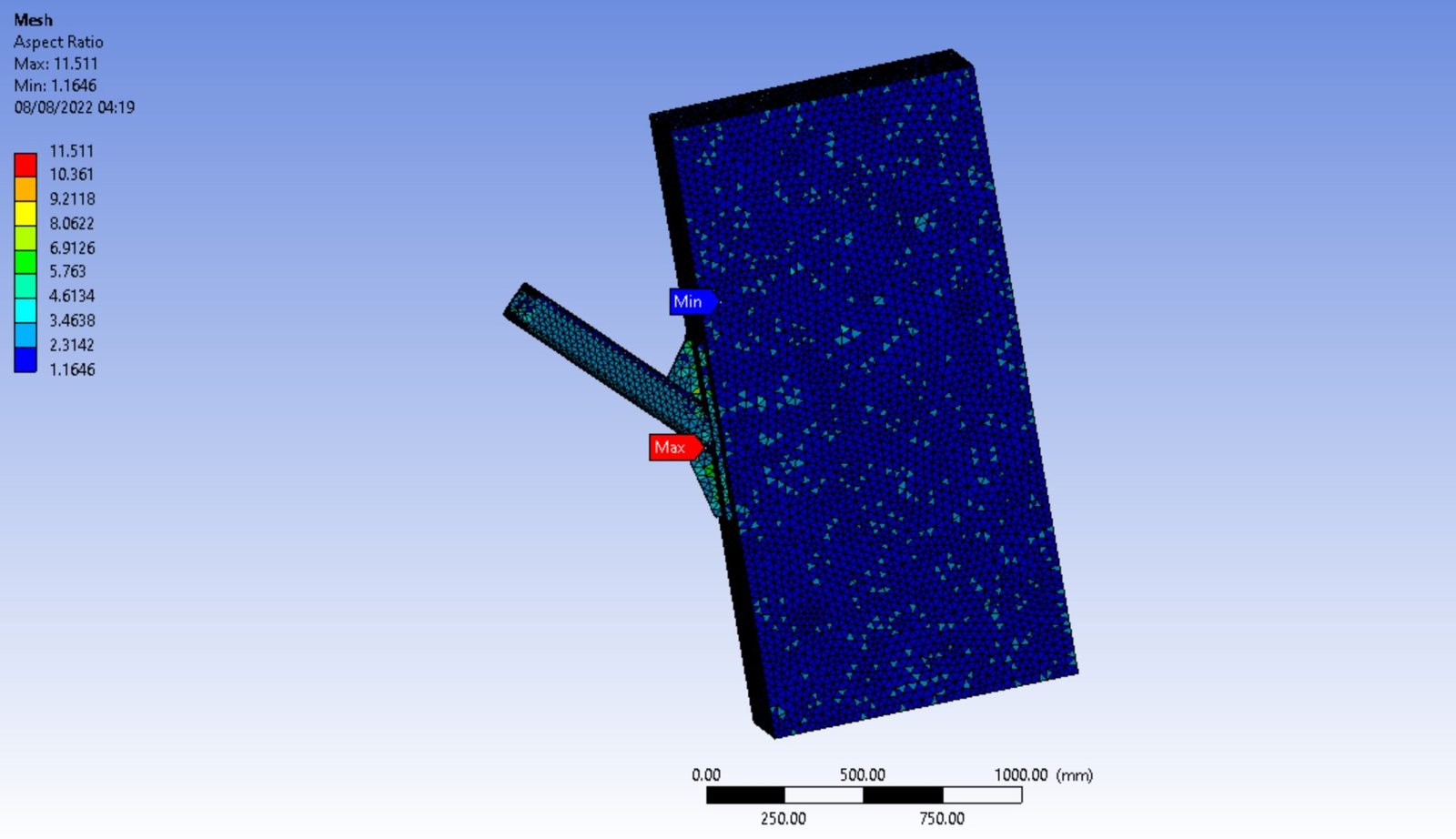
Using the provided design documentation, our engineers developed a precise 3D structural model of the concrete-steel strut joint.
This model served as the foundation for further simulation and stress analysis.
Material Property Assignment
The relevant material properties and yield strengths were applied according to the specifications outlined in the engineering documentation.
These included:
- Structural steel properties
- Concrete behavior
- High-strength grout characteristics
Simulation Setup
To align with the client’s requirements, the bolt elements were intentionally excluded from the analysis model.
This allowed the simulation to isolate the effects of:
- strut geometry
- grout strength
- load distribution
Structural Load Evaluation
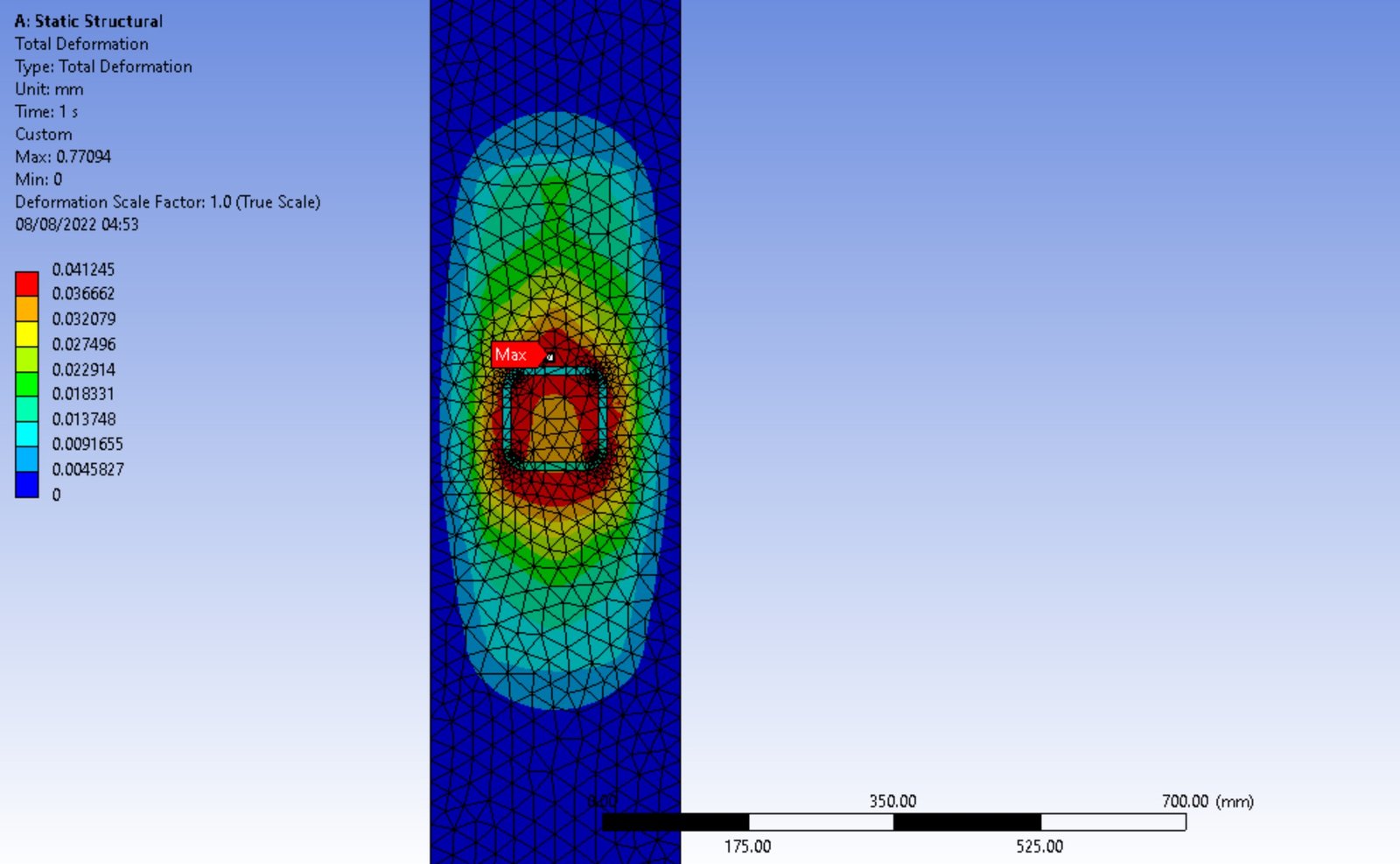
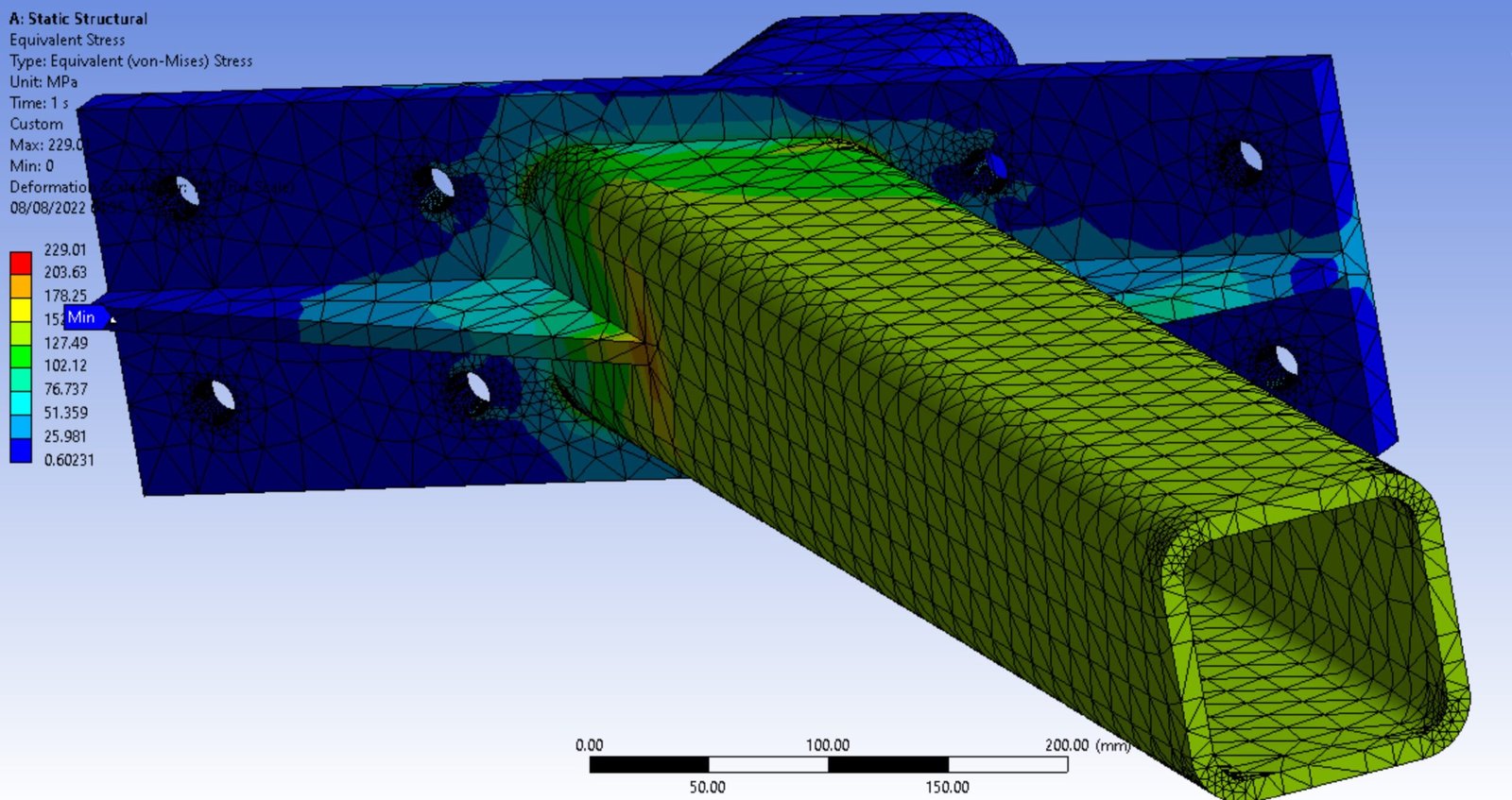
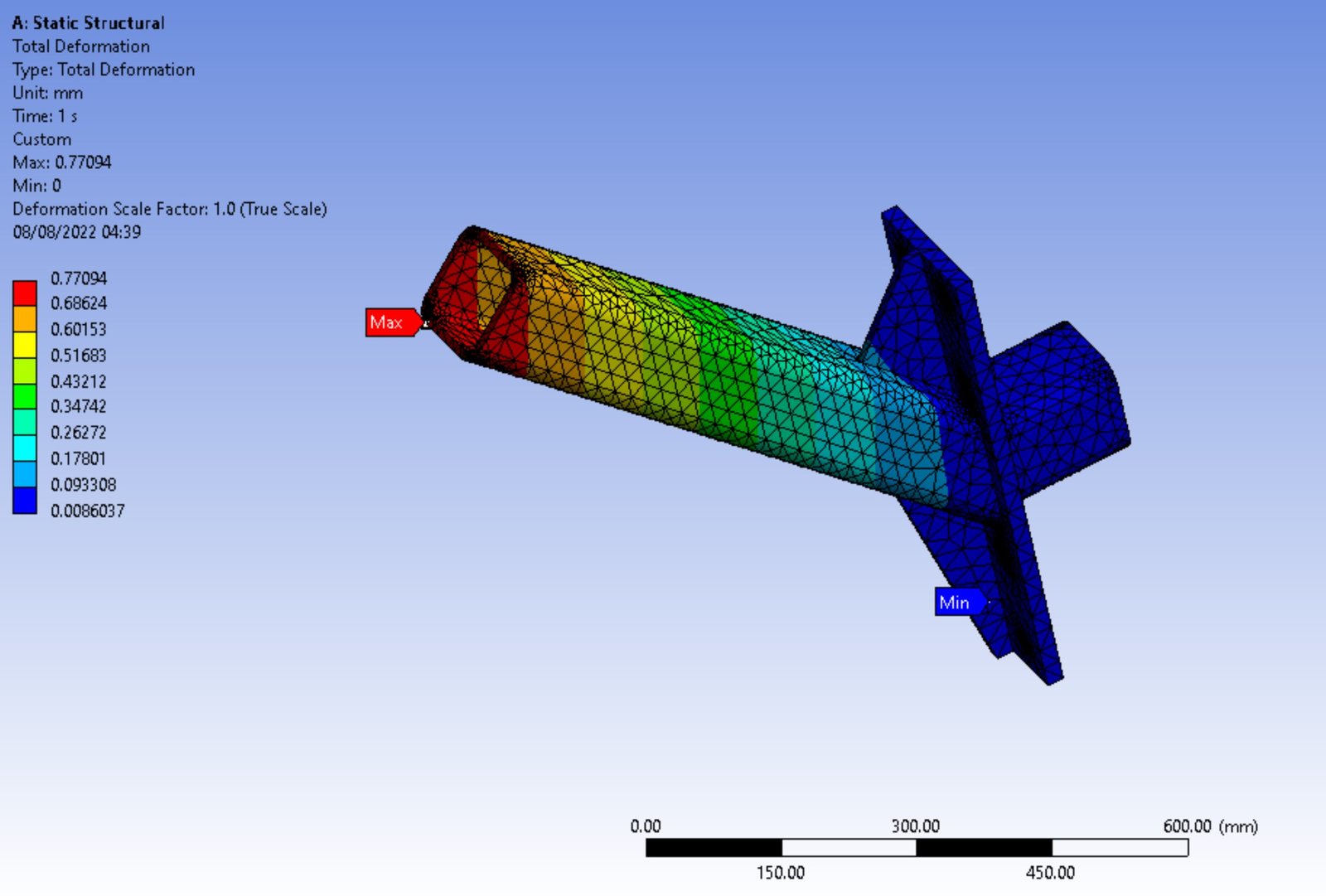
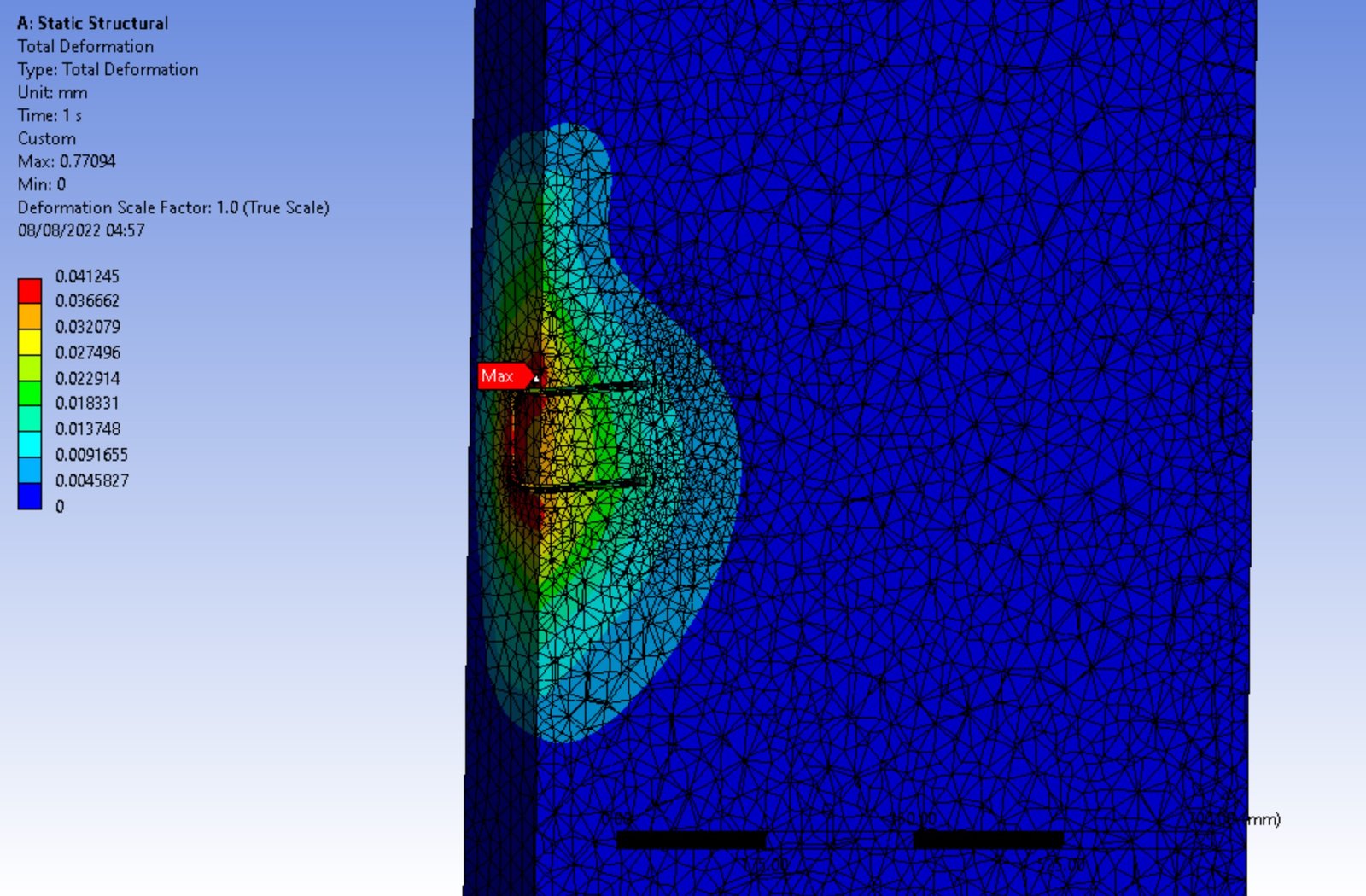
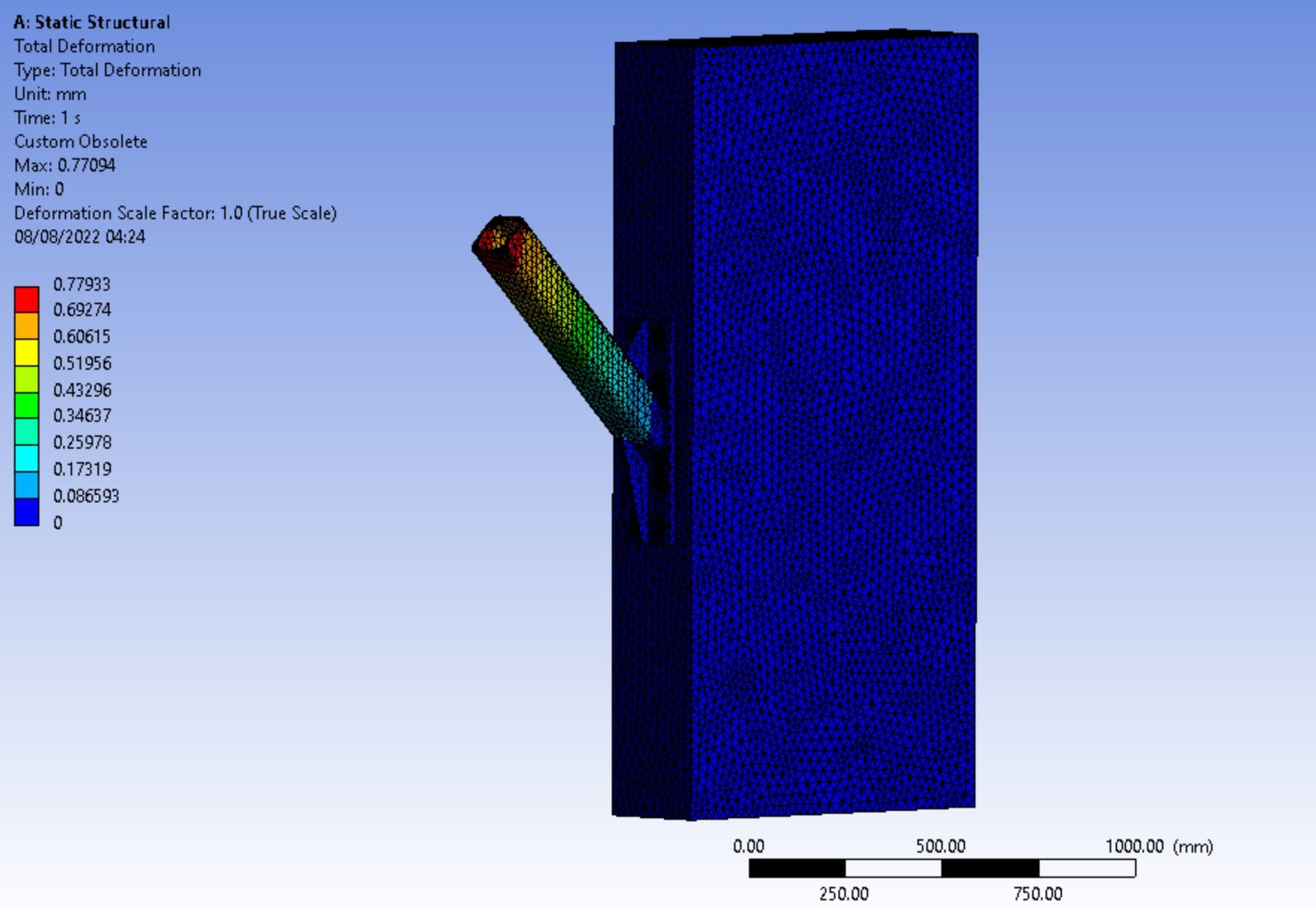
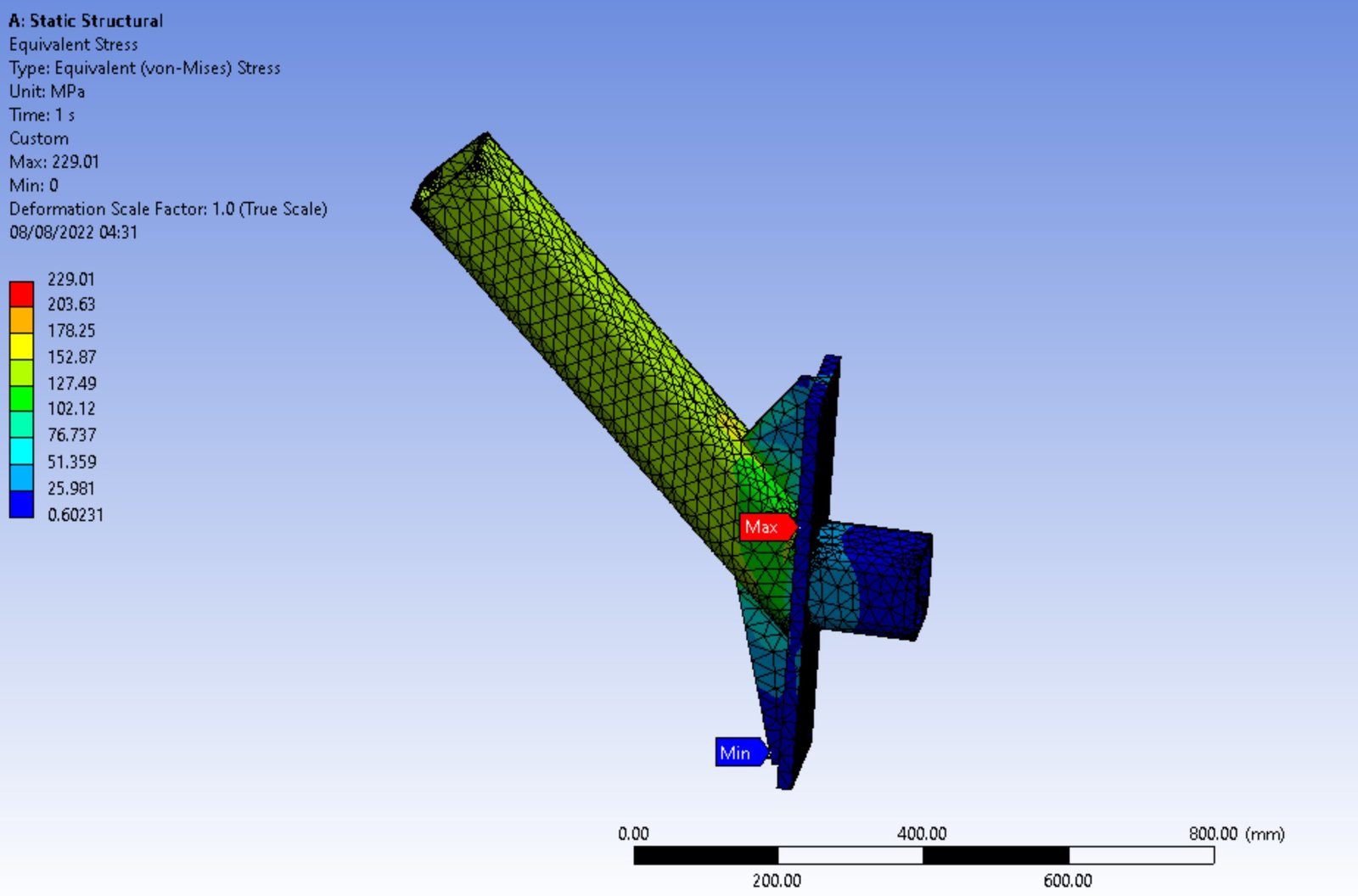
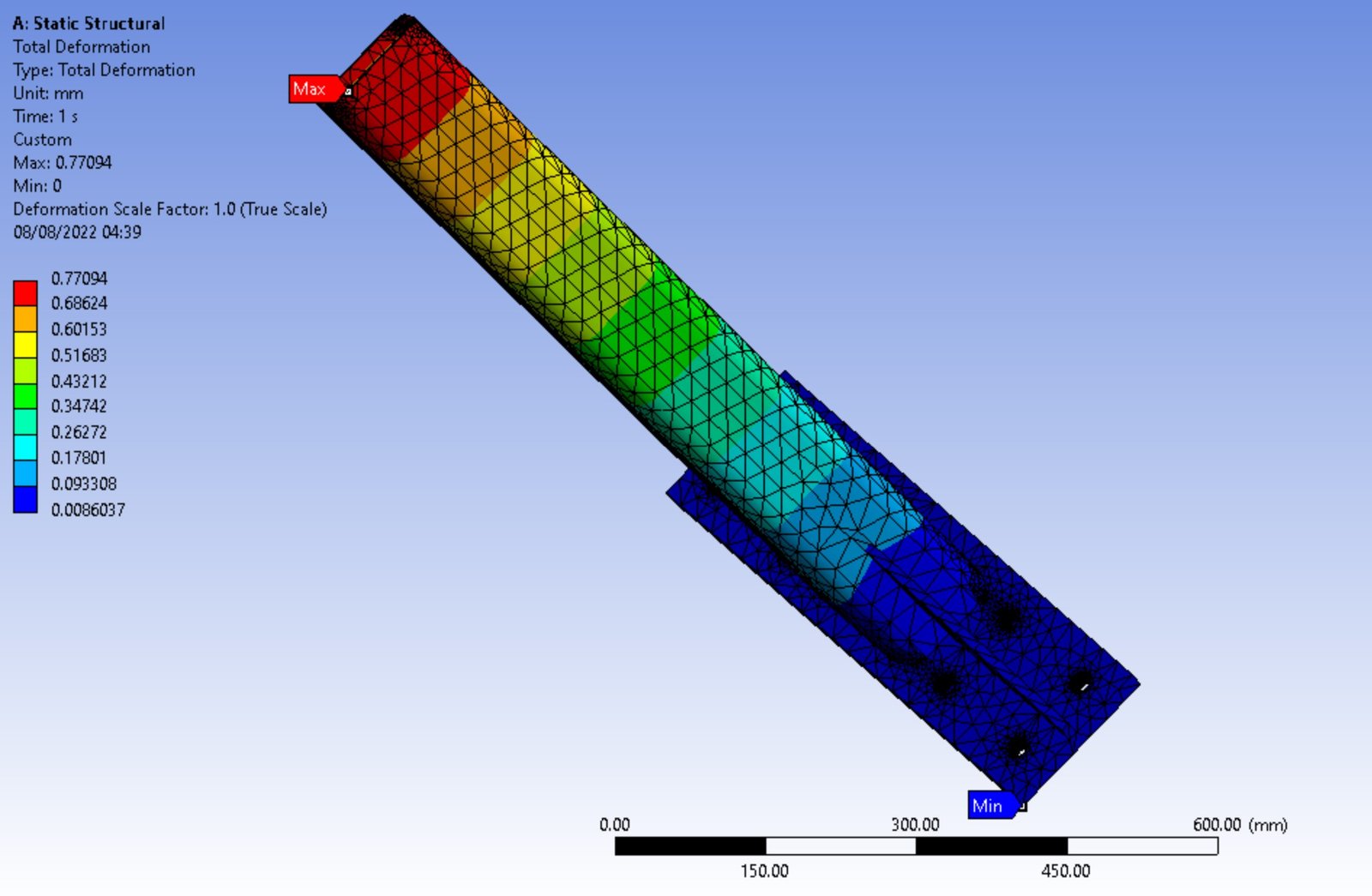
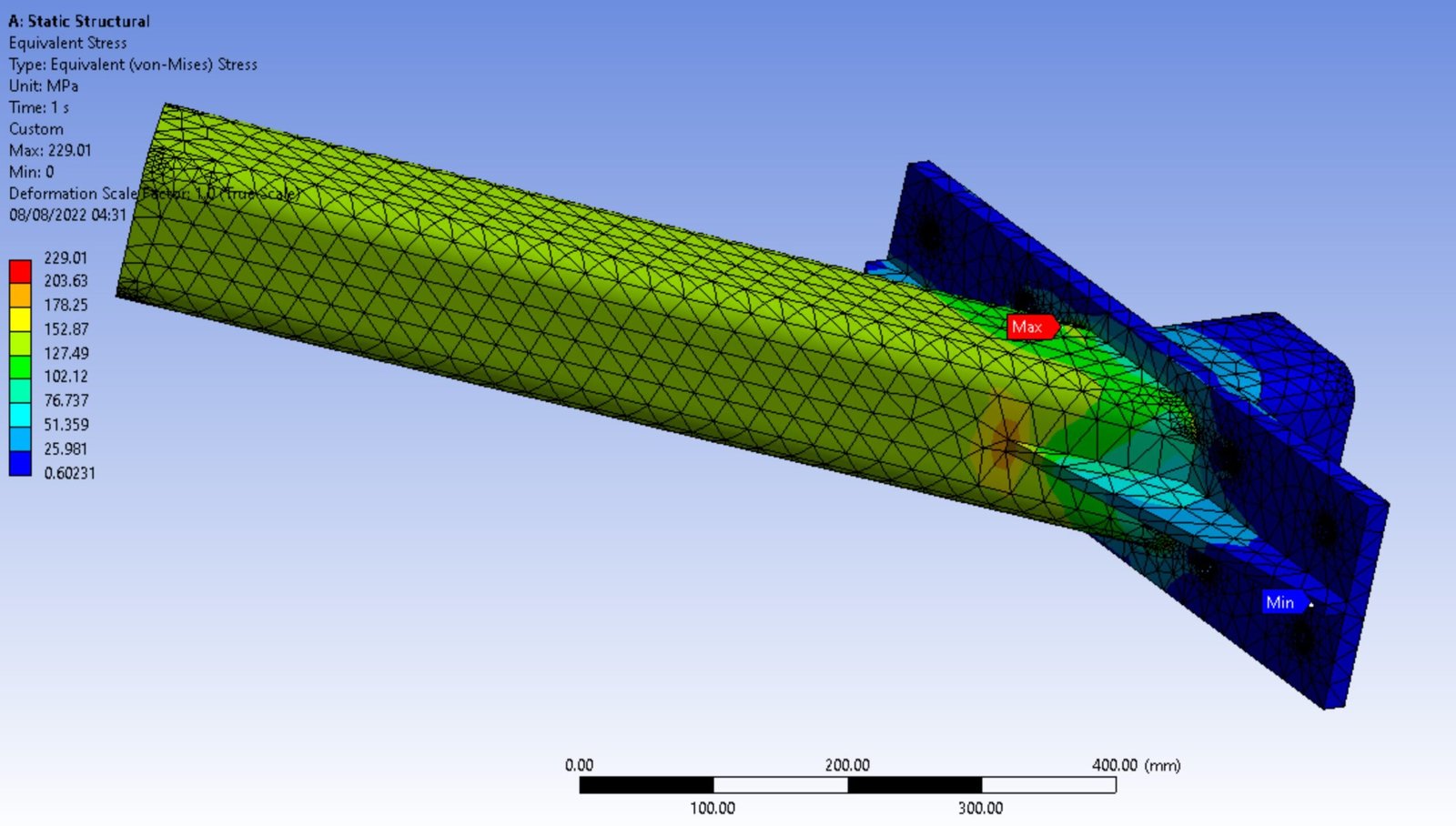
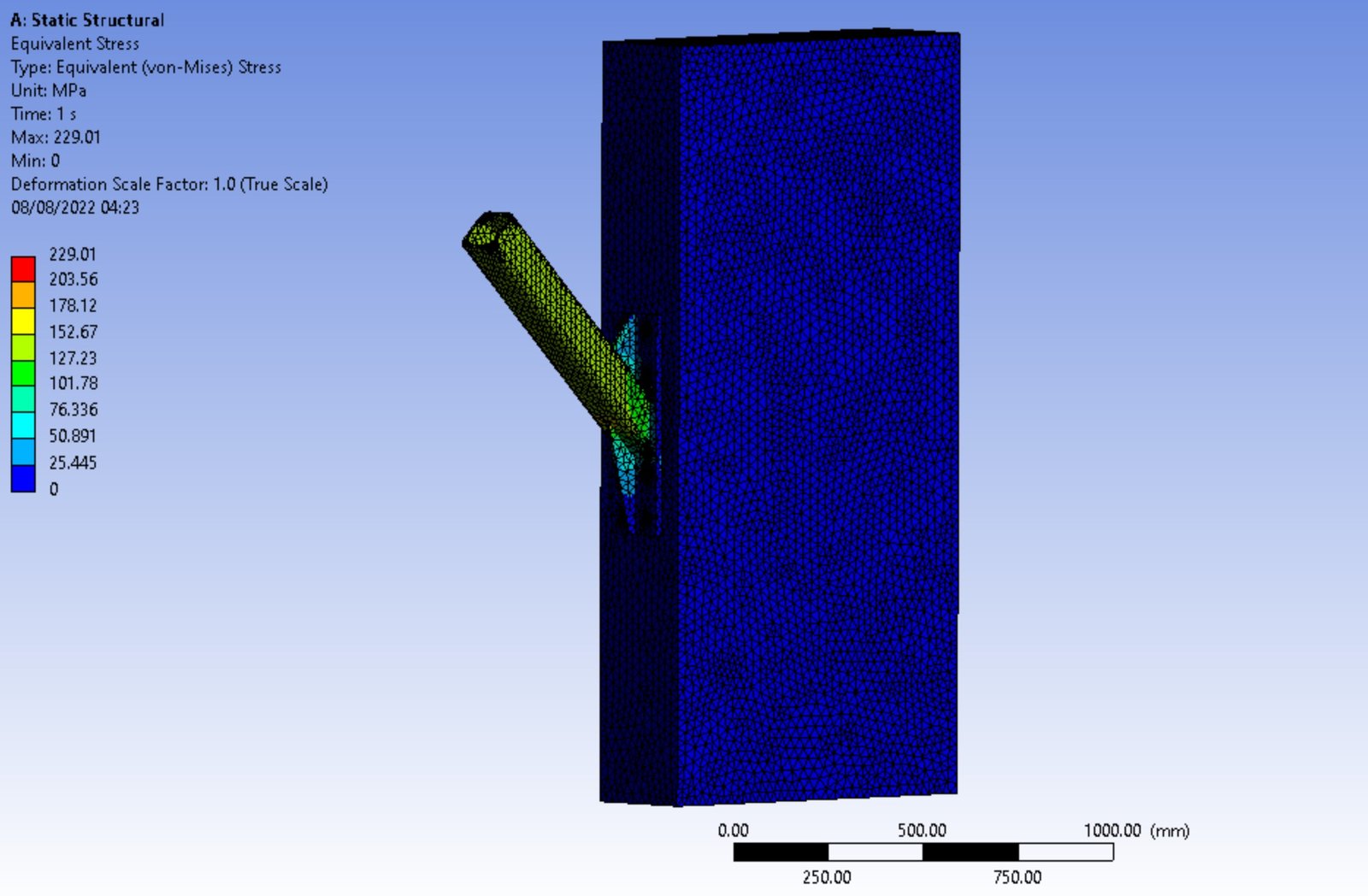
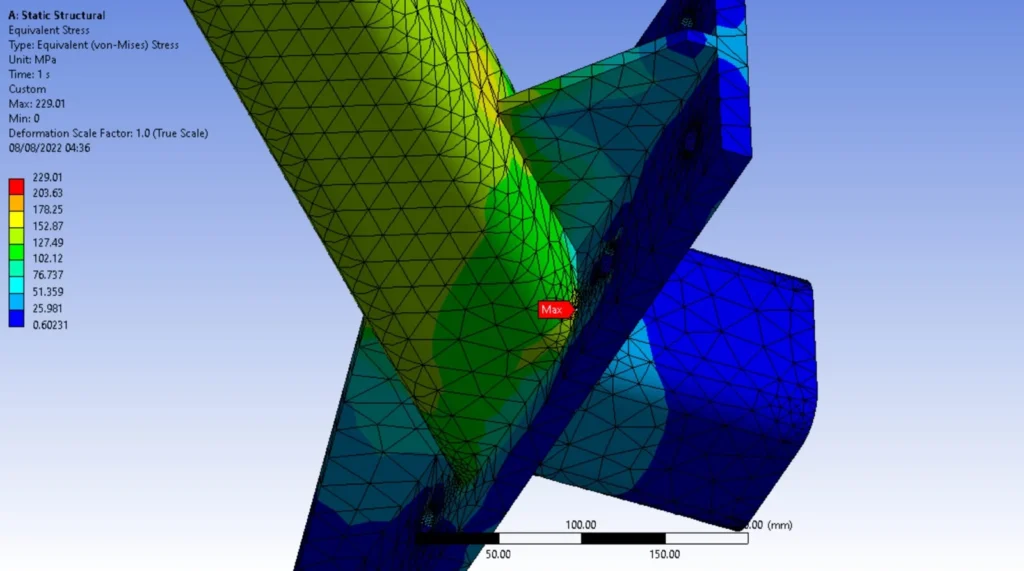
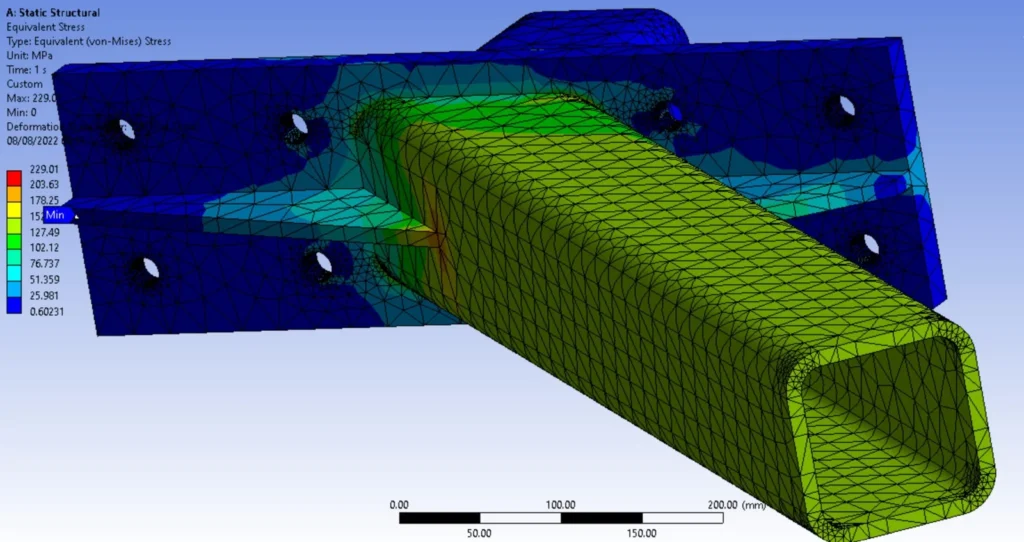
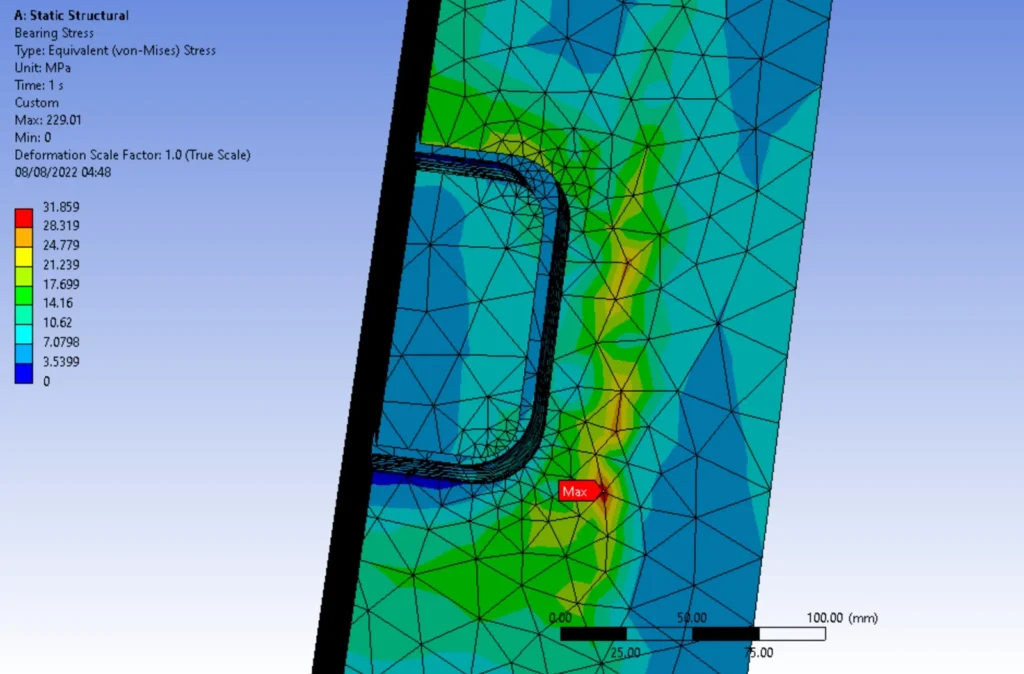
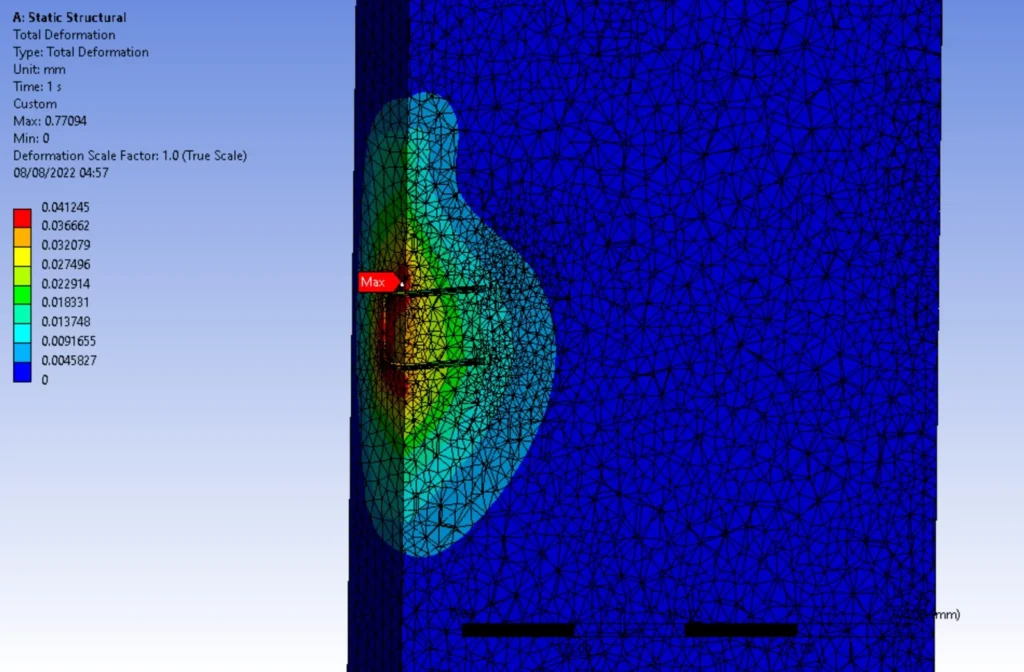
Load conditions were applied to simulate the expected operational forces acting on the joint. The system’s response was then evaluated through structural analysis to identify:
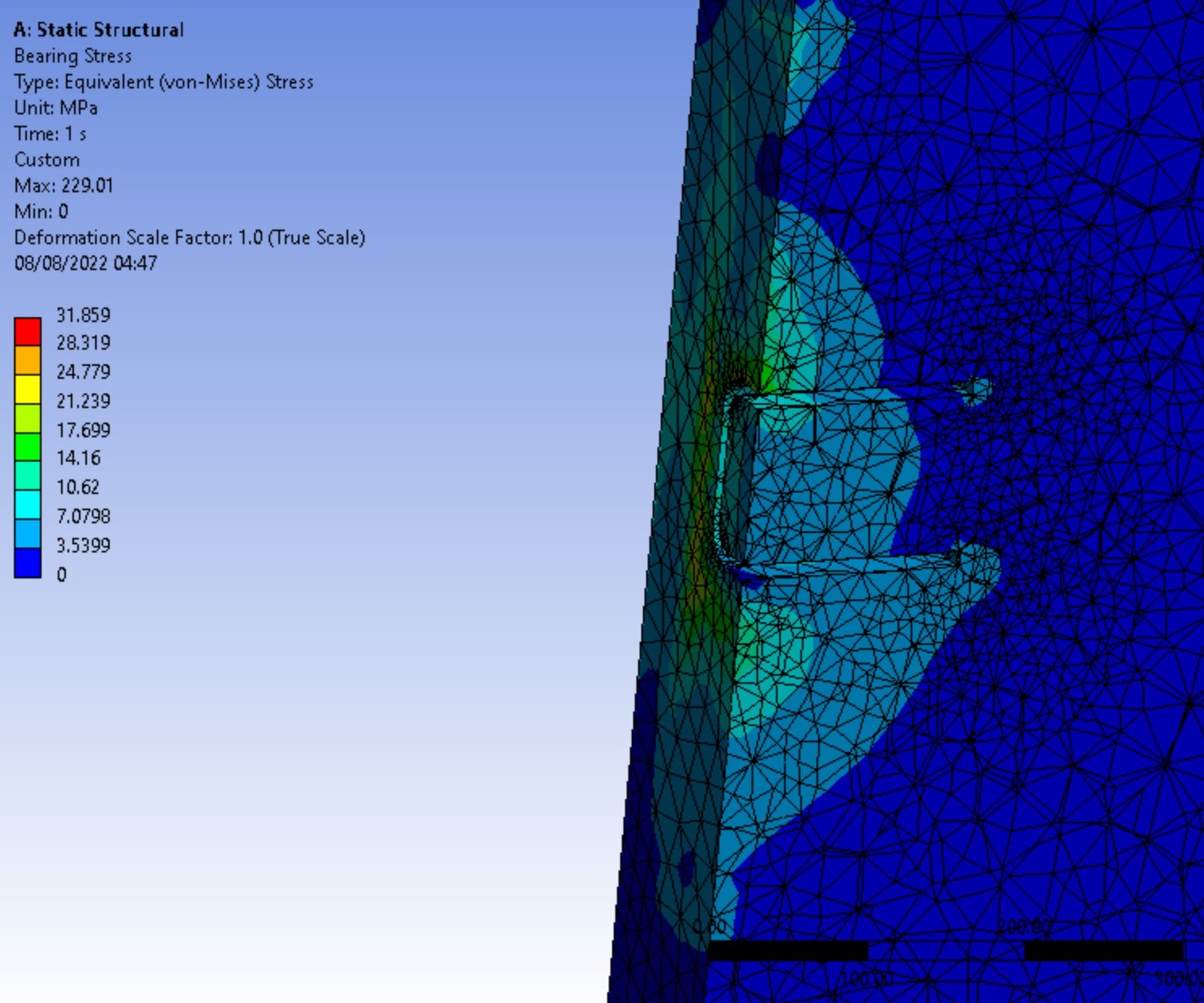
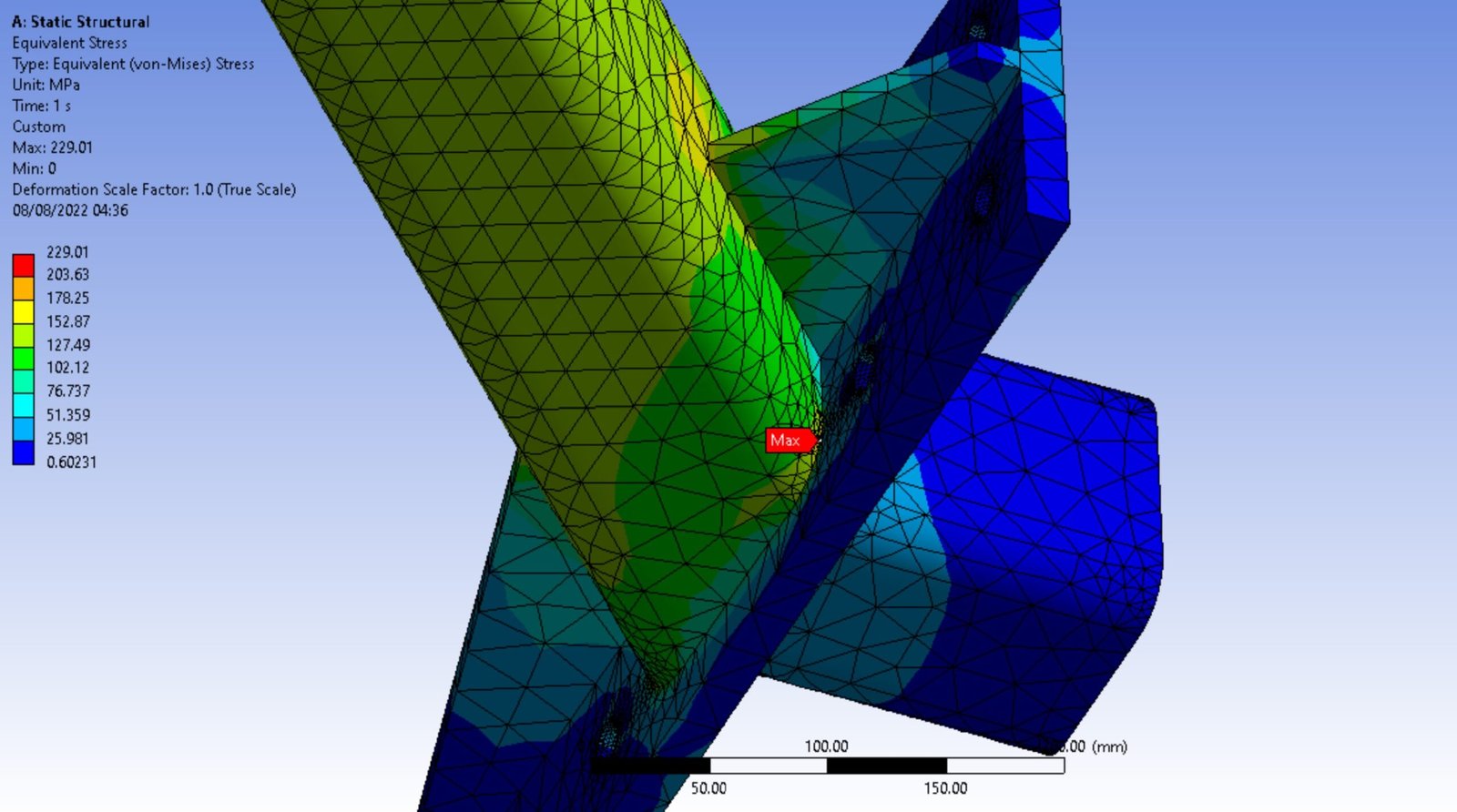
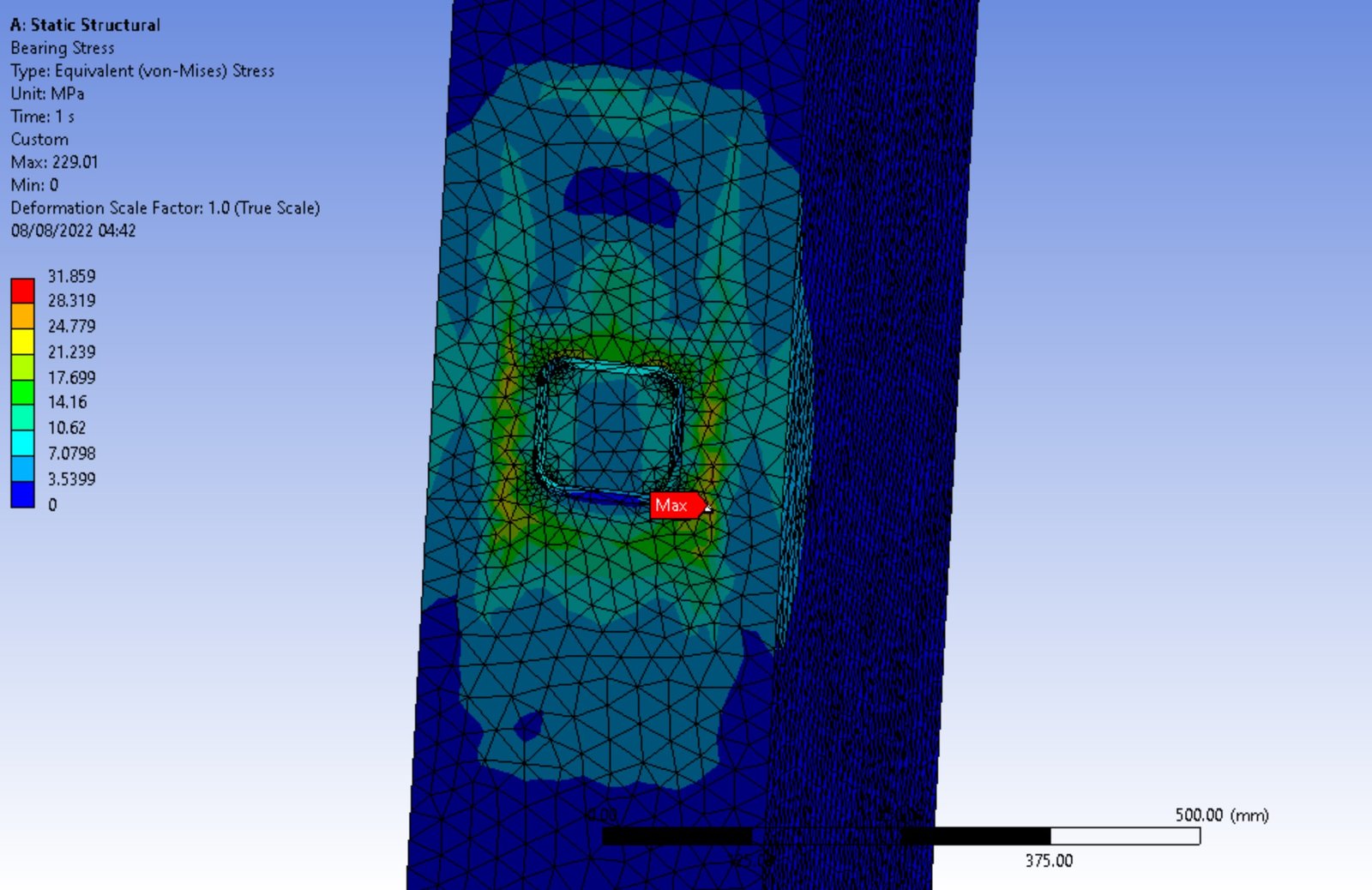
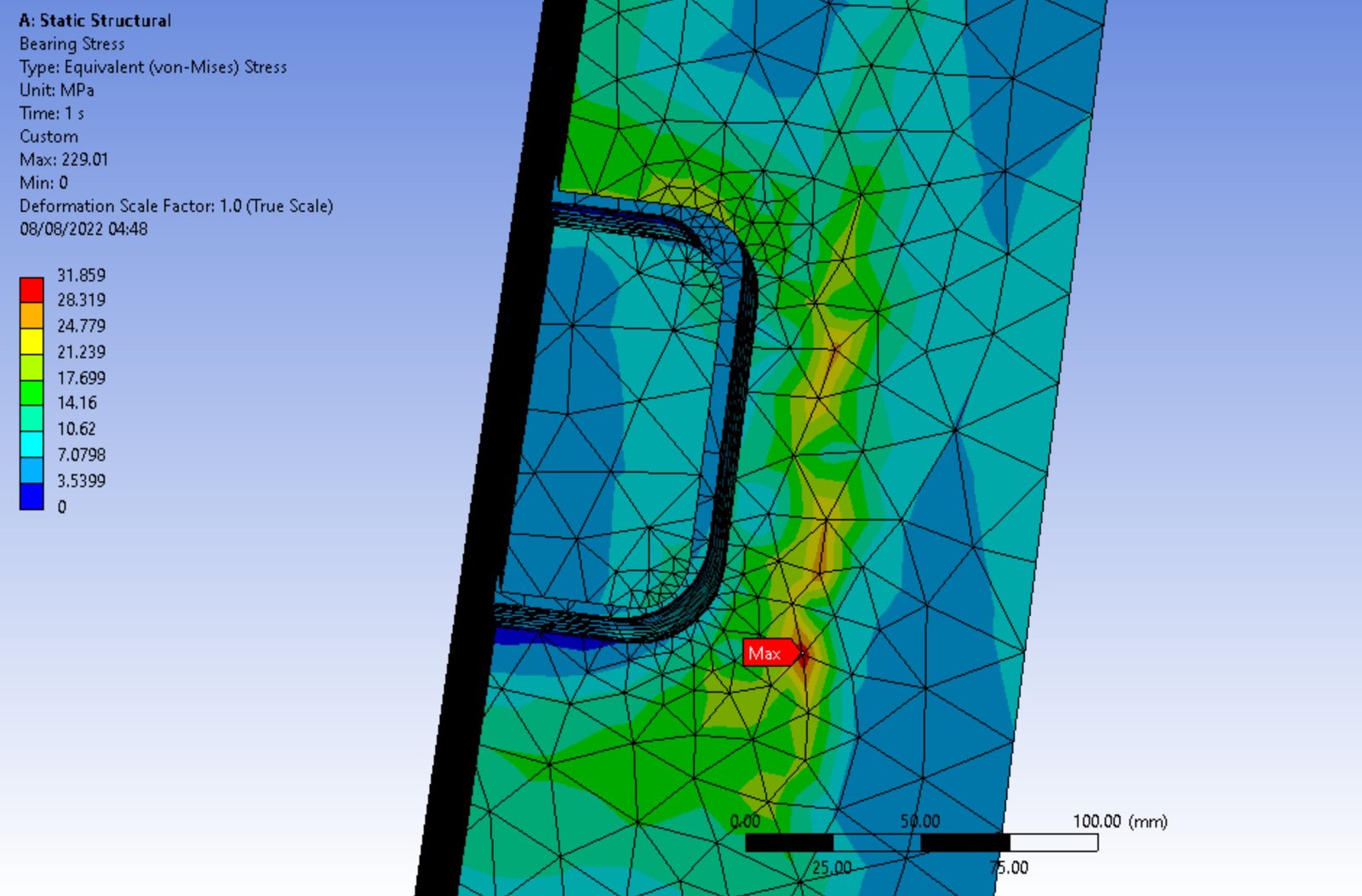
- stress concentrations
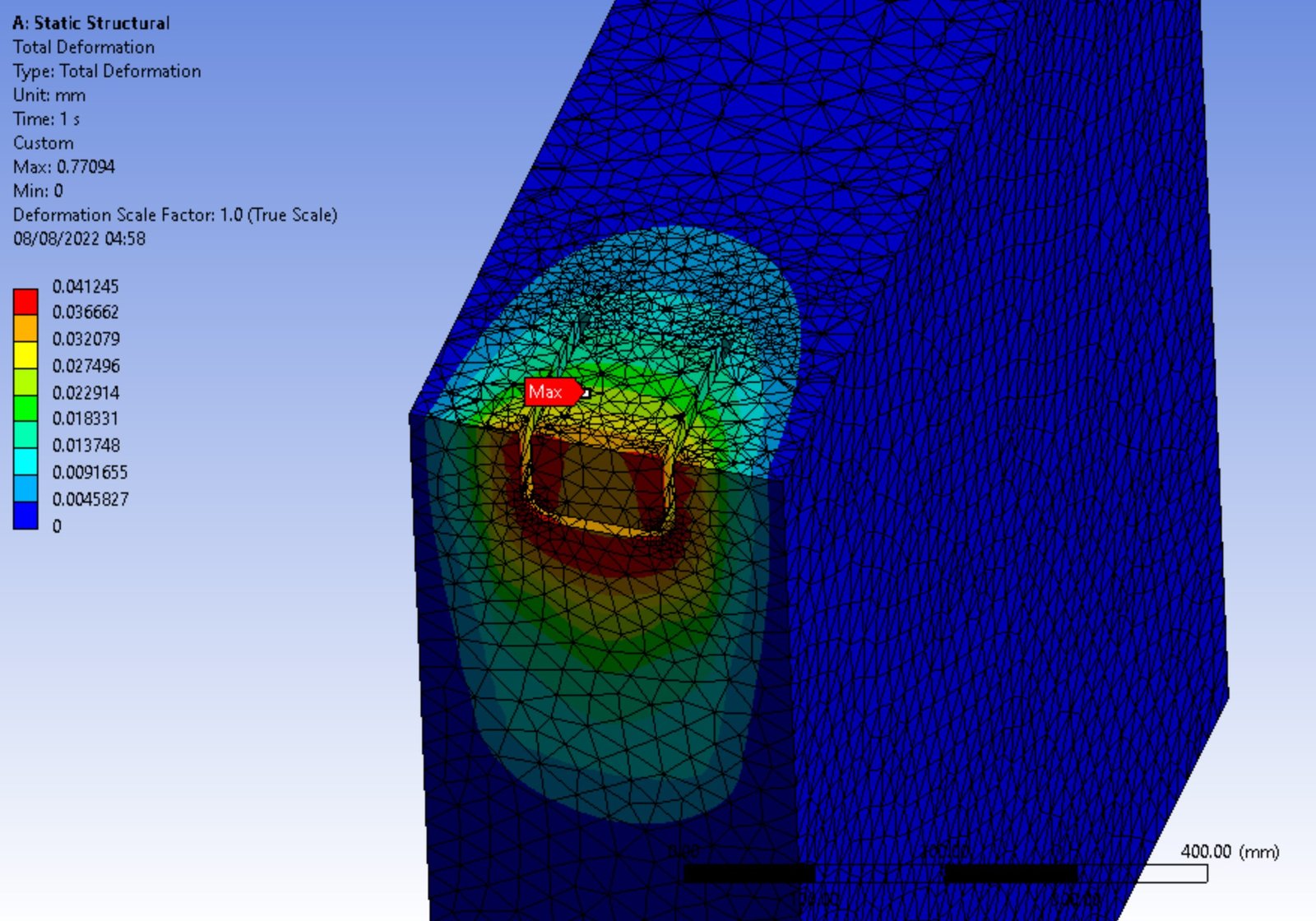
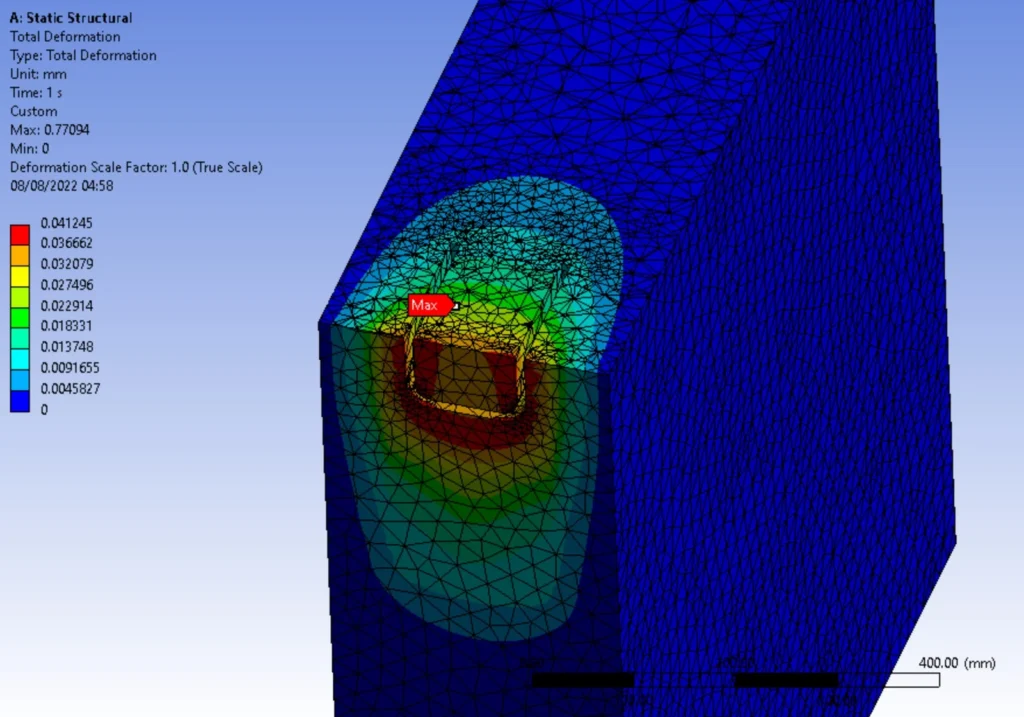
- deformation patterns
- potential yield zones
The Solution
Through advanced structural simulation, AWJ Engineering delivered a detailed assessment of the joint’s mechanical behavior under load.
The simulation model allowed our team to:
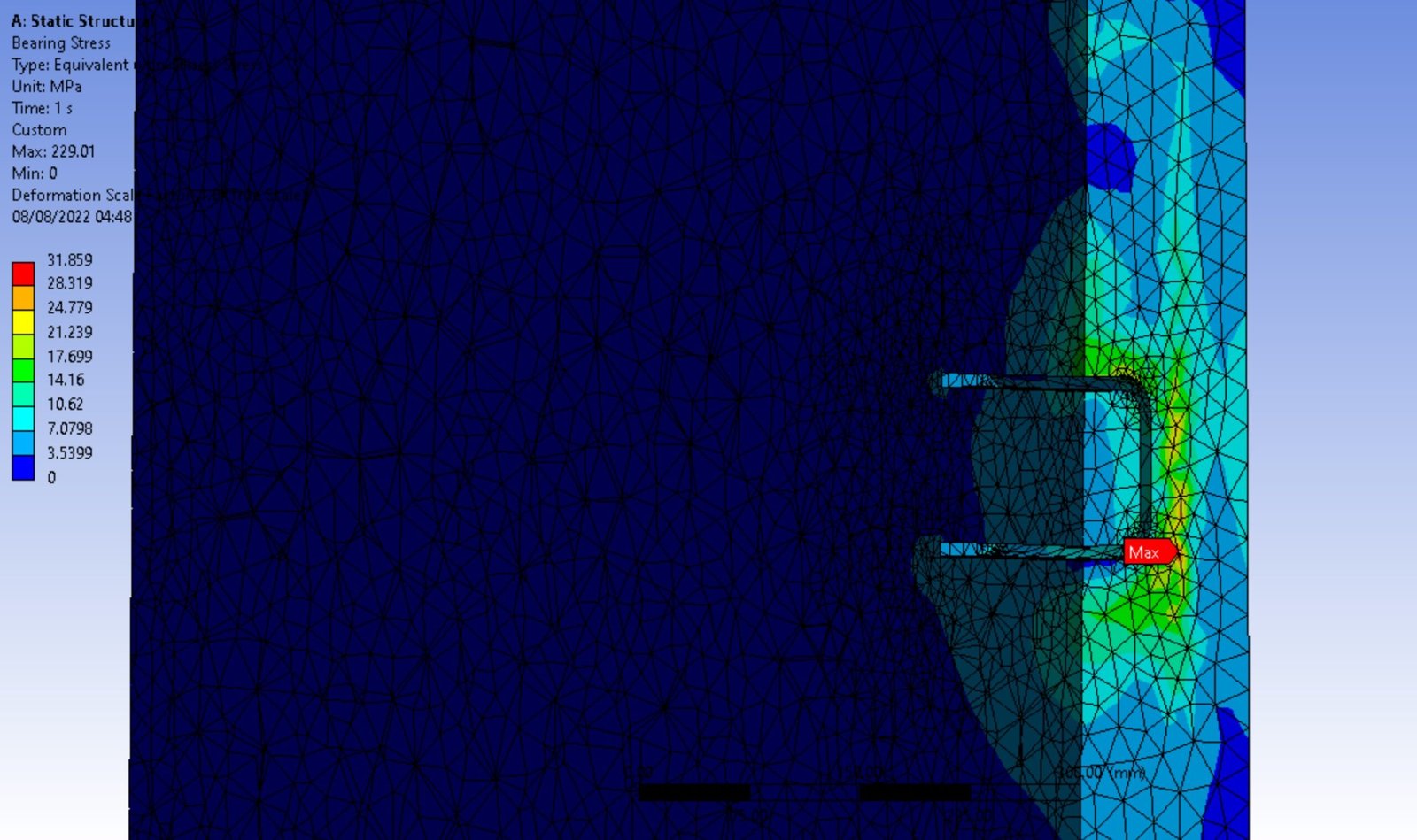
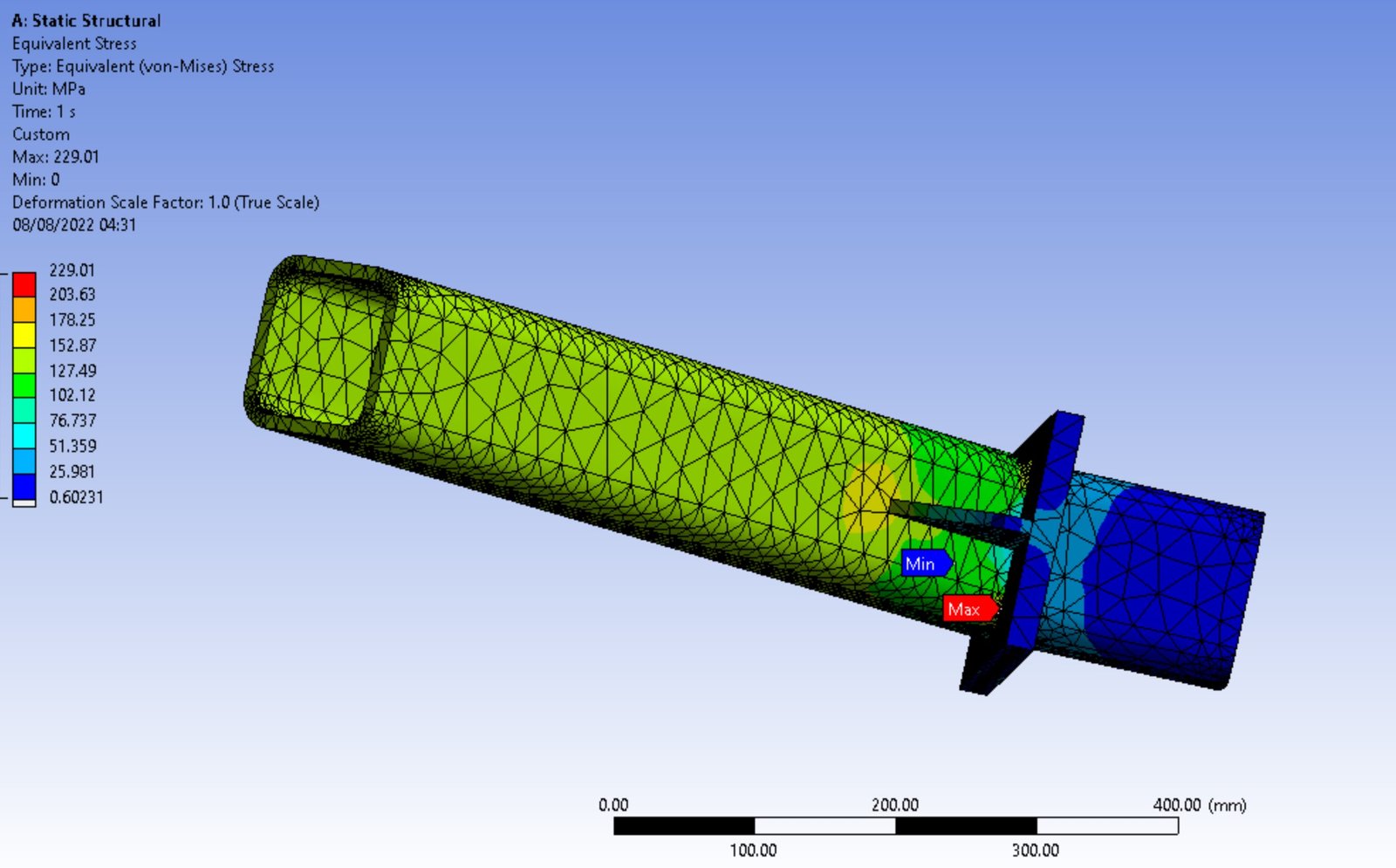
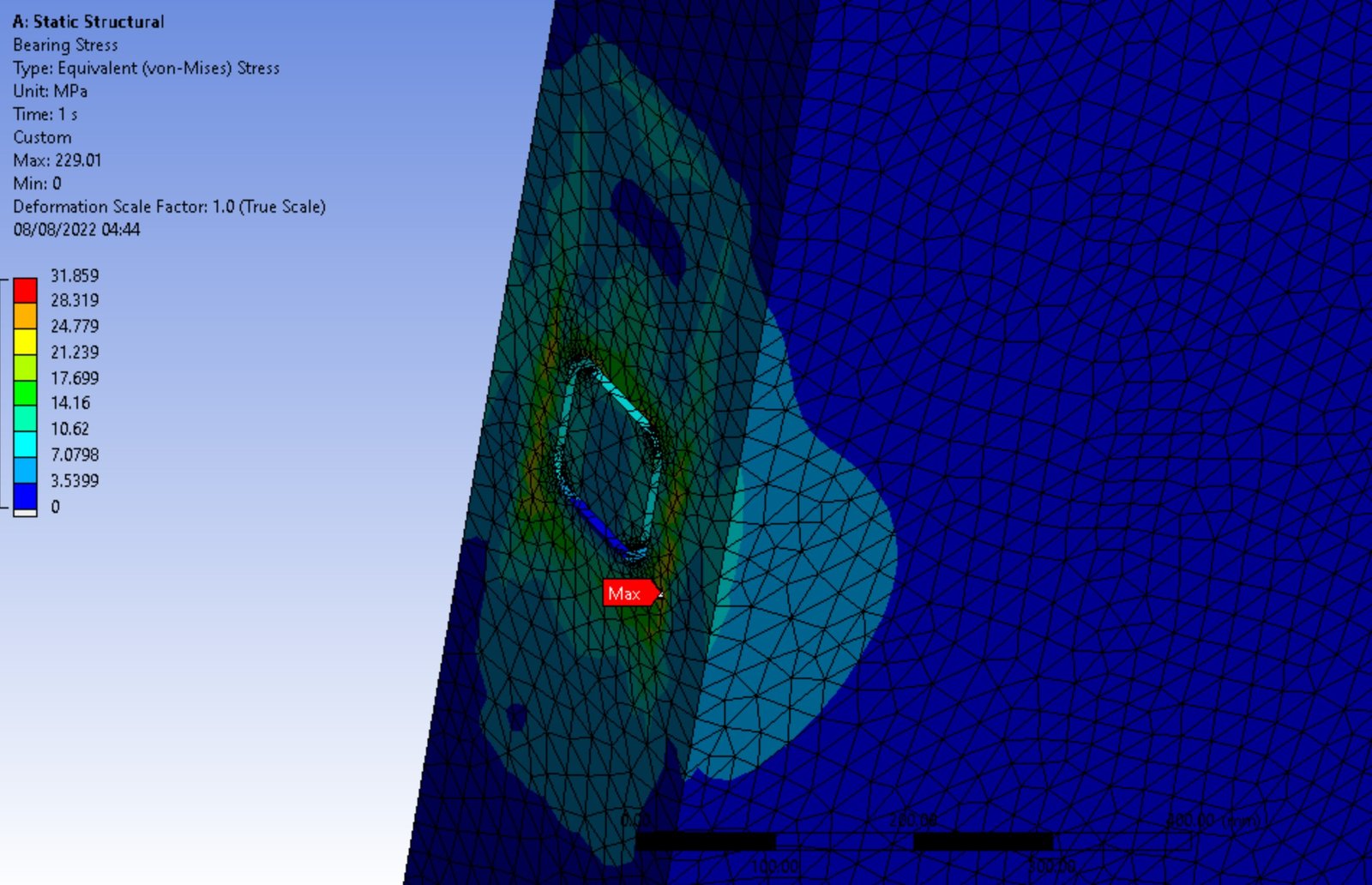
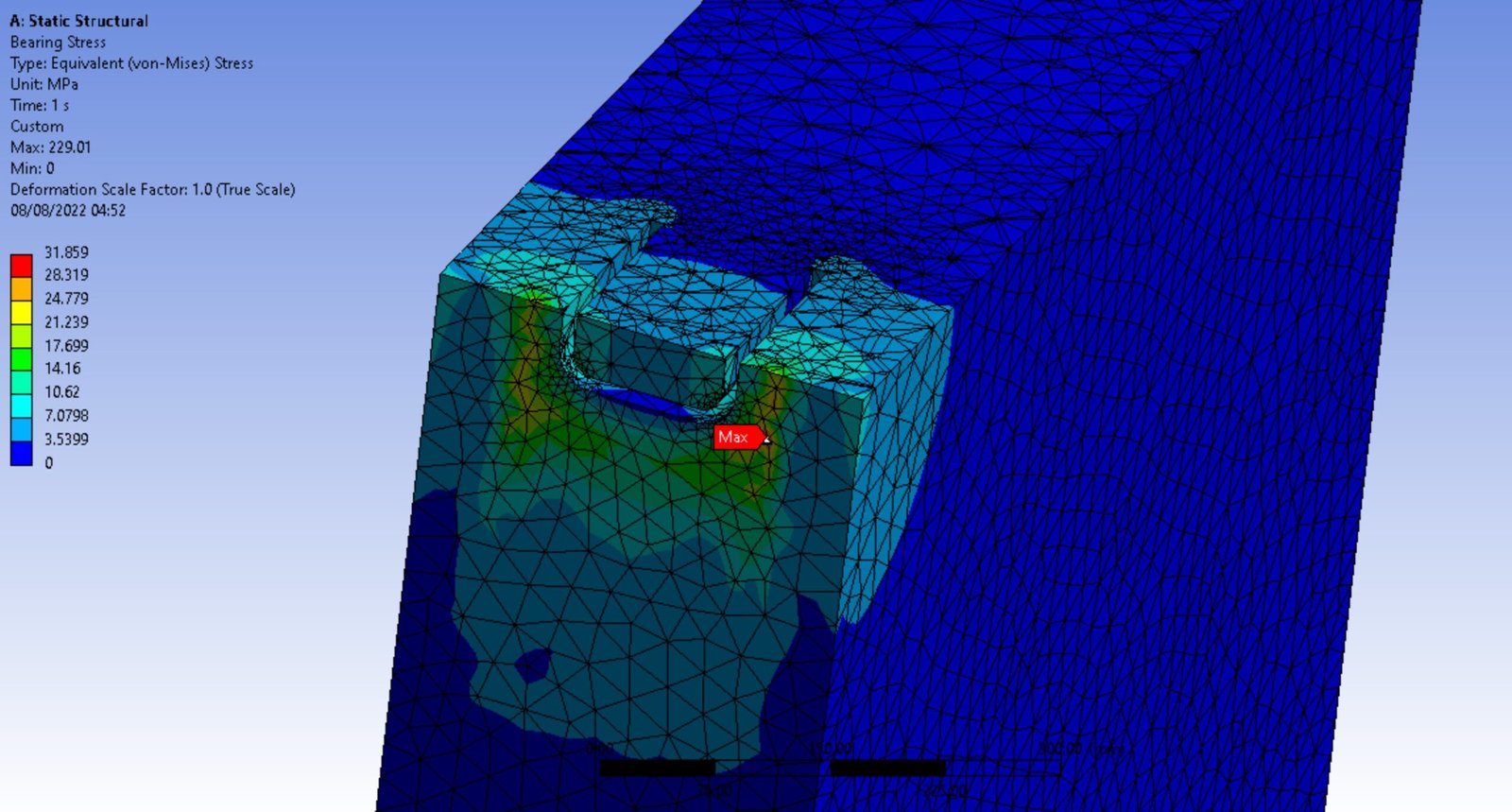
- Analyze stress distribution across the concrete-steel interface
- Evaluate load transfer through the strut geometry
- Identify potential structural weaknesses
- Confirm whether the joint remained within safe yield limits
The analysis provided the client with engineering validation of the joint’s performance, offering clear insights into how the structure would behave without bolt reinforcement.
This data enabled the client to make informed engineering decisions with confidence.
Technologies Used
Multiphysics Modeling: Electrostatic, Fluid Dynamics and PDE Module coupling
Numerical Methods: Finite Element Analysis (FEA), Computational Fluid Dynamics (CFD)
Simulation Focus: Electrohydrodynamic airflow modeling, Ion transport dynamics, Momentum exchange between ions and gas molecules
Validation Method: Benchmark comparison with established electrohydrodynamic research
Technologies Used
Engineering Modeling
3D structural modeling
Simulation
Finite Element Analysis (FEA)
Material Analysis
Structural steel and concrete modeling
Engineering Tools
SolidWorks
Results & Business Impact
The project delivered meaningful value for the client’s engineering decision-making process. Key outcomes included:- Validation of structural performance under load conditions
- Clear assessment of yield strength limits within the joint
- Identification of stress distribution patterns across the structure
- Reliable evaluation of the grout-based load transfer mechanism
- Data-driven insights enabling confident design decisions
Key Takeaways
This project highlights AWJ Engineering’s ability to deliver precise, targeted structural simulations that support real-world engineering decisions.
By combining detailed modeling with advanced simulation techniques, our team helps engineering organizations:
- validate complex structural designs
- reduce construction risks
- improve design reliability
- make data-driven engineering decisions
Our expertise in structural analysis ensures that clients receive clear, actionable insights into how their designs will perform under real operating conditions.
Need Structural Validation for your Project?
If your engineering project requires help with designing structures and structural integrity analysis, load validation, or simulation-driven design verification, AWJ Engineering can help.
Our team specializes in delivering high-precision engineering simulations that help organizations validate designs, mitigate risks, and optimize structural performance.
Contact us today to discuss your project.
Related Projects
Hyperelastic Material Analysis of Thermoplastic Polyurethane
Evaluate deformation and stress behavior of Thermoplastic Polyurethane (TPU) under applied load.
Transient Fluid-Structure Interaction (FSI) in Collapsible Elastic Tube
Analyze how fluid flow interacts with the deformation of a thin-walled elastic tube.
Structural Integrity Analysis of Concrete - Steel Strut Joint
Validate structural stability of a concrete-steel strut joint without bolt reinforcement.

Capacitor with Electrohydrodynamic Flow Through Corona Discharge
Study electrohydrodynamic flow behavior in capacitor systems under corona discharge conditions.
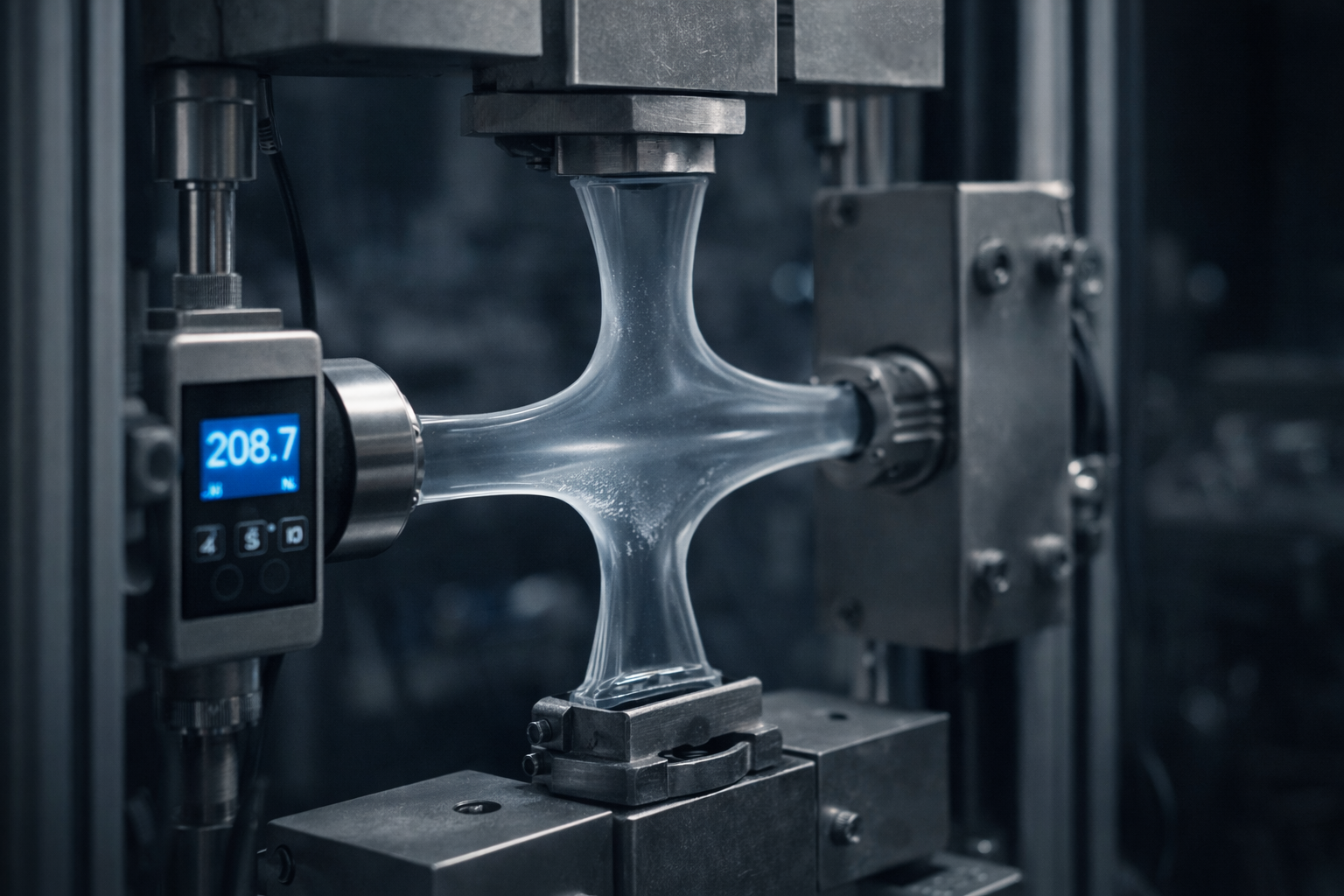
Hyperelastic Material Analysis of Thermoplastic Polyurethane
Evaluate deformation and stress behavior of Thermoplastic Polyurethane (TPU) under applied load.

Enhancing the Thermal Efficiency of a Parabolic Trough Collector Using Inserts
Analyze thermal performance improvement of a parabolic trough collector using internal inserts for enhanced heat transfer.