





Over 10 years we help companies reach their financial and branding goals. Engitech is a values-driven technology agency dedicated.

Gallery

Contacts

411 University St, Seattle, USA

engitech@oceanthemes.net

+1 -800-456-478-23

Hyperelastic Material Analysis of Thermoplastic Polyurethane

Industry:

Materials Engineering/ Product Design

Client Type:

Product engineering organization

Service Provided:

Hyperelastic material simulation and structural analysis

Objective:

Evaluate deformation and stress behavior of Thermoplastic Polyurethane (TPU) under applied load

Model Used:

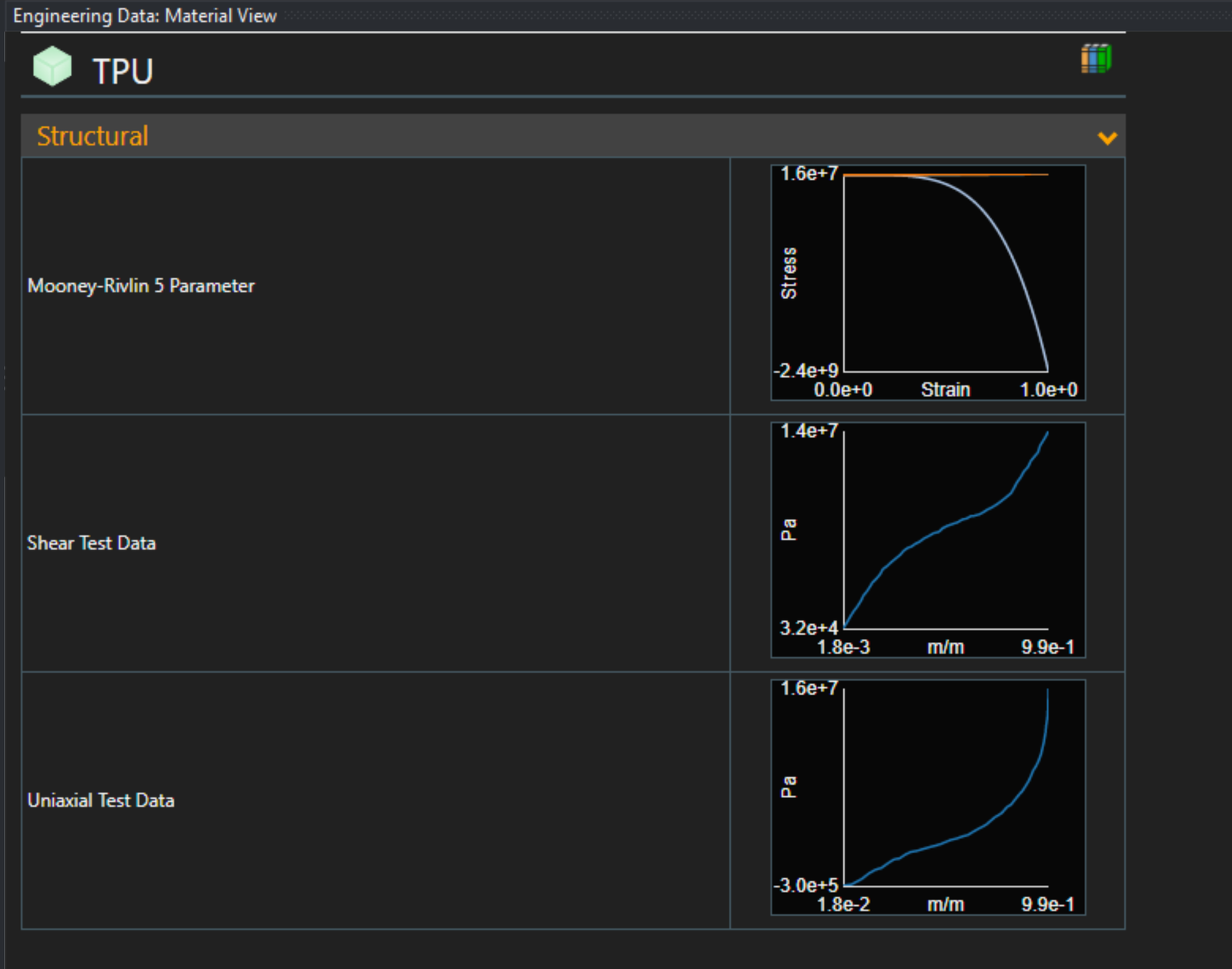
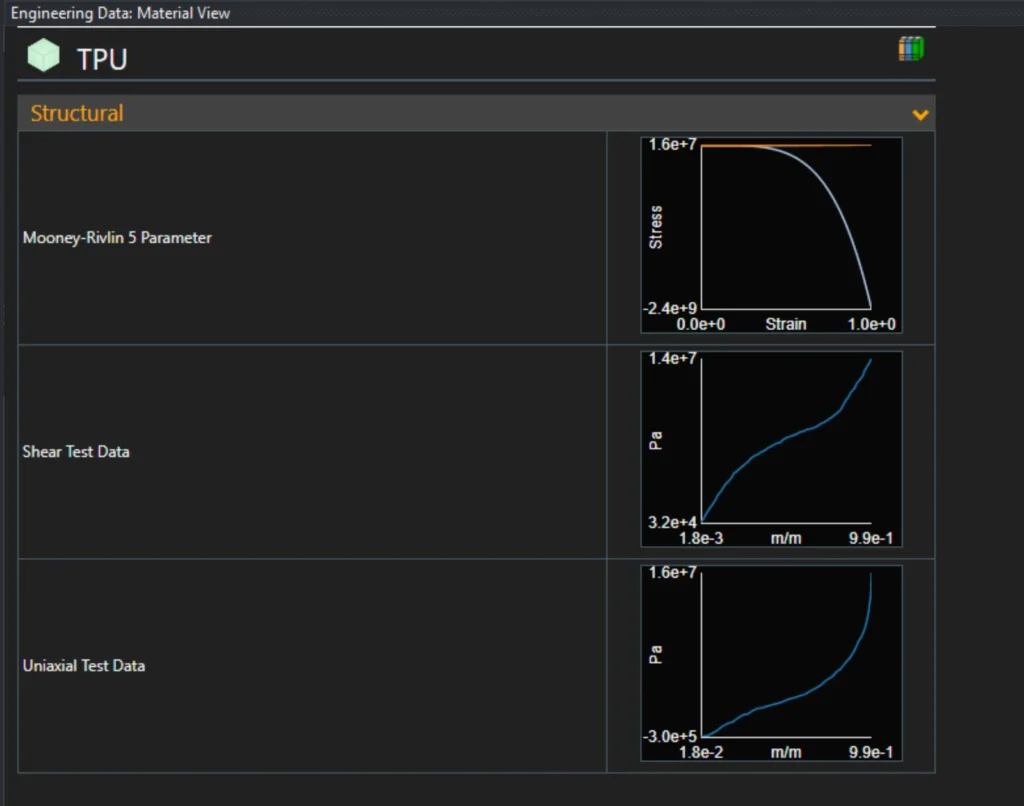
Mooney-Rivlin hyperelastic material model

Analysis Method:

Finite Element Analysis (FEA) using ANSYS Mechanical

Focus:

Accurate prediction of material response under real-world loading conditions

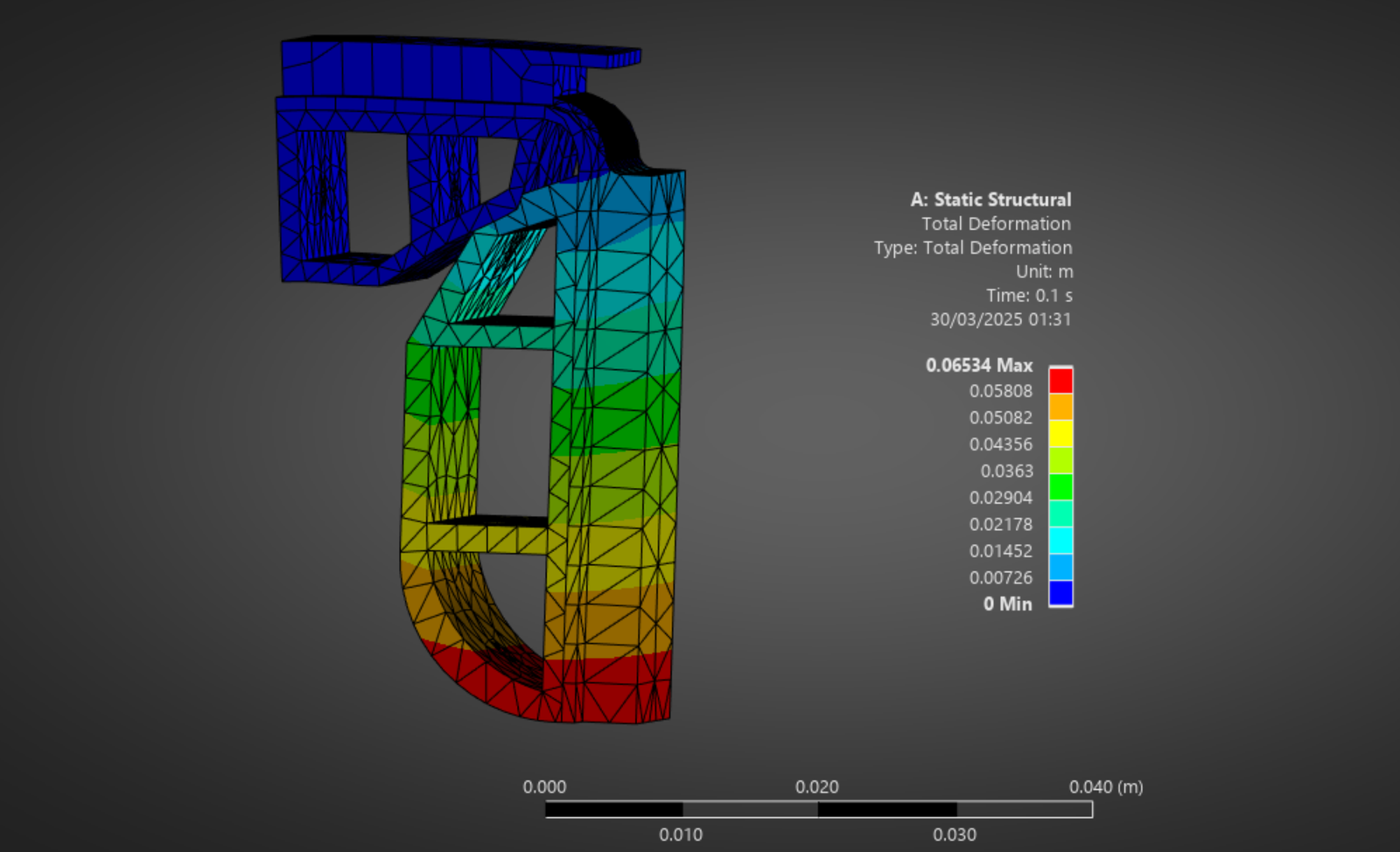
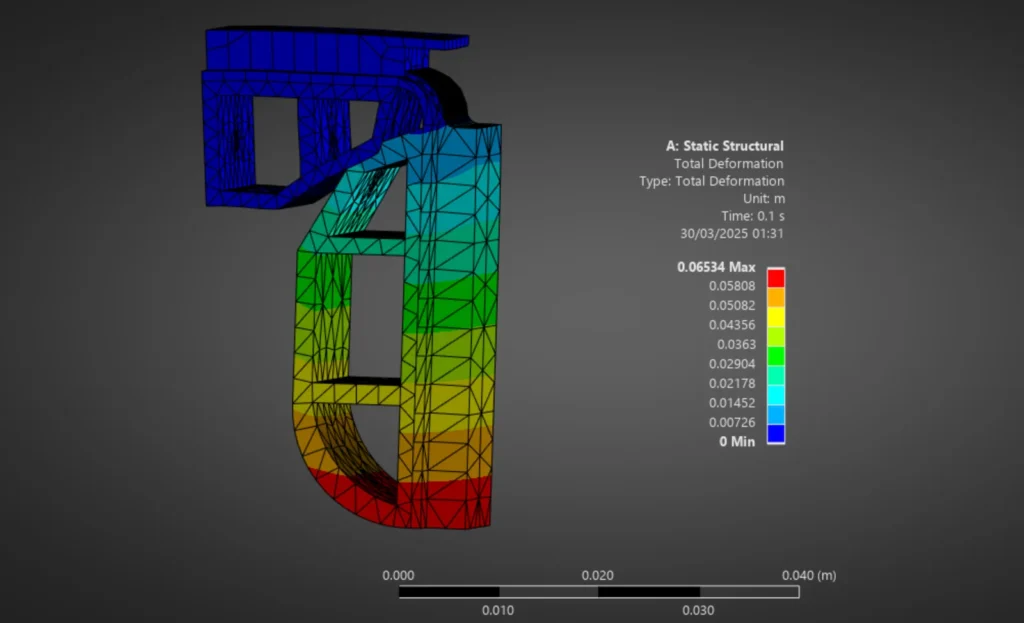
At AWJ Engineering, our team applied the Mooney-Rivlin model to simulate the hyperelastic behavior of Thermoplastic Polyurethane (TPU) in a structural analysis. With one end fixed and a controlled force applied to the opposite end, we evaluated deformation, stress distribution, and material response under real-world loading conditions.

This project demonstrates our precision in advanced material simulations for durable, high-performance designs.

For more on methodology, results, or similar analyses, contact us today.

The Client

The client was developing a component made from Thermoplastic Polyurethane (TPU)- a versatile elastomer widely used in engineering applications due to its durability, flexibility, and resistance to abrasion.

TPU components are commonly used in industries such as:

  • automotive
  • industrial equipment
  • consumer products
  • flexible mechanical systems

However, designing reliable TPU-based components requires a precise understanding of how the material behaves when subjected to stretching, compression, and mechanical loads.

The client needed engineering validation to ensure the material would maintain its structural integrity under operational conditions.

The Challenge

Unlike conventional materials such as steel or aluminum, TPU exhibits hyperelastic behavior. This means its mechanical response is highly nonlinear and significantly influenced by large deformations.

The client’s engineering team faced several challenges:

  • predicting how the TPU component would deform under load
  • understanding stress distribution across the material
  • ensuring the material would return to its original form without permanent damage
  • identifying potential stress concentrations that could lead to failure

Without accurate simulation, designing TPU components often requires multiple costly physical prototypes and testing cycles.

The client needed a computational approach that could reliably simulate the material’s behavior before moving into production.

Engineering Challenge

Modeling hyperelastic materials introduces additional complexity compared to traditional structural simulations.

The engineering challenge involved accurately representing the nonlinear stress-strain relationship of TPU while also capturing realistic deformation patterns during loading.

To achieve this, the simulation needed to:

  • represent the hyperelastic properties of the material
  • simulate large elastic deformations
  • capture stress distribution across geometry
  • predict how the material behaves under controlled mechanical force

Selecting the correct constitutive model was critical to ensuring simulation accuracy.

Our Approach

The AWJ Engineering team implemented a structured simulation workflow to accurately evaluate the behavior of the TPU component.

Material Model Seletion

To capture the hyperelastic characteristics of TPU, our engineers selected the Mooney-Rivlin material model, a widely used constitutive model for elastomeric materials.

This model allows for accurate representation of nonlinear deformation behavior under mechanical loading.

Structural Simulation Setup

A simulation environment was configured to replicate real-world operating conditions.

The boundary conditions were defined as follows:

  • one end of the structure was fixed
  • a controlled force was applied to the opposite end

This setup allowed us to evaluate how the material behaves when subjected to tensile loading.

Finite Element Modeling

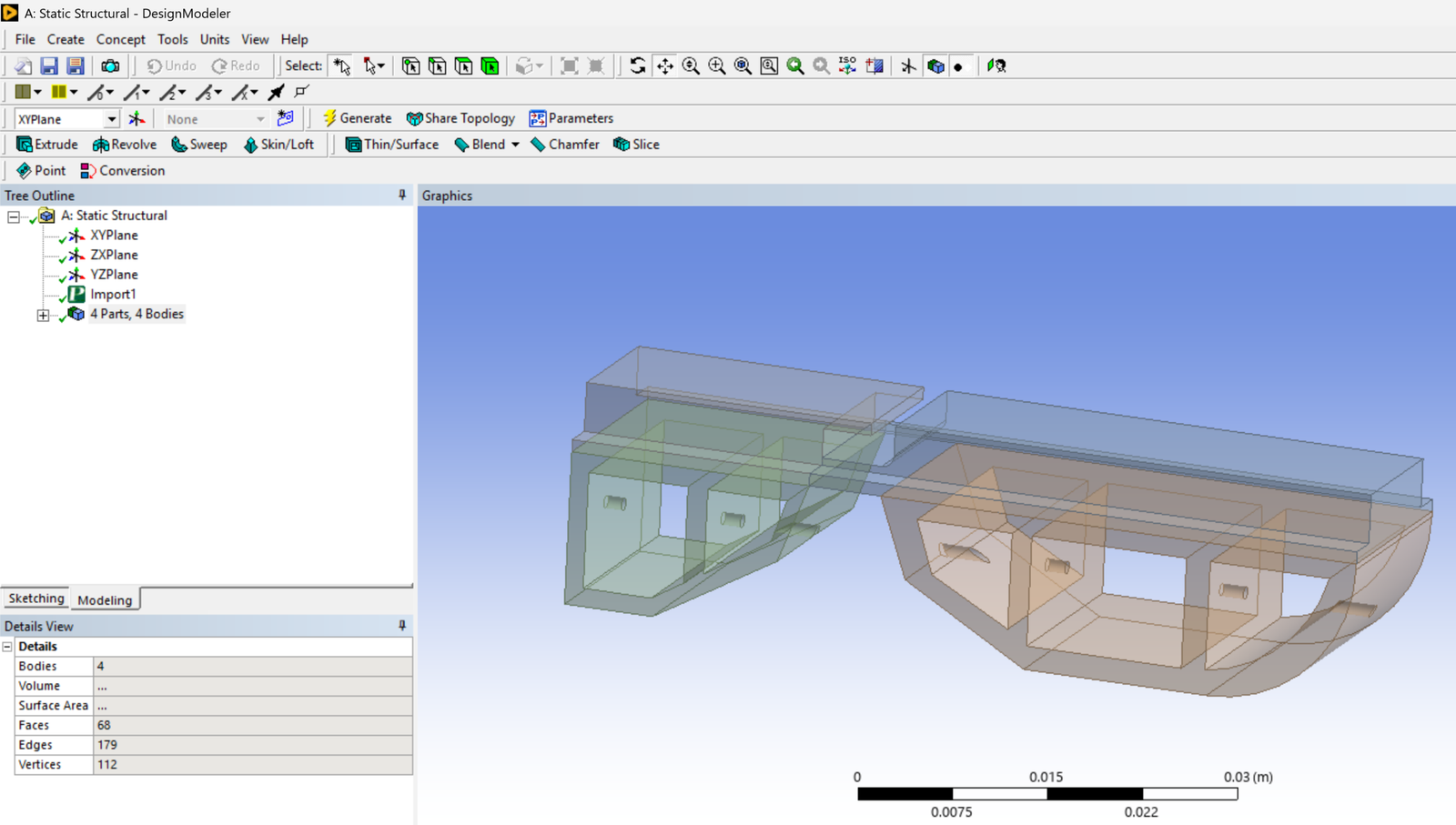
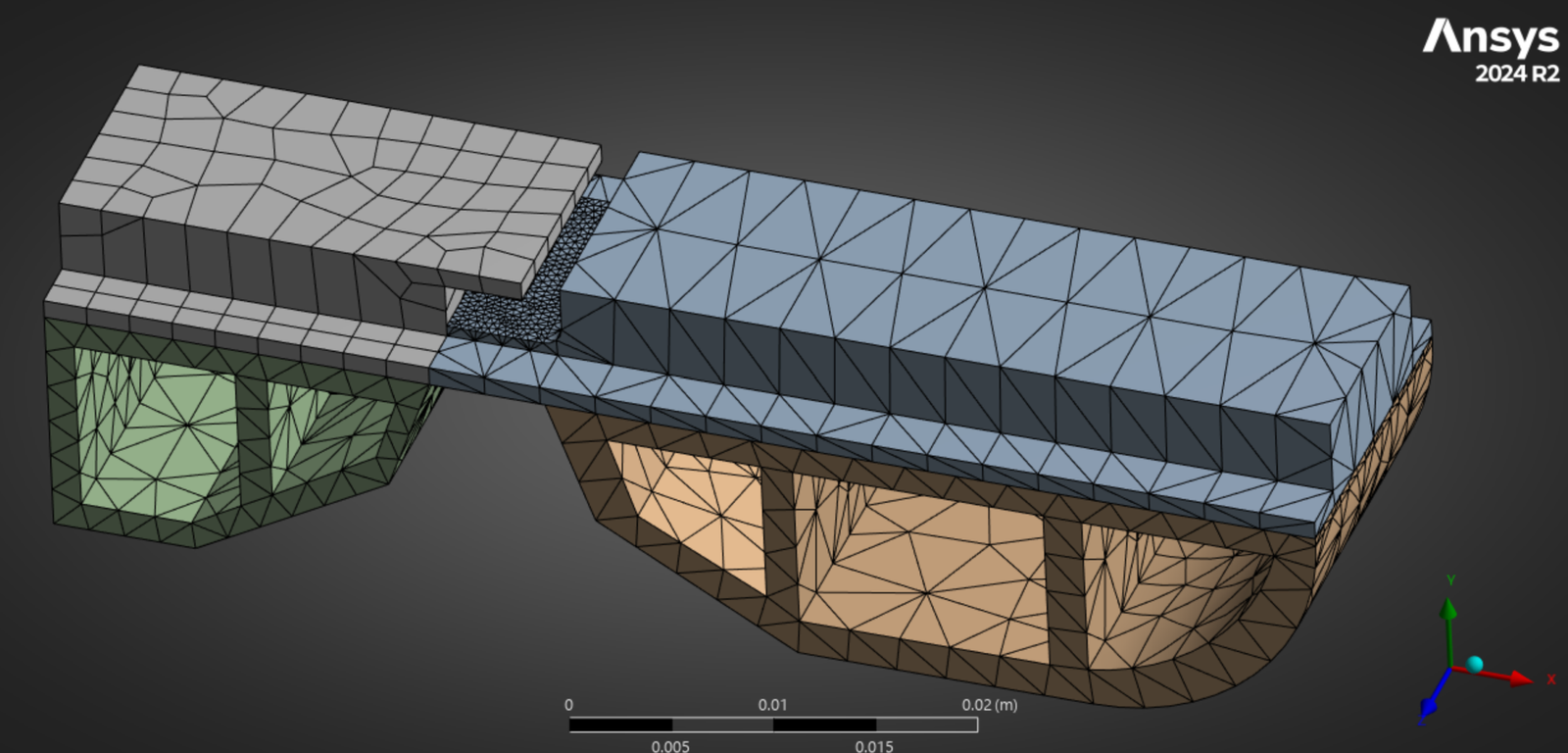
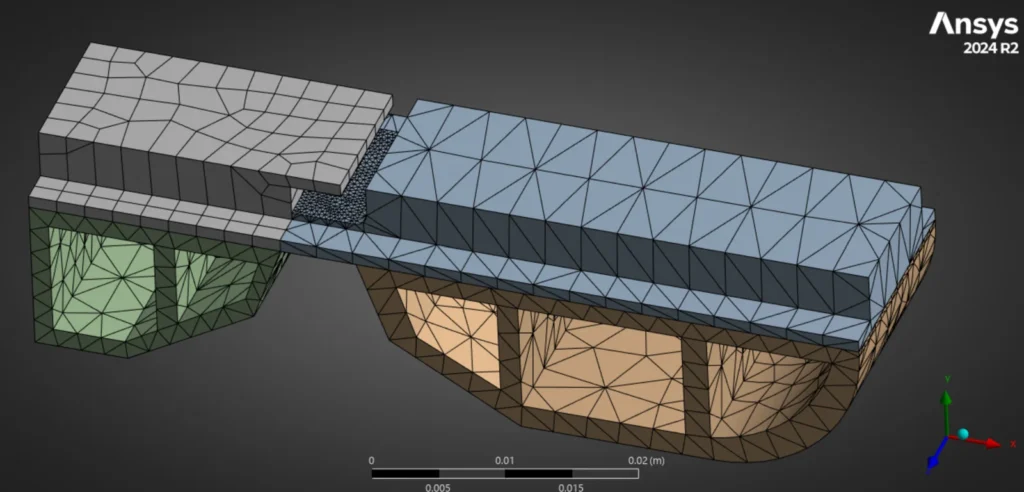
A detailed finite element model was created to capture the structural behavior of the TPU geometry.

The simulation allowed our engineers to track:

  • deformation patterns
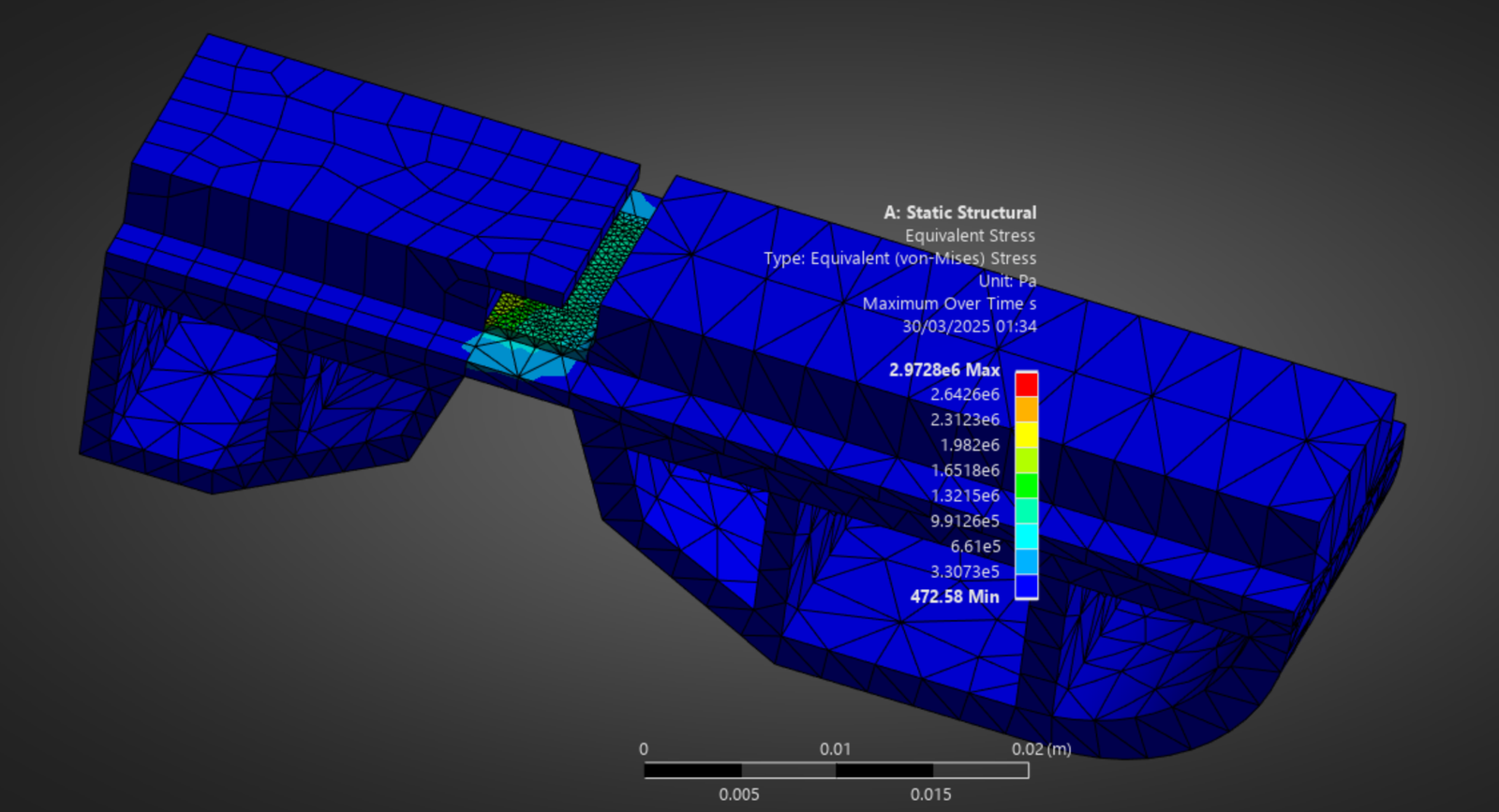
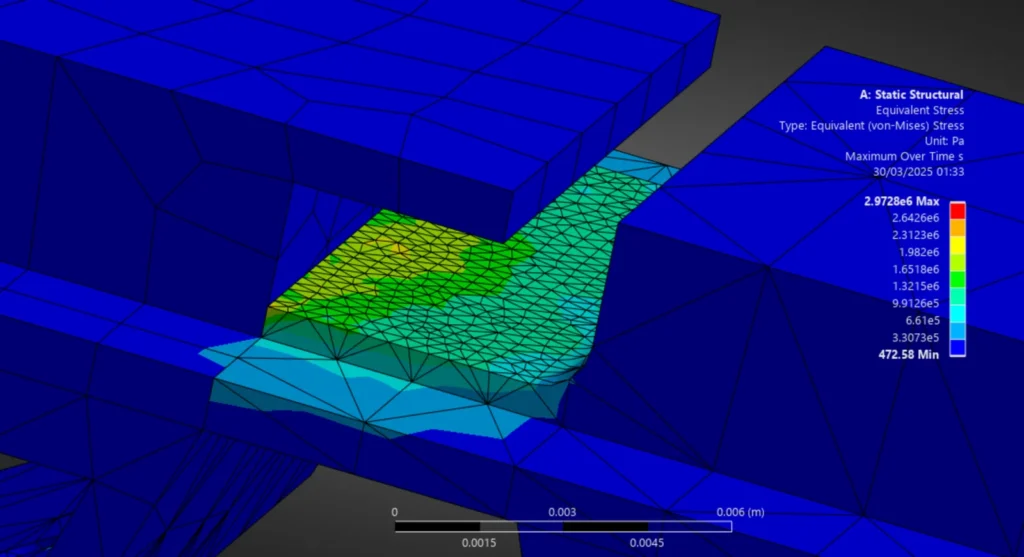
  • stress distribution
  • strain levels within the material

Load Response Evaluation

With the simulation running, the structural response of the material was analyzed to determine how the TPU component reacts under mechanical force.

The results provided valuable insight into how the material distributes stress and how much deformation occurs during loading.

The Solution

Using advanced simulation techniques, AWJ Engineering successfully modeled the hyperelastic behavior of the TPU component.

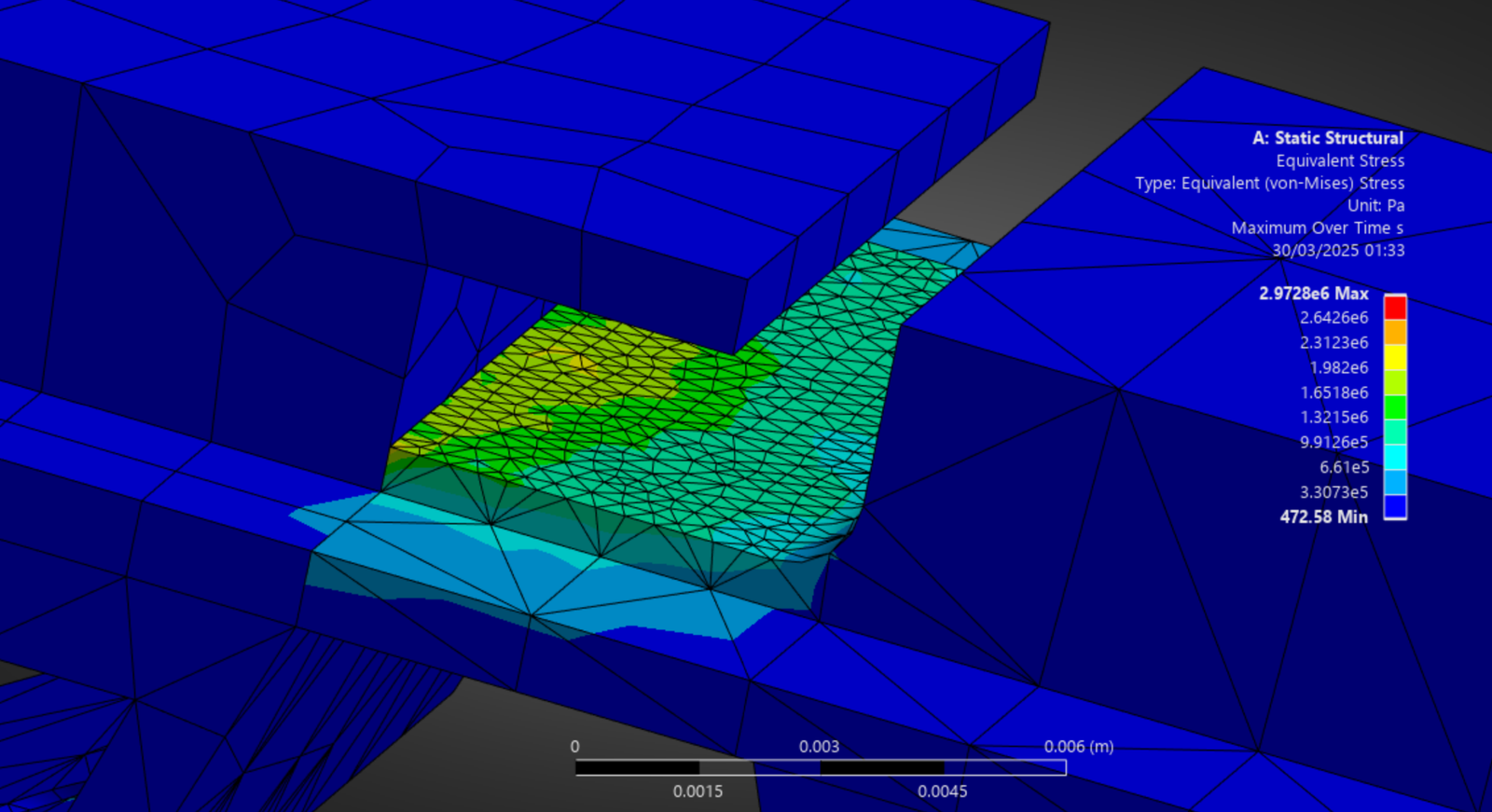
The analysis provided a detailed visualization of:

  • deformation under applied force
  • stress concentrations across the geometry
  • strain distribution within the material

By applying the Mooney-Rivlin model within the finite element framework, our team was able to replicate the realistic mechanical behavior of TPU under load.

This approach enabled the client to gain a deeper understanding of how the material would perform in practical operating conditions.

Technologies Used

Multiphysics Modeling: Electrostatic, Fluid Dynamics and PDE Module coupling

Numerical Methods: Finite Element Analysis (FEA), Computational Fluid Dynamics (CFD)

Simulation Focus: Electrohydrodynamic airflow modeling, Ion transport dynamics, Momentum exchange between ions and gas molecules

Validation Method: Benchmark comparison with established electrohydrodynamic research

Technologies Used

Results & Business Impact

The simulation delivered key insights that supported the client’s design process.

Key outcomes included:

  • Accurate prediction of TPU deformation under load
  • Visualization of stress distribution across the structure
  • Improved understanding of nonlinear material behavior
  • Reduced need for early-stage physical prototyping
  • Enhanced confidence in the durability of the design

By leveraging computational simulation, the client was able to evaluate material performance early in the design cycle, helping accelerate development while reducing engineering risks.

Key Takeaways

This project demonstrates AWJ Engineering’s expertise in advanced material modeling and hyperelastic simulations.

Through precise engineering analysis, we help organizations:

  • understand complex material behavior
  • validate flexible component designs
  • reduce product development risks
  • optimize performance before manufacturing

Our team specializes in simulation-driven engineering that allows companies to make data-informed design decisions with confidence.

Need Advanced Material Simulation for Your Product?

If your product involves flexible materials, elastomers, or complex mechanical behavior, AWJ Engineering can help you validate performance before production.

Our engineering simulations provide deep insights into material response, enabling teams to design durable, high-performance products with greater confidence.

Contact us today to discuss your project.