Enhancing the thermal efficiency of a parabolic trough collector using inserts
INDUSTRY
Renewable Energy/ Solar Thermal Systems
CLIENT TYPE
Energy based engineering organization
SERVICE PROVIDED
Thermal performance simulation and design optimization
OBJECTIVE
Improve thermal efficiency of a parabolic trough collector (PTC) system
ENGINEERING METHOD
Computational Fluid Dynamics (CFD) and thermal analysis
SOFTWARE TOOLS
SolidWorks, ANSYS Mechanical, ANSYS Fluent
SIMULATION FOCUS
Heat transfer, fluid dynamics, and receiver geometry optimization
At AWJ Engineering, our team explored advanced parabolic trough collector technology, a leading solution for converting solar irradiation into process heat or steam for Rankine cycle electricity generation. Optical efficiency hinges on material properties like mirror reflectance, glass transmittance, receiver absorptance-emittance (often >95%), low emissivity (as low as 0.02), intercept/geometry factors, and incidence angles. Thermal efficiency is enhanced by minimizing losses—convection and radiation via evacuated metal-glass tubes and selective coatings, while conduction depends on structural materials. We’ve also addressed end losses in select studies.
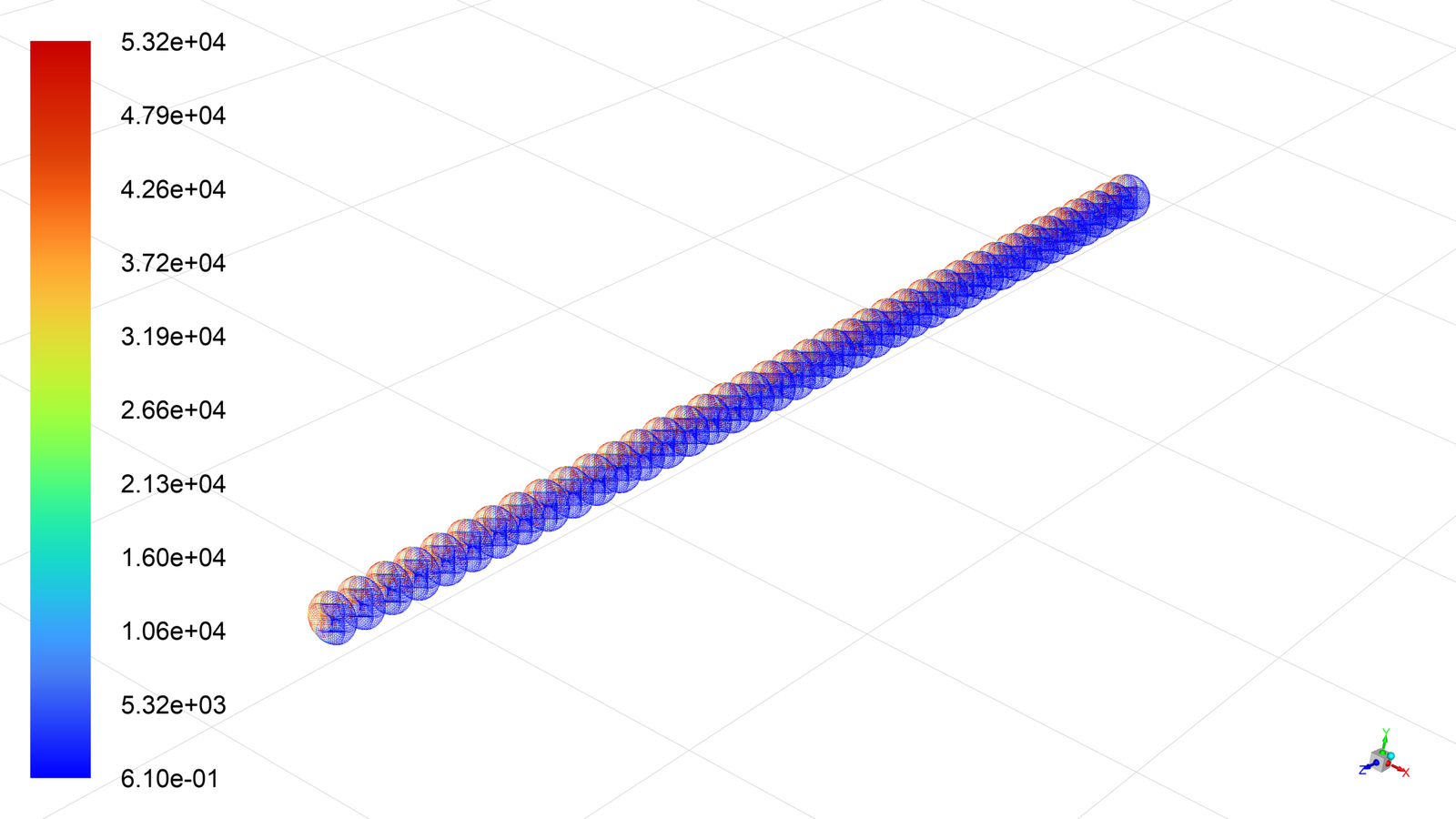
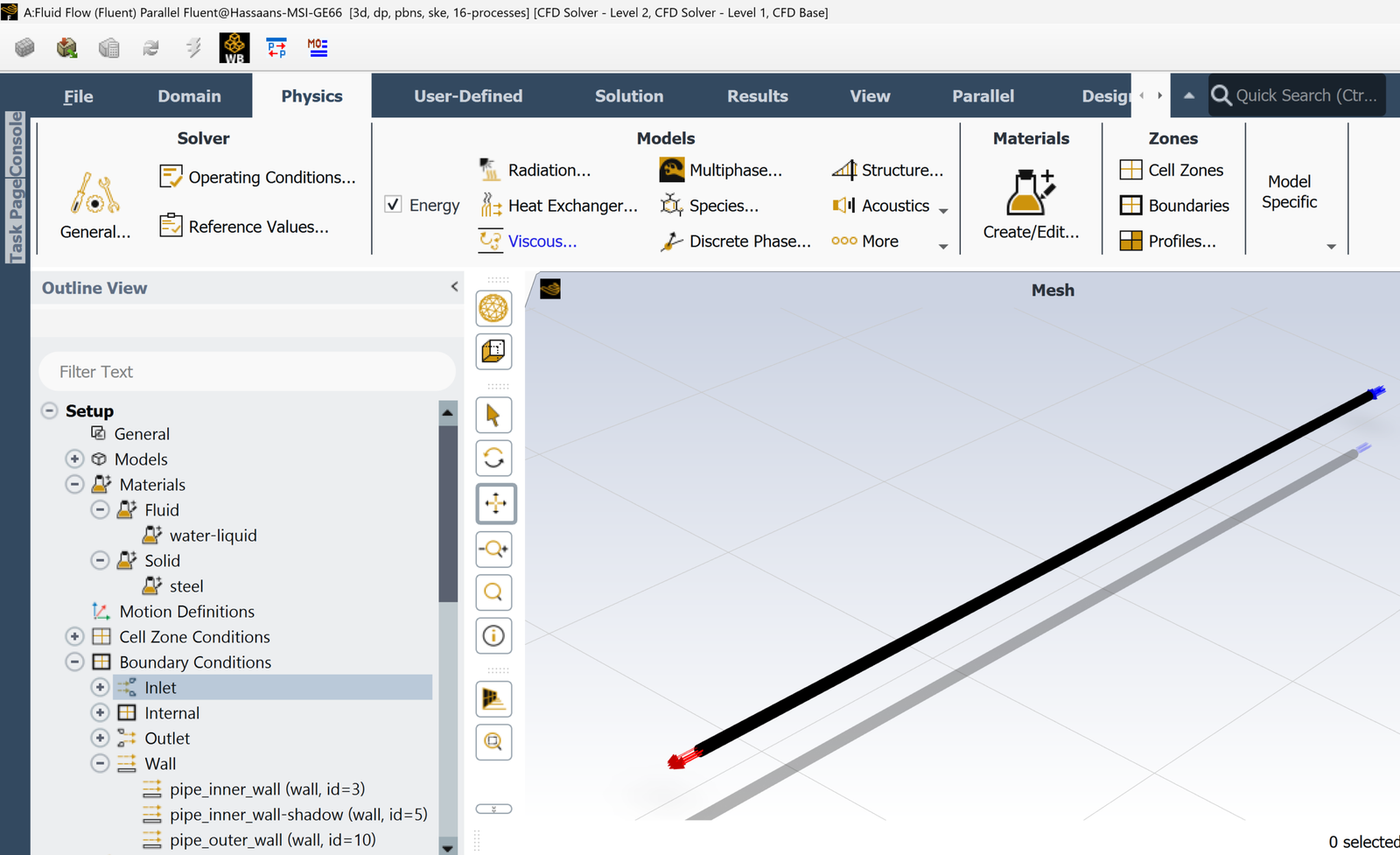
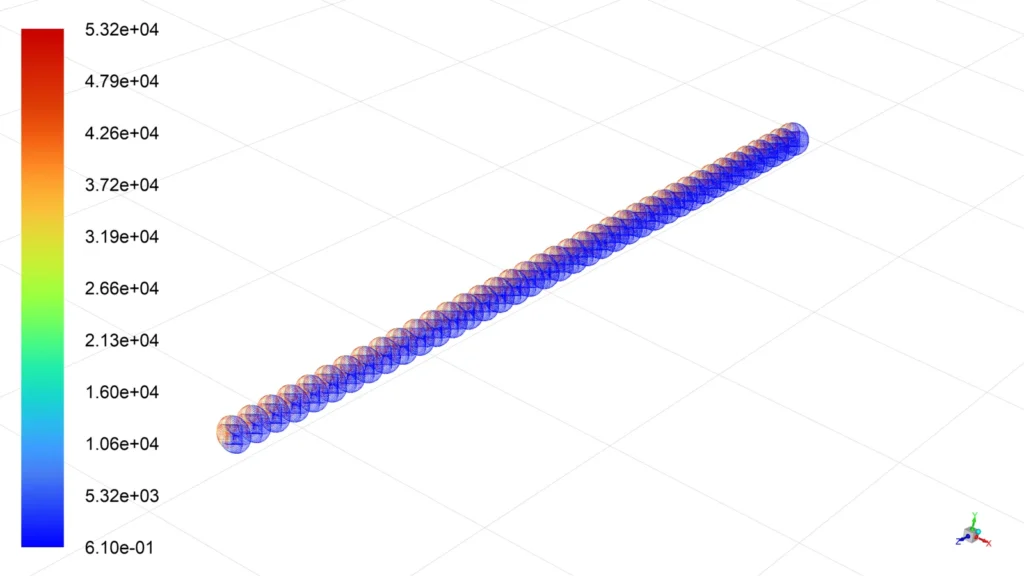
In this project, we evaluated various receiver geometries and inserts to boost thermal performance. Geometries were developed in SolidWorks, meshed in ANSYS Mechanical, and analyzed in ANSYS Fluent, incorporating the Energy Equation, Viscous Physics, k-epsilon turbulence modeling, and Rhie-Chow momentum flux for coupled simulations. A custom heat profile (.prof file) from optical-thermal analysis was imported to simulate real-world conditions.
Only base model results are shared here, as advanced geometries remain client intellectual property. For conceptual insights, refer to the Manikandan paper.
The Client
The client was working on the development and optimization of parabolic trough collector (PTC) systems, a widely adopted technology in concentrated solar power (CSP) plants. PTC systems convert solar irradiation into thermal energy, which is then used to generate steam for industrial processes or electricity production through Rankine cycle power systems. For these systems to operate efficiently, the receiver tube must maximize solar energy absorption while minimizing thermal losses. The client sought engineering support to explore design improvements that could increase the thermal efficiency of the collector without compromising system stability or manufacturability.The Challenge
Parabolic trough collectors rely heavily on both optical and thermal efficiency to achieve high energy conversion performance. While optical efficiency depends on factors such as:- mirror reflectivity
- glass envelope transmittance
- receiver absorptance and emissivity
- incidence angles and geometry alignment
- radiation losses from the receiver tube
- convective heat transfer between components
- conductive heat losses through structural materials
- end losses at the receiver boundaries
Engineering Challenge
Improving the thermal efficiency of a PTC receiver involves complex interactions between fluid dynamics, heat transfer, and structural design. The engineering challenge included:- modeling turbulent flow behavior inside the receiver tube
- accurately simulating heat transfer mechanisms
- integrating optical heat flux profiles into thermal simulations
- evaluating how inserts influence fluid mixing and heat distribution
Our Approach
AWJ Engineering implemented a structured simulation and validation workflow to address the client’s modeling challenges.Geometry Development
Multiple receiver geometries and insert configurations were developed using SolidWorks.
These geometries were designed to explore how internal modifications could improve heat transfer efficiency inside the collector tube.
Structural and mesh Preparation
The models were imported into ANSYS Mechanical, where high-quality computational meshes were generated.
Proper mesh refinement ensured accurate representation of fluid flow and thermal gradients.
CFD Simulation Setup
The thermal and fluid behavior of the collector system was simulated in ANSYS Fluent.
The simulation incorporated several key physical models:
- Energy Equation for heat transfer analysis
- Viscous physics modeling for fluid flow behavior
- k-epsilon turbulence modeling for turbulent flow conditions
- Rhie-Chow momentum flux correction to improve numerical stability in coupled simulations
Realistic Heat Flux Integration
To accurately simulate operational conditions, a custom heat profile (.prof file) derived from optical-thermal analysis was imported into the CFD model.
This allowed the simulation to replicate real solar heat distribution across the receiver surface, ensuring the results reflected real-world conditions.
Performance Evaluation
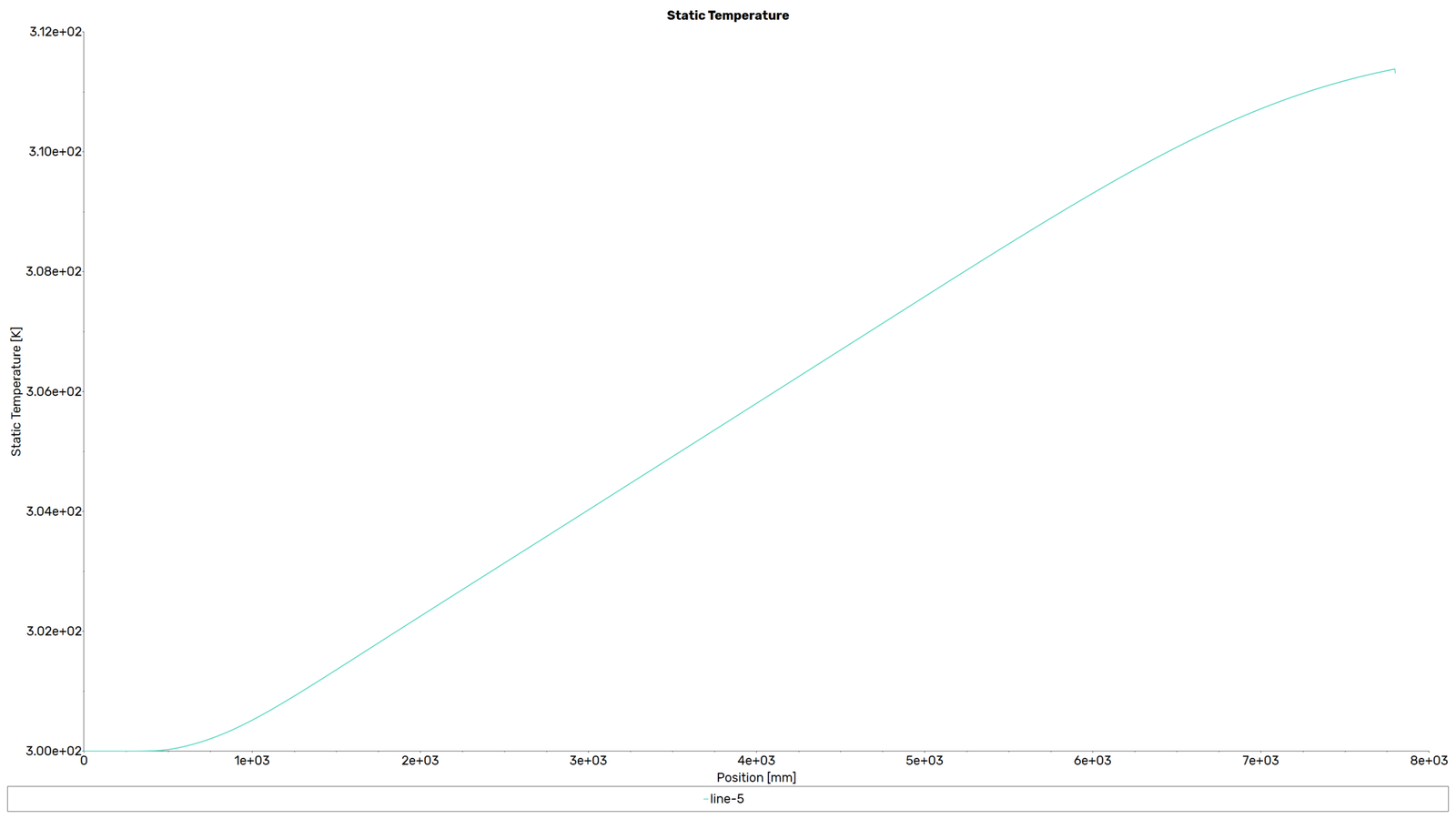
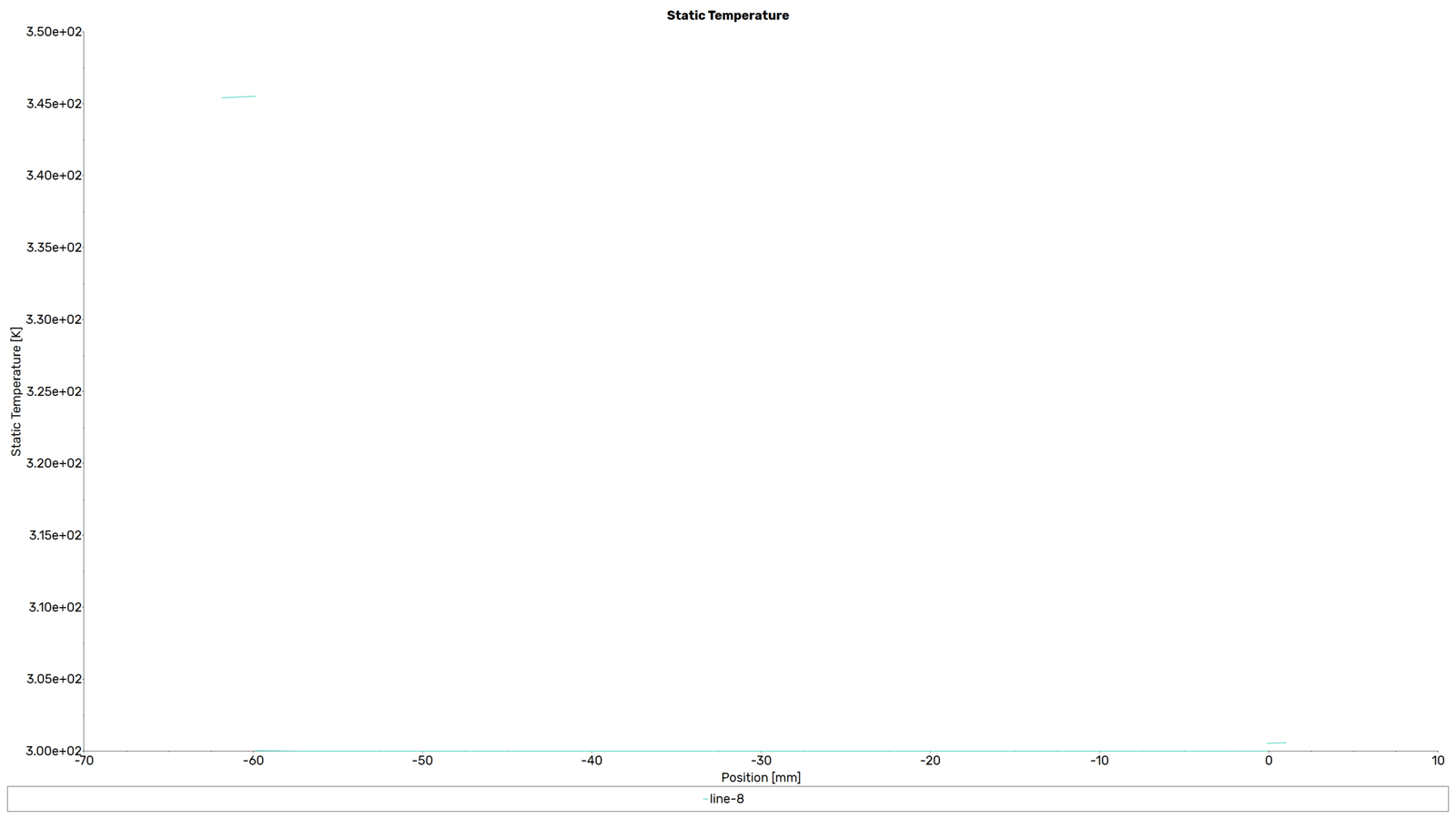
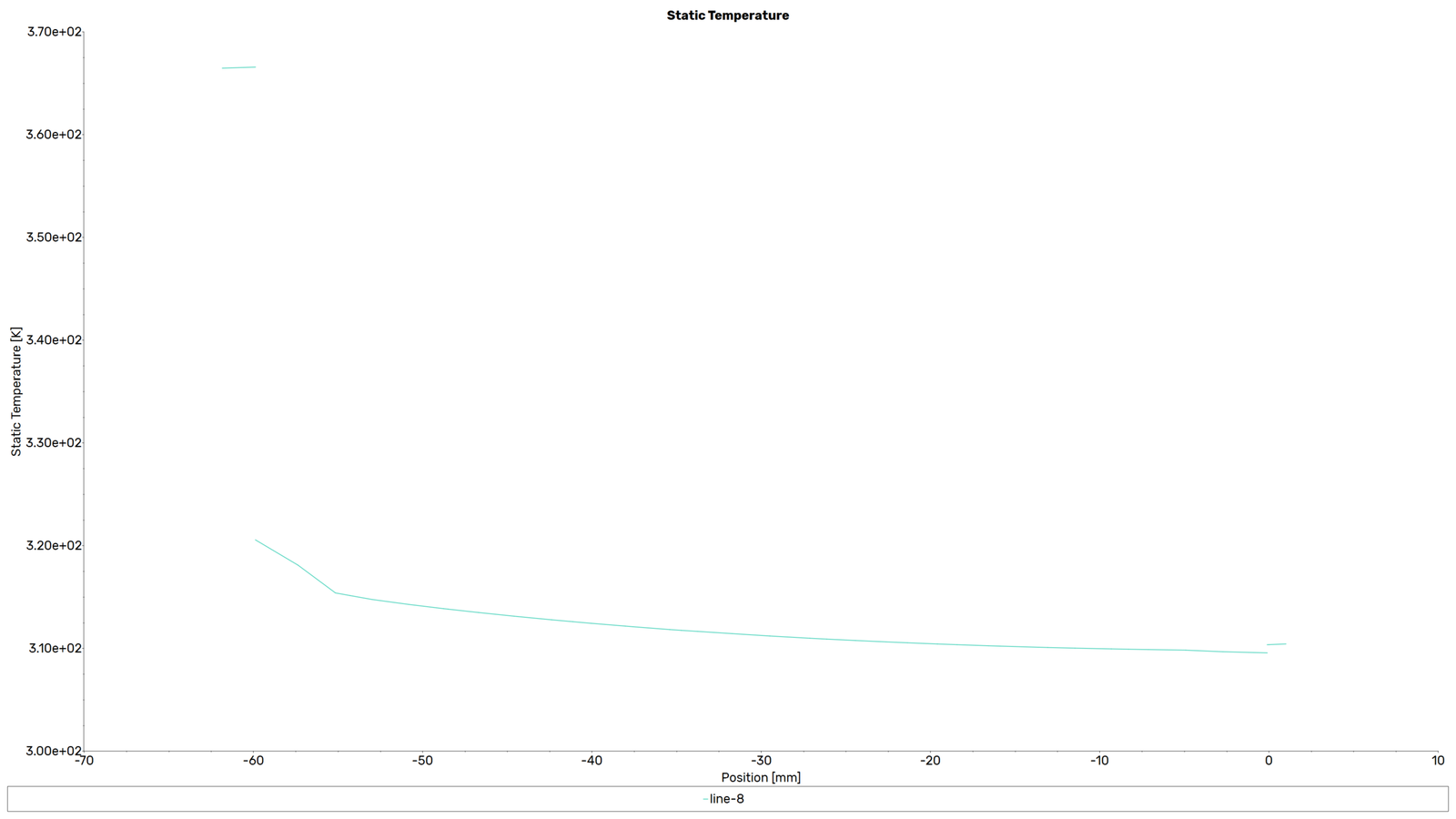
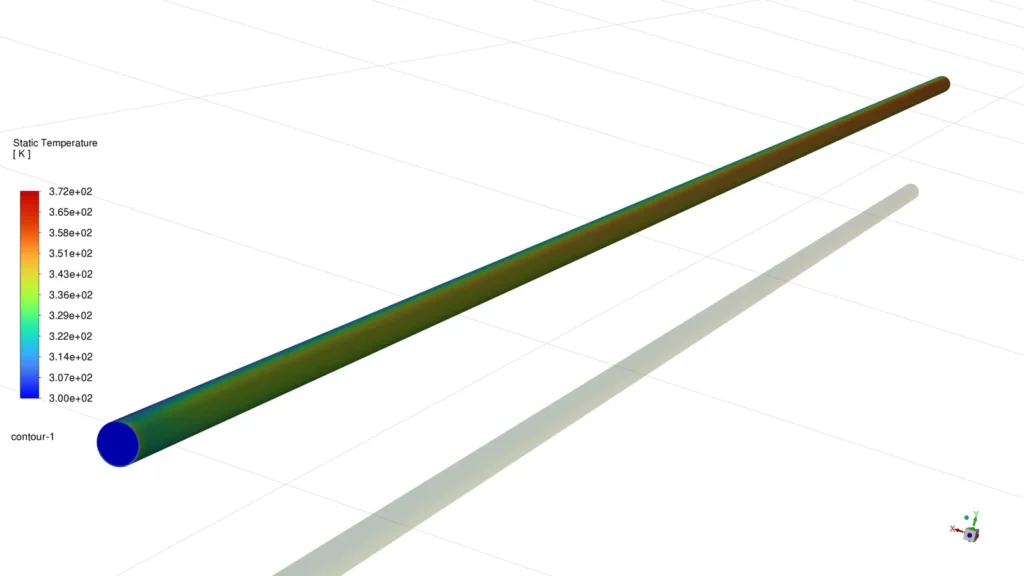
The simulation evaluated the thermal performance of the base receiver configuration while analyzing how heat transfer and fluid flow behave within the system.
Due to client confidentiality and intellectual property protection, only the base model results are publicly presented, while advanced design geometries remain proprietary.
The Solution
Through advanced CFD simulation, AWJ Engineering developed a detailed model of the parabolic trough receiver system.
The simulation provided insight into:
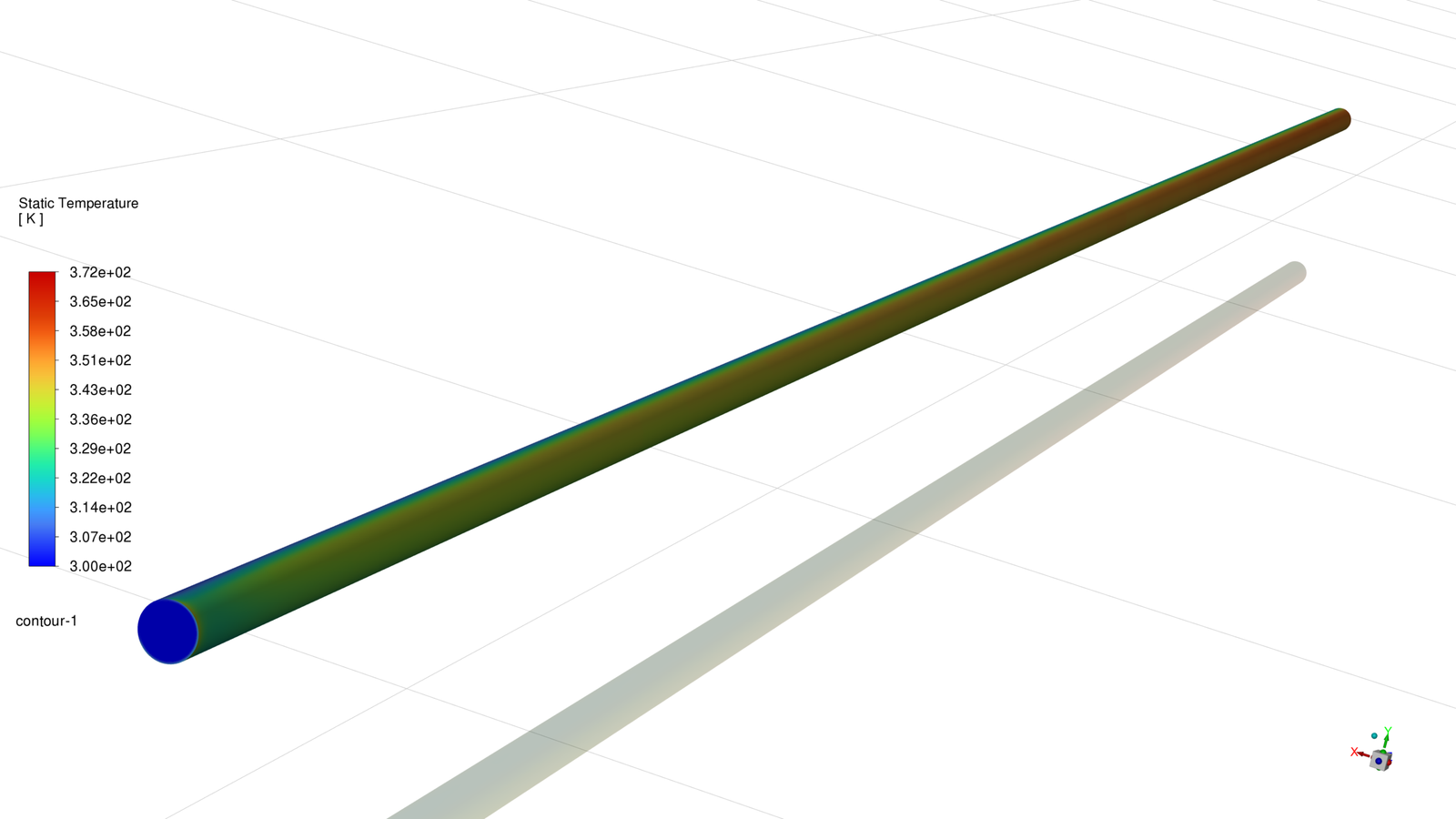
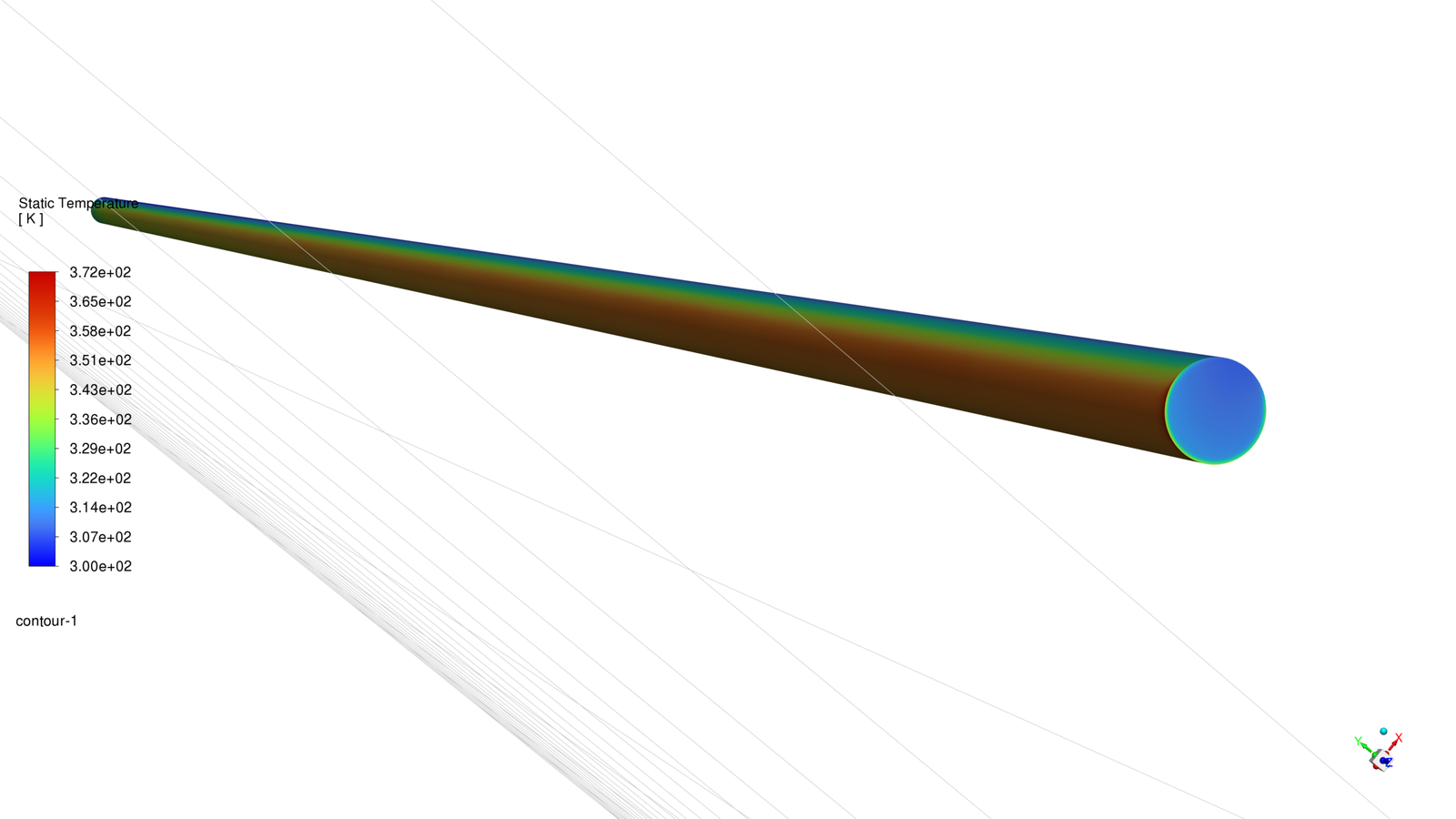
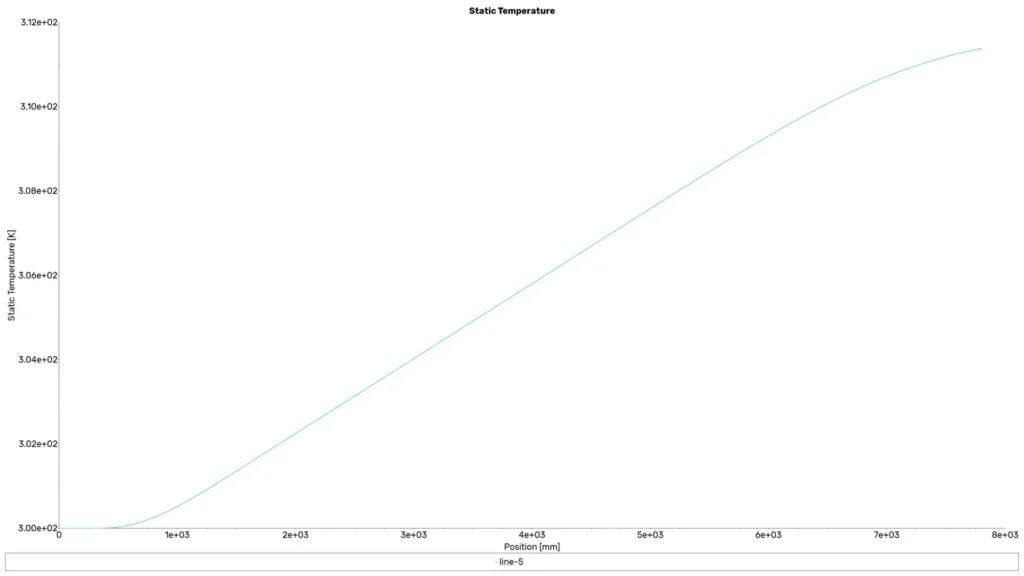
- temperature distribution within the receiver tube
- fluid flow patterns inside the collector
- thermal gradients along the receiver surface
- potential areas of heat loss within the system
The analysis demonstrated how receiver geometry and internal inserts can influence heat transfer efficiency and fluid mixing, both of which are critical factors in improving overall thermal performance.
These insights provided valuable guidance for optimizing receiver designs in future solar thermal systems.
Technologies Used
Design & Geometry Modeling
SolidWorks
Structural Preparation
ANSYS Mechanical
CFD Simulation
ANSYS Fluent
Physics Models Implemented
Energy Equation, k-epsilon turbulence model, viscous flow physics, Rhie-Chow momentum flux correction
Data Integration
Custom heat profile derived from optical-thermal analysis
Results & Business Impact
The project provided the client with important engineering insights into the thermal performance of parabolic trough collectors.
Key outcomes included:
- improved understanding of heat transfer behavior within the receiver tube
- identification of fluid flow patterns influencing thermal efficiency
- validation of simulation methodology for solar thermal systems
- evaluation of how internal inserts may enhance heat transfer performance
- reliable data to support future collector design optimization
These insights help energy technology developers improve solar thermal system efficiency, reliability, and energy output.
Key Takeaways
This project highlights AWJ Engineering’s ability to perform advanced Multiphysics simulations for renewable energy technologies.
By combining CFD modeling, thermal analysis, and realistic solar heat flux modeling, our team helps engineering organizations:
- optimize energy system performance
- reduce thermal losses in solar collectors
- validate innovative design concepts
- accelerate development of renewable energy technologies
Our simulation-driven engineering approach enables clients to explore performance improvements before costly physical testing or manufacturing begins.
Need Advanced Simulation for Renewable Energy Systems?
If you are developing solar thermal systems, energy equipment, or heat transfer technologies, AWJ Engineering can help you evaluate and optimize your designs.
Our team specializes in simulation-driven engineering that provides deep insights into thermal performance, fluid dynamics, and system efficiency.
Contact us today to discuss your project.
Related Projects
Hyperelastic Material Analysis of Thermoplastic Polyurethane
Evaluate deformation and stress behavior of Thermoplastic Polyurethane (TPU) under applied load.
Transient Fluid-Structure Interaction (FSI) in Collapsible Elastic Tube
Analyze how fluid flow interacts with the deformation of a thin-walled elastic tube.
Structural Integrity Analysis of Concrete - Steel Strut Joint
Validate structural stability of a concrete-steel strut joint without bolt reinforcement.
Membrane Dehumidification
Advanced membrane-based dehumidification system for efficient moisture control and energy optimization.

Reduced Order Modeling of Greenhouse Ventilation and Solar Power
Develop reduced-order models to analyze greenhouse ventilation efficiency and solar energy performance.

Transient Fluid–Structure Interaction (FSI) in Collapsible Elastic Tube
Study of transient fluid–structure interaction behavior in collapsible elastic tubes under dynamic flow conditions.