
Over 10 years we help companies reach their financial and branding goals. Engitech is a values-driven technology agency dedicated.

Gallery

Contacts

411 University St, Seattle, USA

engitech@oceanthemes.net

+1 -800-456-478-23

Reduced-Order Modeling of Greenhouse: Ventilation and Solar Power

Industry:

Sustainable Agriculture/ Renewable Energy Systems

Client Type:

Research organization focused on energy-efficient greenhouse systems

Service Provided:

Reduced-order modeling (ROM) and thermal-fluid simulation

Objective:

Improve computational efficiency while accurately modeling greenhouse airflow, ventilation, and heat transfer behavior

Engineering Tools:

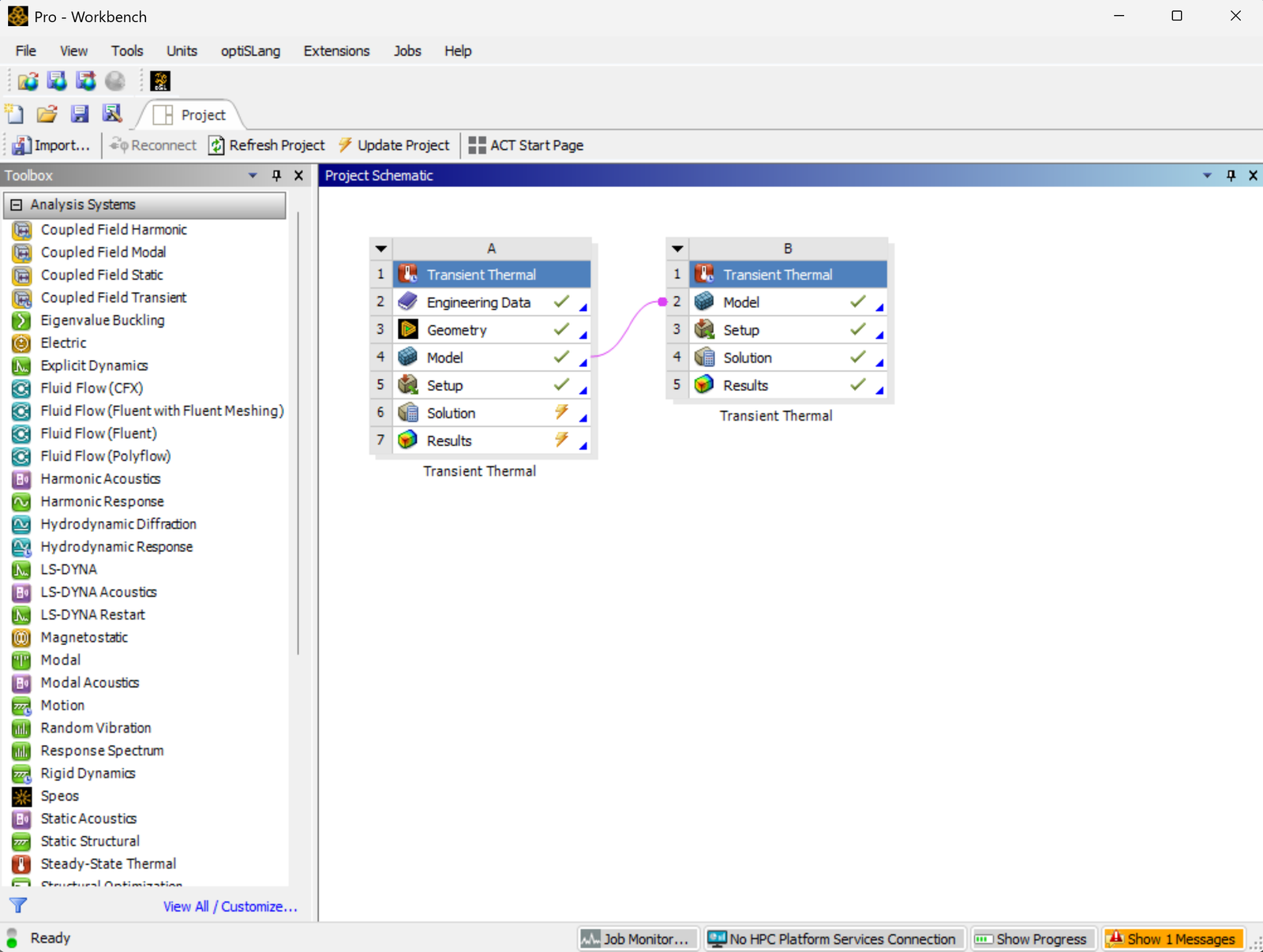
SOLIDWORKS, ANSYS simulation environment

Simulation Focus:

Transient turbulent airflow, ventilation efficiency, and thermal energy distribution

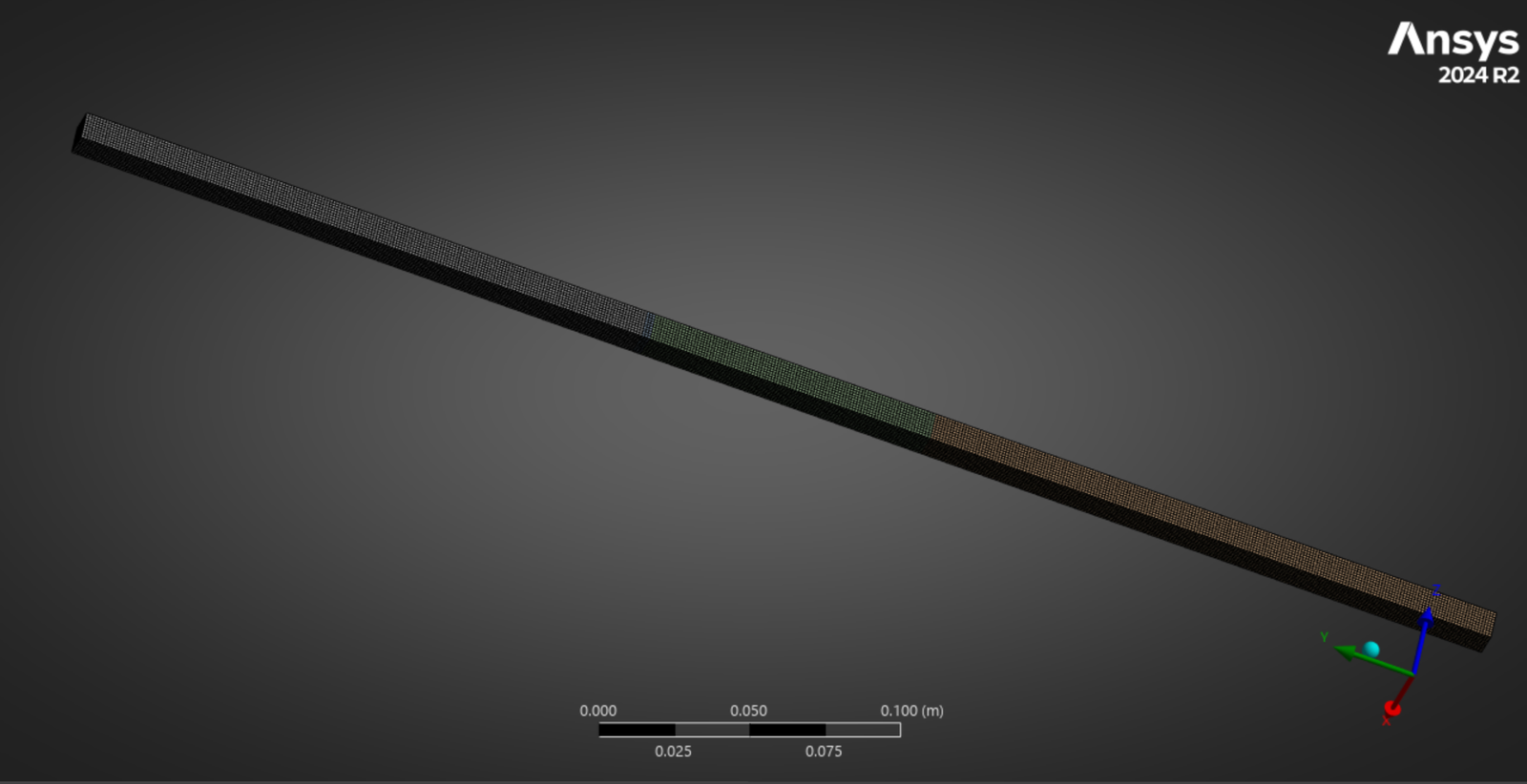
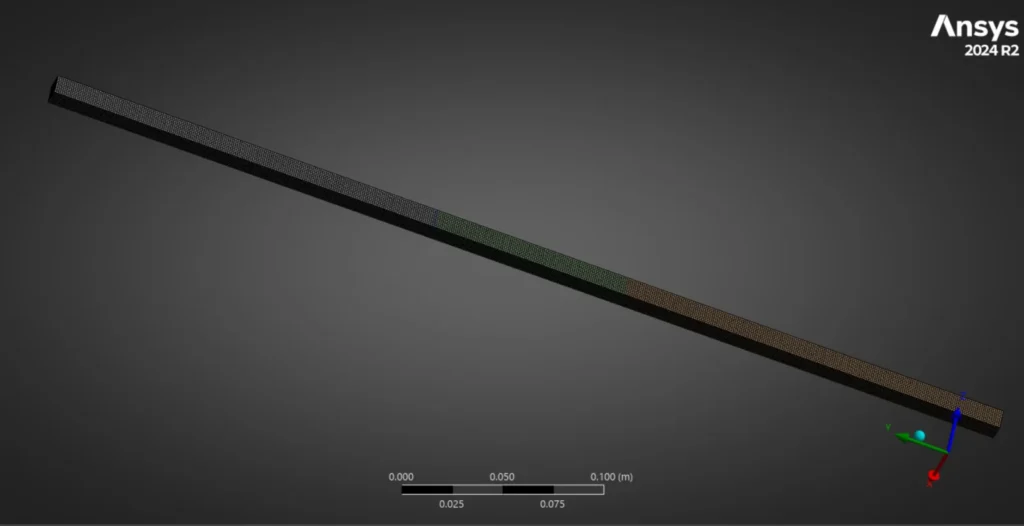
At AWJ Engineering, our team developed a reduced-order model (ROM) in SOLIDWORKS to optimize computational efficiency and resources. We designed a transparent greenhouse structure with end openings, ventilation fans, and underground floor heaters for bottom-up heat flux, then exported it to ANSYS for advanced simulation. Client-provided designs and parameters guided the process, enabling precise analysis of transient turbulent flow.

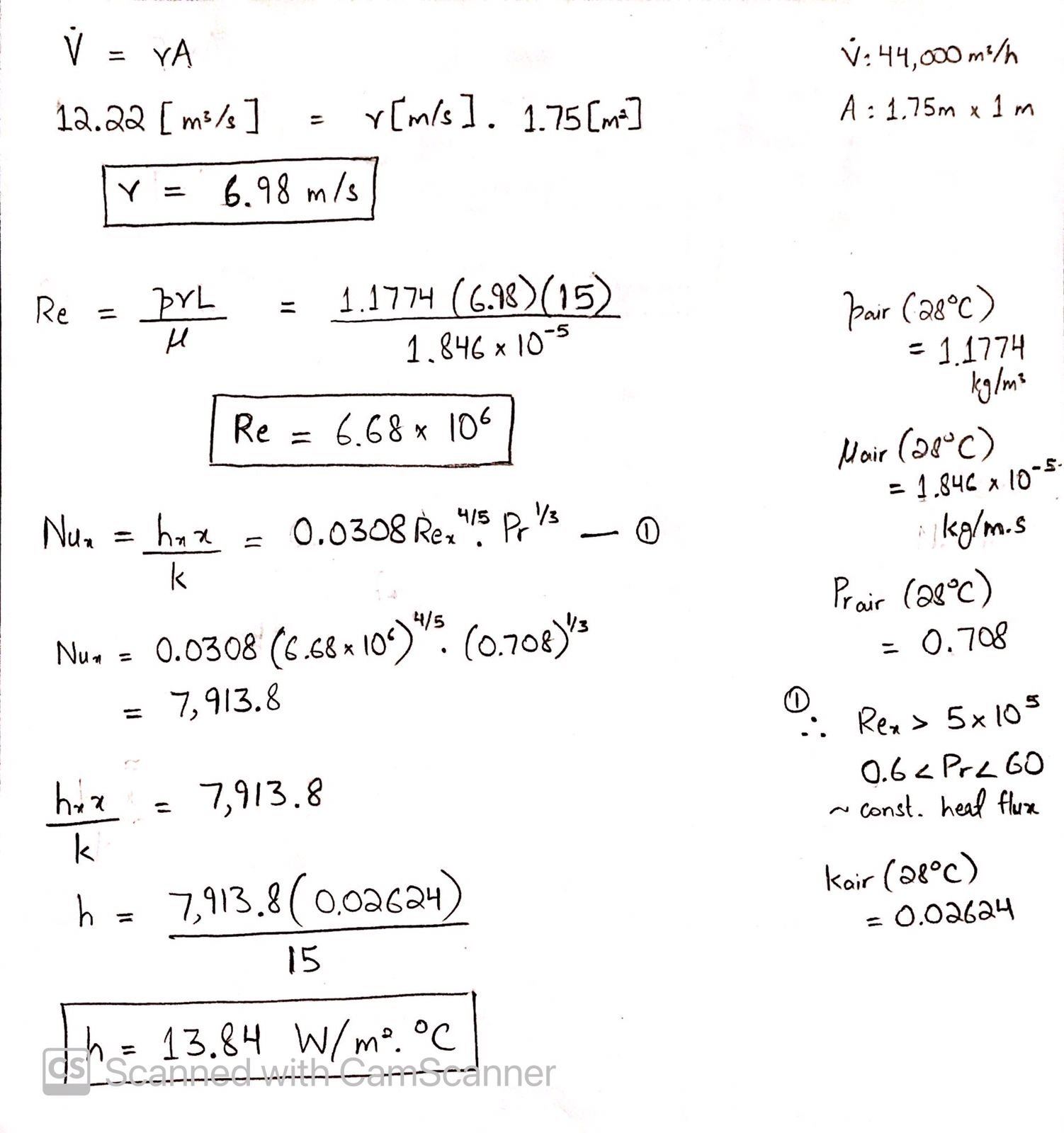
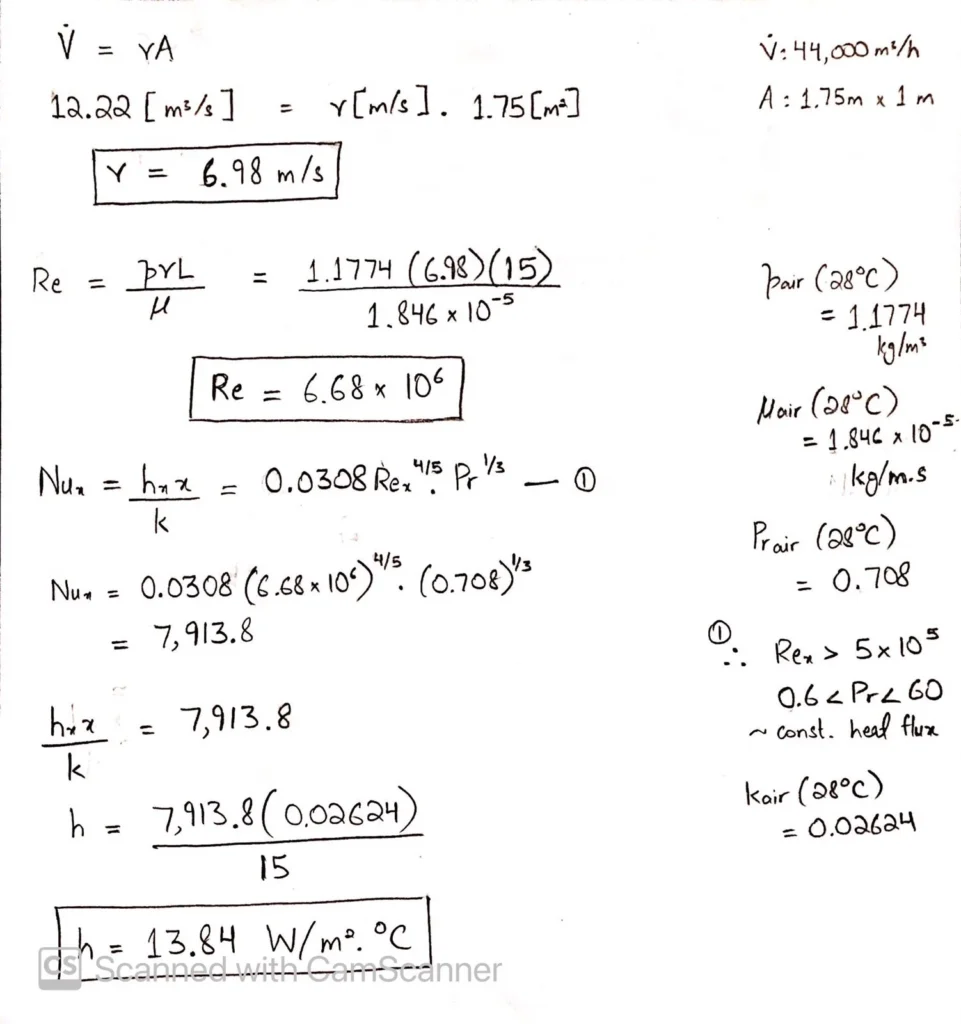
Convection coefficients were calculated using Nusselt number formulas, with Prandtl numbers assigned based on established literature for accurate heat transfer modeling.

This project showcases our ability to deliver efficient, simulation-driven solutions for sustainable energy applications.

Contact us today for more details on methodology, results, or similar analyses.

The Client

The client was developing a greenhouse system designed to support sustainable agricultural production through optimized ventilation and solar energy utilization.

Modern greenhouses rely heavily on carefully controlled environmental conditions to maintain plant health and productivity. Temperature, airflow, and heat distribution must be precisely balanced to create optimal growing environments while minimizing energy consumption.

To achieve this balance, the client required a simulation-based approach to evaluate how ventilation systems, solar heat gain, and internal heating mechanisms interact within the greenhouse structure.

However, full-scale computational models for such systems can be extremely resource-intensive, often requiring significant processing time and computational power.

The client therefore sought a solution that could provide accurate physical insights while maintaining computational efficiency.

The Challenge

Simulating greenhouse environments presents several engineering complexities.

Key challenges included:

  • modeling turbulent airflow within a confined structure
  • capturing the interaction between ventilation systems and internal heat sources
  • accurately representing heat transfer through convection and solar radiation
  • maintaining computational efficiency for large-scale transient simulations

Traditional high-fidelity simulations can require extremely dense computational meshes and long simulation times, which makes iterative design evaluation slow and expensive.

The client needed a modeling strategy that could reduce computational complexity without sacrificing simulation accuracy.